
Reading time: 6 minutes
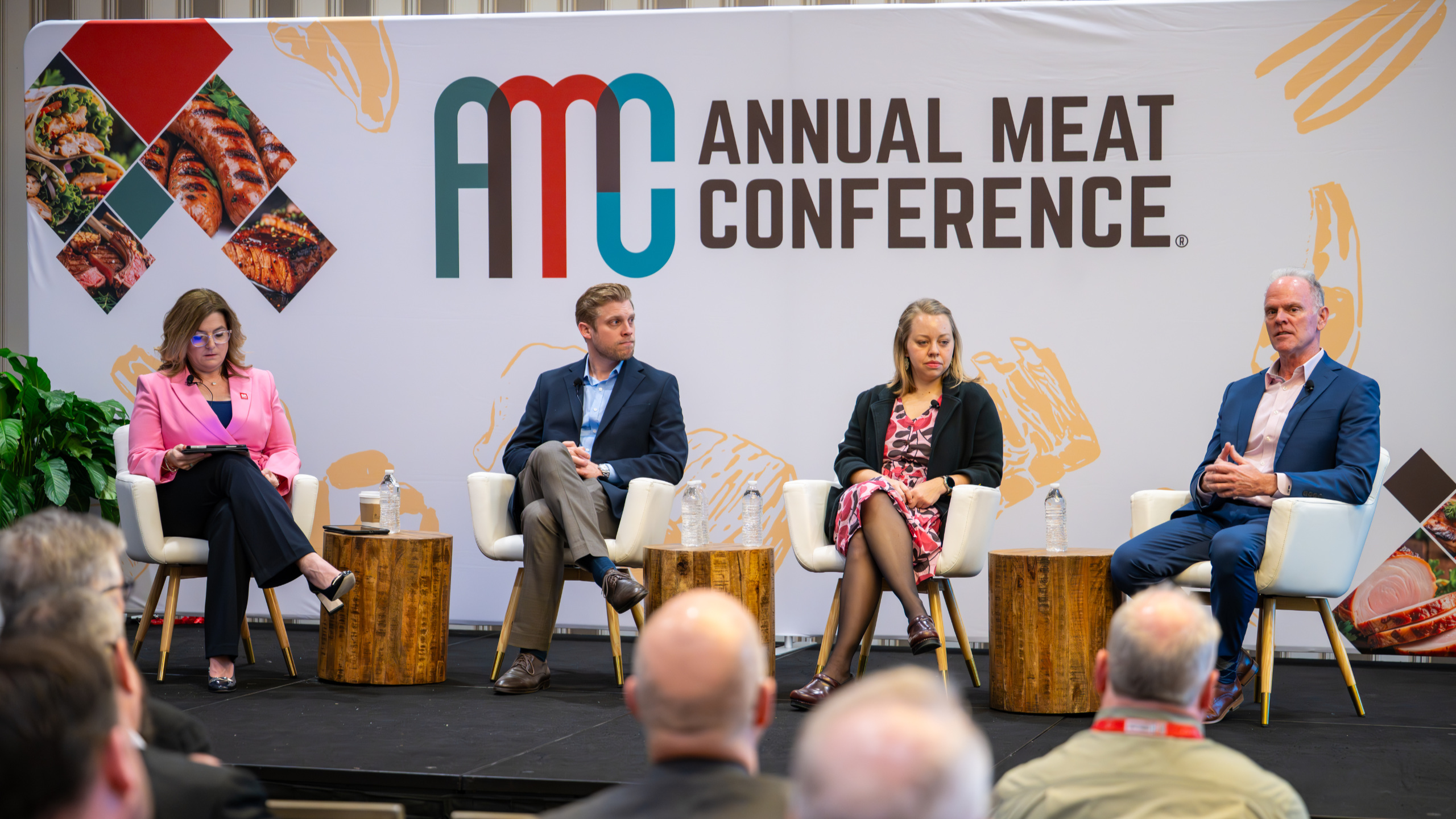
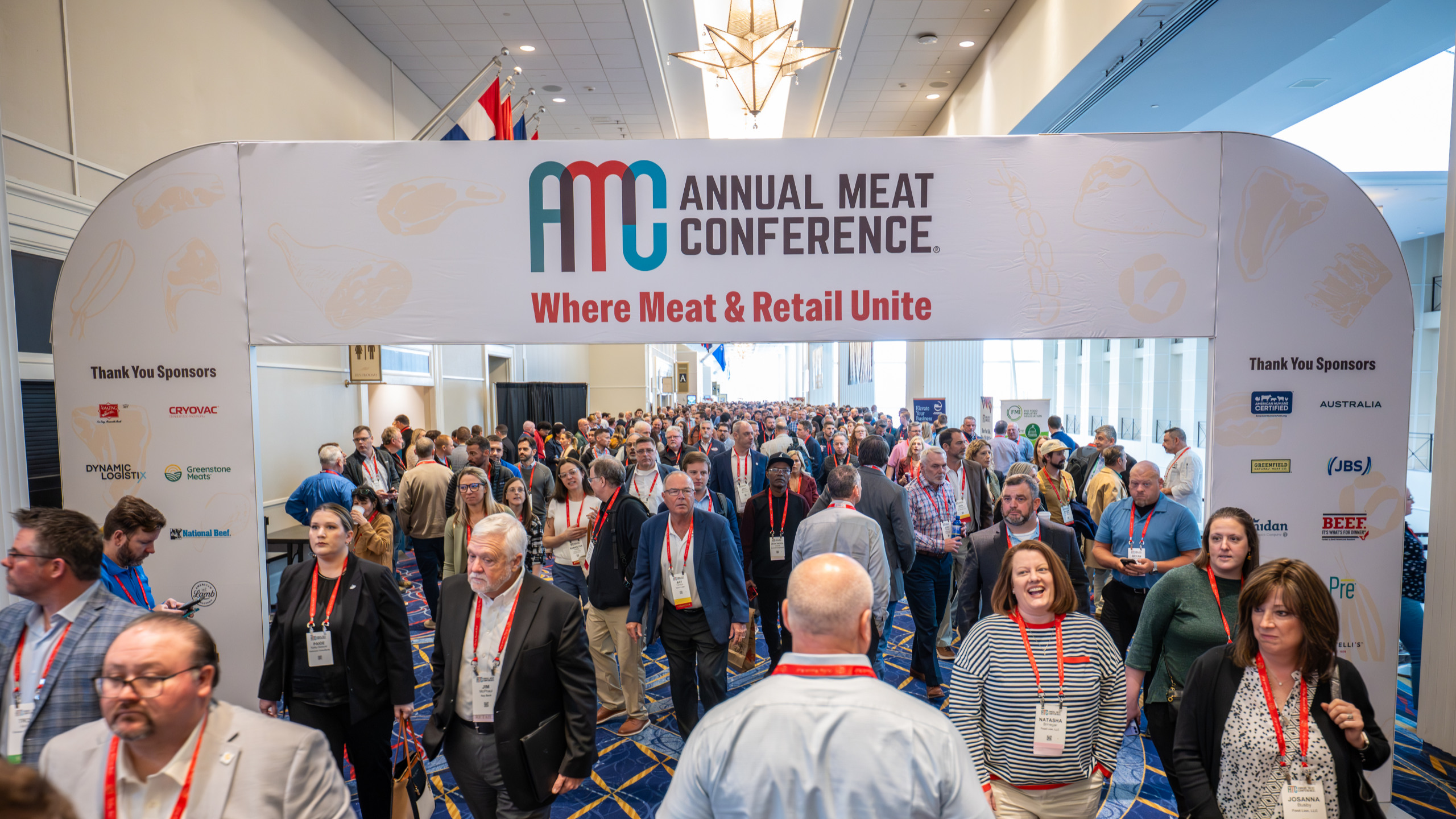
From 2 to 4 March 2026, the Gaylord National Resort & Convention Center in Oxon Hill, Maryland, hosted the Annual Meat Conference (AMC), organized by the Meat Institute and FMI – The Food Industry Association.
Thousands of C-level executives, directors, retailers, wholesalers, supermarket buyers, restaurateurs and foodservice professionals gathered to exchange insights on consumer trends, supply-chain innovation and the future of the animal protein sector.
Over three days, the program featured presentations, panel discussions and a bustling exhibition hall, where industry leaders explored the forces shaping the sector, from changing consumer behavior to evolving nutrition trends.
Leadership perspectives on the role of meat in American diets
The conference opened with remarks from Julie Anna Potts, CEO of the Meat Institute, and Leslie Sarasin, CEO of FMI - The Food Industry Association, who underscored the central role of the meat industry in the U.S. economy and food system.
“Almost all American families rely on the meat industry for healthy products,” Potts said, highlighting its relevance not only in food production but also in supporting communities nationwide. Sarasin emphasized food’s broader societal role as a unifying force. “Food is the great magnet,” she noted. “Our industry is about bringing people together.” Their comments set the tone for a conference focused on both economic impact and cultural relevance.
The event’s special guest, U.S. Health and Human Services Secretary Robert F. Kennedy Jr., outlined initiatives related to national nutrition policy, including efforts to revise federal dietary guidelines.
Speaking about his role in the administration of President Donald Trump, Kennedy said a new group of experts has been tasked with simplifying the guidelines. “We added more protein sources,” he said. “We brought in the best nutritionists in the country to bring the dietary guidelines down to under ten pages.”
Kennedy acknowledged ongoing debates around processed meats and foods high in nitrates, salt, and saturated fats, but emphasized the importance of protein in American diets. “We want Americans to eat more protein because it provides a higher complement of amino acids,” he said. “We’re doing our best to make sure protein is available to every American family.”
He also spoke at length about the relationship between diet and public health, arguing that nutrition plays a central role in addressing many chronic conditions. “Food is medicine,” Kennedy said. “It has the capacity to restore our health.”
Meat category continues to outperform retail sectors
One of the most data-driven sessions of the conference was the annual consumer trends presentation by AnneMarie Roerink, principal at 210 Analytics. Her report, The Power of Meat, provided a detailed overview of purchasing and consumption patterns in the U.S.
One of the most data-driven sessions of the conference was the annual consumer trends presentation by AnneMarie Roerink, principal at 210 Analytics. Her report, The Power of Meat, provided a detailed overview of purchasing and consumption patterns in the U.S.
Taking the stage, Roerink guided the audience through the latest data shaping the U.S. protein market. Her findings showed that the meat department continued to show resilience and growth in 2025.
“Meat is on the rise, up 2 % in volume, and no other department grew more than meat,” she said, noting that animal protein remained a strong performer throughout the year. Overall, meat sales reached approximately $112 billion. At the same time, the plant based protein category continued to contract, with the number of brands declining from 14 in 2021 to nine by 2025.
Within the meat sector itself, beef stood out as the primary driver of growth. Roerink explained that this trend is largely fueled by younger consumers who are increasingly incorporating beef into their meals. “More American households are eating beef,” she said, adding that the strongest growth comes from Generation Z and Millennial consumers.
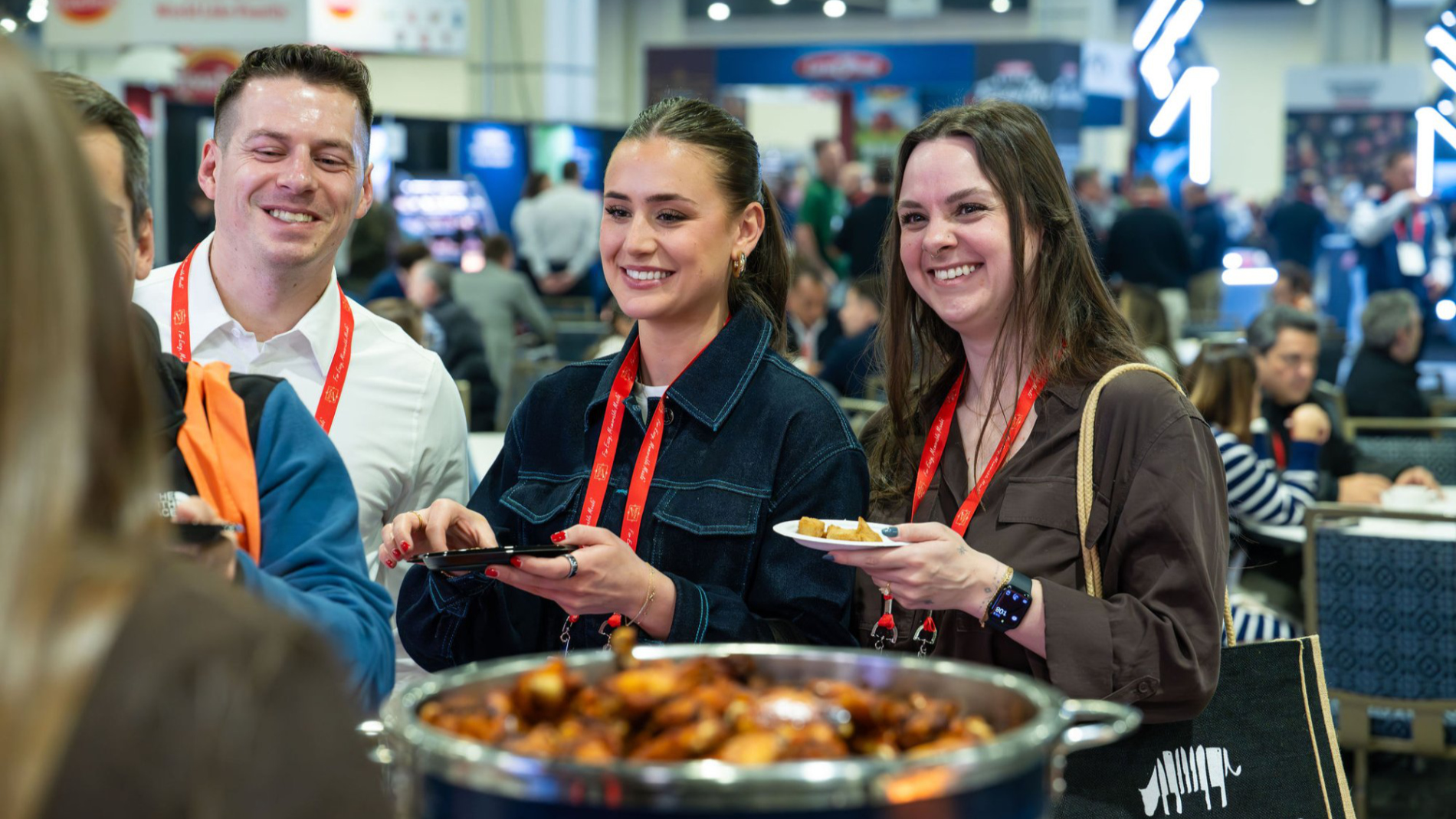
Processed meats also continue to attract interest, particularly among younger buyers eager to experiment with new products. According to Roerink’s data, 45 % of Millennials say they enjoy trying different types of meat, including organic or grass-fed varieties. Among Baby Boomers, that figure stands at 19 %.
“It shows that we will be facing a different world in the next decade,” she said, suggesting that generational shifts will increasingly influence how meat products are developed and marketed.
Another notable trend, she explained, is the growing role of meat in snack and breakfast categories. Younger consumers are increasingly incorporating protein into quick and convenient meals, prompting the emergence of products such as chicken snack cups and breakfast burritos.
Roerink also encouraged companies to think creatively about marketing opportunities tied to major upcoming events including the FIFA World Cup, the Olympic Games and the 250th anniversary of U.S. independence in 2026. “People are more inclined to buy products that are limited time offers or that feature new flavors,” she said.
Despite broader economic uncertainty, Roerink emphasized that consumers continue to prioritize protein purchases when shopping. “We’re seeing the recalibration of spending,” she noted. “Consumers are not walking away from the meat department.”
Technology, she added, is also beginning to play a larger role in how people decide what to cook and eat. Younger consumers frequently turn to online platforms for inspiration when planning meals. “Young consumers find inspiration in Google, social media and ChatGPT,” she said. “AI will help decide what’s on the dinner plate.”
Despite the growing influence of technology and changing consumer habits, Roerink concluded that one factor remains constant: flavor.
“Do not underestimate taste,” she said. “People will not eat insects just for the sake of the environment.”
Innovation across products, packaging and supply chains
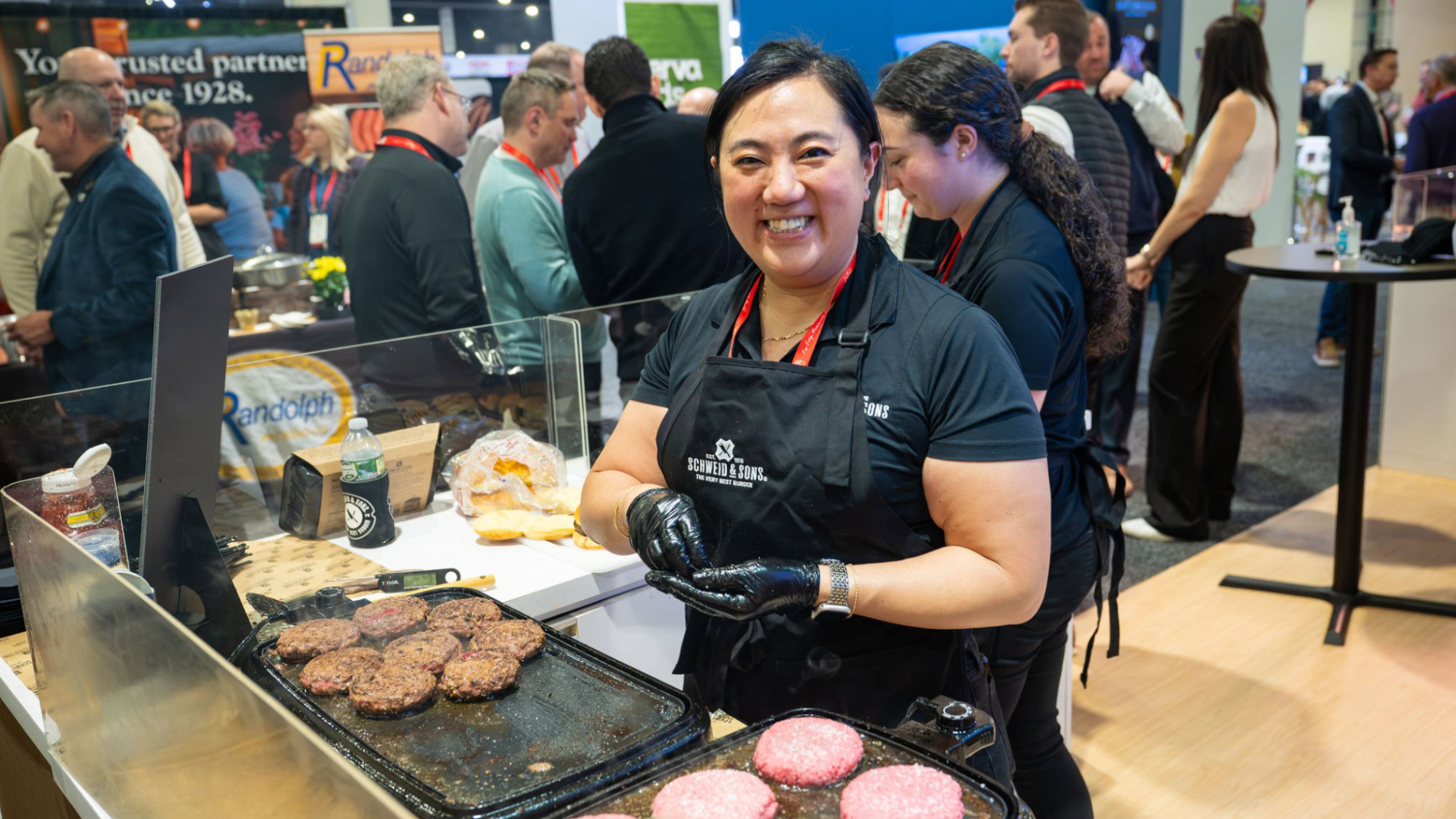
On 3 March 2026 at 11:45, attendees gathered for one of the most dynamic parts of the conference: the AMC exhibition. The hall brought together leading producers of beef, poultry, and pork, alongside companies specializing in value-added and niche products such as bison and duck.
Items including hot dogs, meatballs, and beef jerky showcased opportunities for differentiation through premium ingredients, health-focused formulations, and convenience-driven formats.
Beyond product sampling, technology played a central role throughout the exhibition and it functioned as a real-time marketplace where decision-makers evaluated innovations and operational strategies.
On 3 March 2026 at 11:45, attendees gathered for one of the most dynamic parts of the conference: the AMC exhibition. The hall brought together leading producers of beef, poultry, and pork, alongside companies specializing in value-added and niche products such as bison and duck.
Items including hot dogs, meatballs, and beef jerky showcased opportunities for differentiation through premium ingredients, health-focused formulations, and convenience-driven formats. Beyond product sampling, technology played a central role throughout the exhibition and it functioned as a real-time marketplace where decision-makers evaluated innovations and operational strategies.
Attendees explored how companies are integrating advancements in production, packaging, and distribution to meet evolving demand and drive business growth. Automated portioning systems, smart packaging and traceability solutions demonstrated how companies are improving efficiency, reducing waste, and strengthening regulatory compliance.
Supply chain innovation also stood out as a key theme. Refrigeration and cold storage providers showcased solutions that streamline distribution from processor to retailer, enabling consistent product quality and reducing energy consumption and operational costs.
Meanwhile, ingredient and seasoning companies highlighted global flavor trends and opportunities to tailor products for multicultural markets across retail, foodservice, and e-commerce.
Sustainability was increasingly embedded across the innovations.
Biodegradable packaging, reduced-carbon logistics solutions and energy-efficient processing equipment signaled a growing industry shift that has both operational and marketing implications. For buyers and distributors, these developments offer tangible ways to differentiate brands, meet regulatory expectations, and appeal to more environmentally conscious consumers.
Overall, the exhibition provided a high-impact platform for executives, product managers, and supply chain leaders to explore actionable insights across product development, packaging, distribution, and market positioning.
A sector adapting to changing expectations
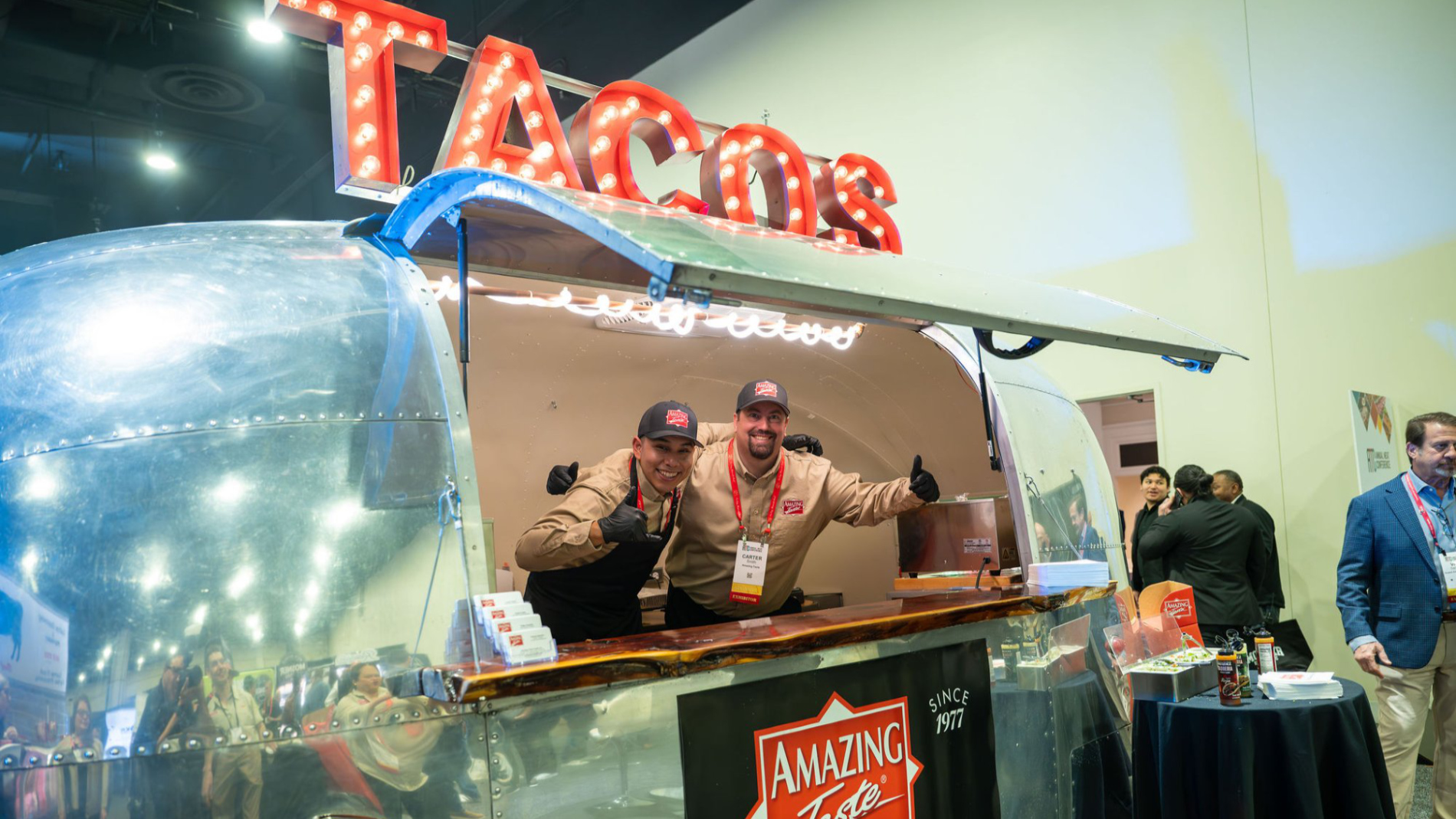
The Annual Meat Conference highlighted an industry that remains strong but is undergoing significant transformation.
Consumer demand, particularly among younger generations, continues to drive growth, while innovation in products, technology and supply chains is reshaping how meat is produced, marketed and consumed.
As the industry looks ahead, companies will need to balance tradition with evolving expectations around health, convenience and sustainability. The insights shared at this year’s conference suggest that those able to adapt quickly to these shifts will be best positioned for long-term success.
All images: FMI - The Food Industry Association