Product protection is a key factor for sustainability because it reduces food waste. In this interview, Mara Strenger and Alina Siebler from the Sustainable Packaging Institute (SPI) at Albstadt-Sigmaringen University discuss the conflicting objectives for meat packaging and highlight areas where improvements can be made.
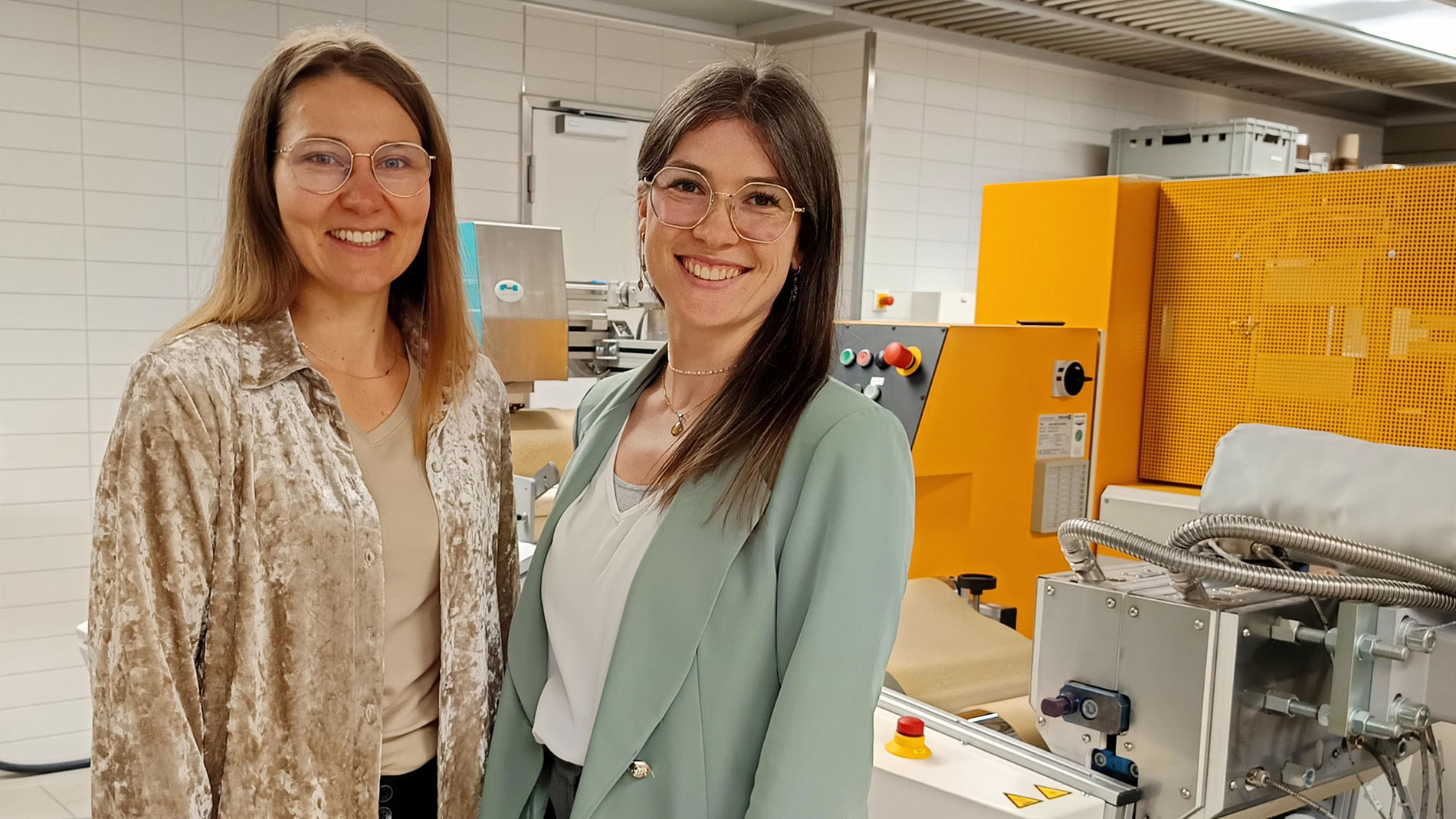
From left: Mara Strenger, head of the Sustainable Packaging Concepts research group and deputy director of the institute, and Alina Siebler, research assistant. They both work at the Sustainable Packaging Institute (SPI) at the University of Applied Sciences in Sigmaringen-Abstatt
What specific challenges do meat product manufacturers face with regard to packaging?
Mara Strenger: Meat is a delicate product because it is highly perishable. Along with process hygiene, packaging plays a fundamental role in protecting the product. Many refrigerated meat products have a use-by date rather than a best-before date. Fresh meat products are sensitive to UV light, so require packaging with a UV filter that can maintain an oxygen content of around 70–80% to preserve the meat’s red colour. This requires modified atmosphere packaging (MAP), where the air is replaced with a protective gas mixture.
For cured sausage products, however, the oxygen content in the packaging should ideally be less than one percent. Additionally, cured sausage products need to be protected from visible light but not UV light. These requirements can be met by using MAP packaging with the appropriate barriers and properties.
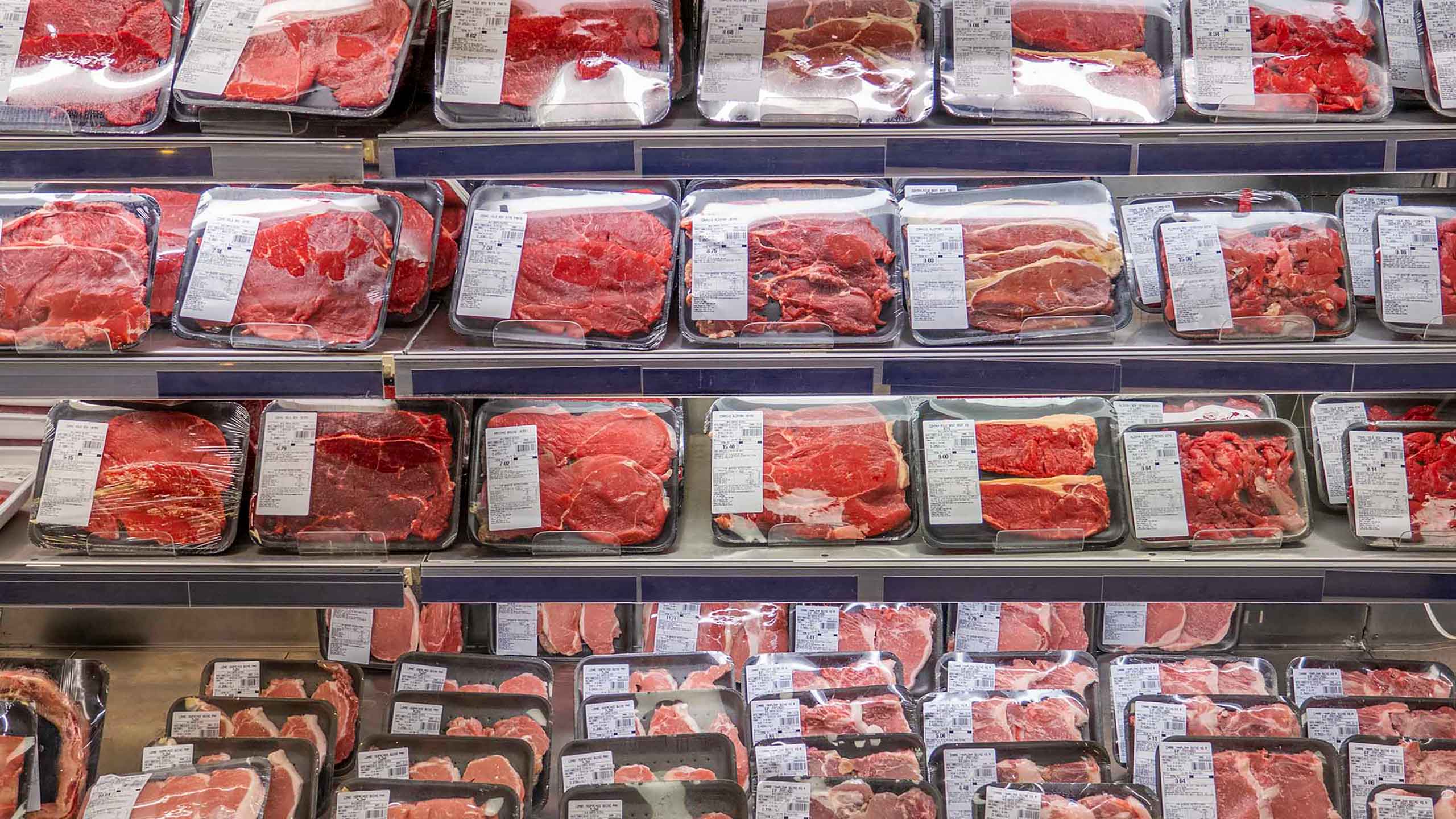
Meat products are typically packaged in thermoformed trays. Picture: alle12
What are some novel packaging concepts?
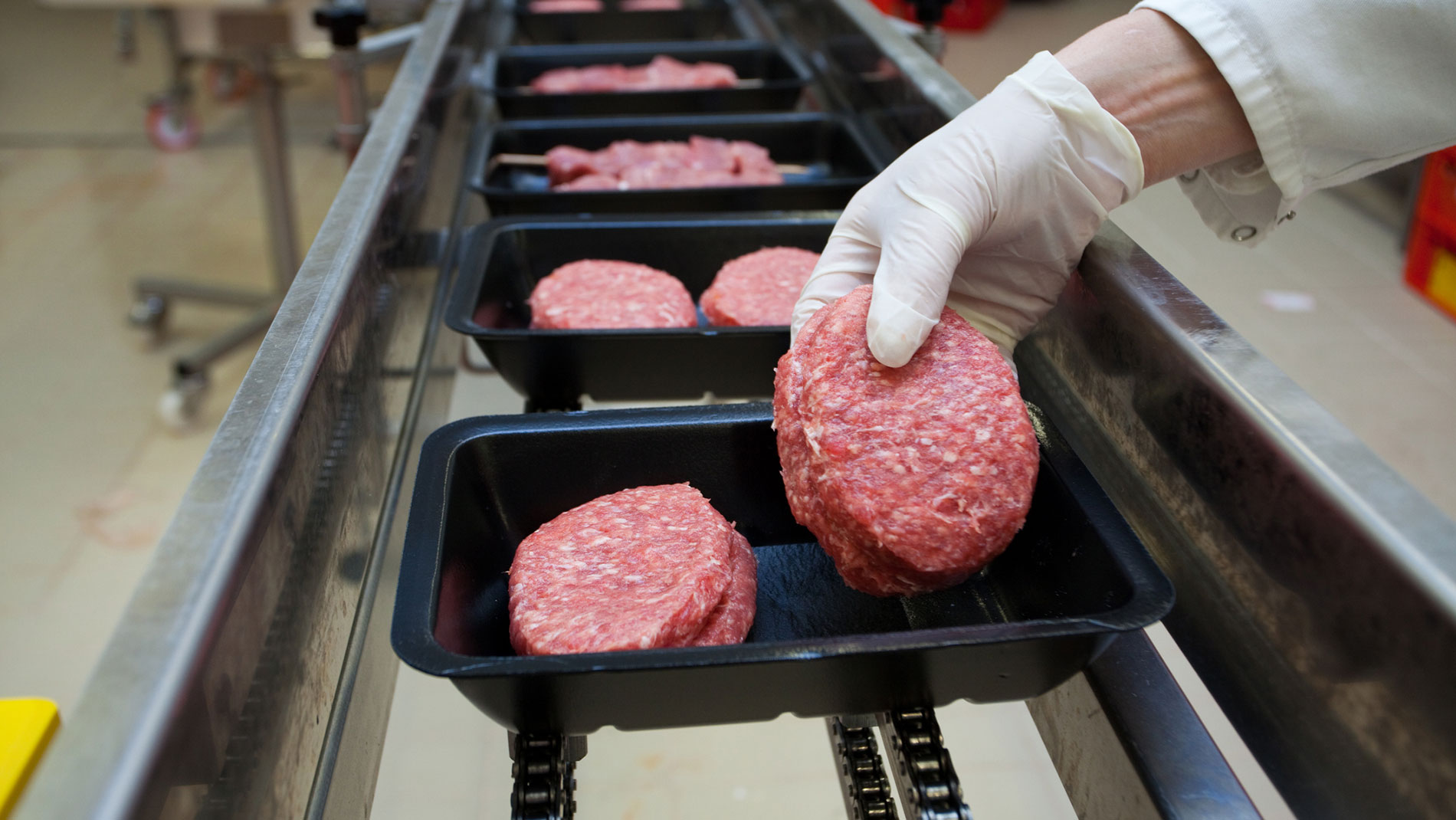
Mara Strenger: Tubular bag packaging, also known as flow packs, is a relatively new concept in supermarkets. Flow packs are used for products such as minced meat and are made of flexible plastic film. Traditionally, meat products are usually packaged in thermoformed trays of varying depths, depending on the product. Although the thermoformed part, which is sealed with a sealing film, provides adequate protection for the product, it requires more material than flow packs due to the thermoforming process. This is because the plastic film needs to be a certain thickness in order to be thermoformed.
Does this mean that flow packs can do without the tray and so use less material overall?
Mara Strenger: Yes, the plastic film itself acts as the packaging, meaning that a tray is no longer necessary. However, while the product is just as protected, the presentation changes: the tray allows you to neatly arrange everything, whereas with a flow pack, the position of the product can change more easily. Trays usually have an absorbent pad to soak up any meat juices that escape, and flow packs do not have this feature. So if the product comes into contact with the plastic film during transport or when it’s stocked at the supermarket, this can mean it may not look quite as appetising.
“For most products, around 99 per cent of greenhouse gas emissions are generated during manufacturing, not during packaging.”
Packaging is considered a factor with some leverage in reducing CO₂ emissions. But how much actual leverage is there for meat product packaging?
Alina Siebler: When it comes to CO₂ emissions, the decisive factor is not so much the packaging material or quantity, but rather the protective function of the packaging – that it can preserve the quality of meat and sausage products for as long as possible.
For most products, around 99 per cent of greenhouse gas emissions are generated during the manufacturing process, not during packaging. Cutting corners when it comes to packaging means jeopardising product protection. This is a different matter with fruit and vegetables. Here, packaging may account for up to 10 per cent of greenhouse gas emissions. If you want to assess the sustainability of food packaging effectively, you must look at the interaction between packaging and food; otherwise, you risk creating a false impression.
The EU Packaging Regulation (PPWR) sets out two key targets: a 15 per cent reduction in packaging waste by 2040, and the full recyclability of all packaging by 2030. Are those targets reasonable and achievable?
Alina Siebler: The guidelines apply to all materials. In terms of weight, replacing heavy glass or metal packaging with lighter plastic alternatives could help achieve the reduction targets. However, you have to ensure that the plastic is suitable for food contact. In terms of recyclability, glass and metal perform significantly better than multi-layer composite packaging. Food packaging has already been greatly optimised in recent years, leaving fairly little room for improvement. Multi-layer packaging has dominated the meat and sausage products sector to date, because it was functionally necessary. But as it is difficult to recycle, the trend is moving towards mono-materials.
In answer to the question of whether the waste reduction and recyclability targets are appropriate and achievable: it definitely makes sense to make packaging more recyclable and reduce the amount of material used – always provided that product protection is guaranteed.
However, if you replace non-recyclable, highly efficient multi-layer composites with mono-materials, you often need thicker layers to achieve the same functionality. This means that while you’re making packaging more recyclable, you’re not actually reducing the total amount. Navigating these different goals is really not a trivial matter.
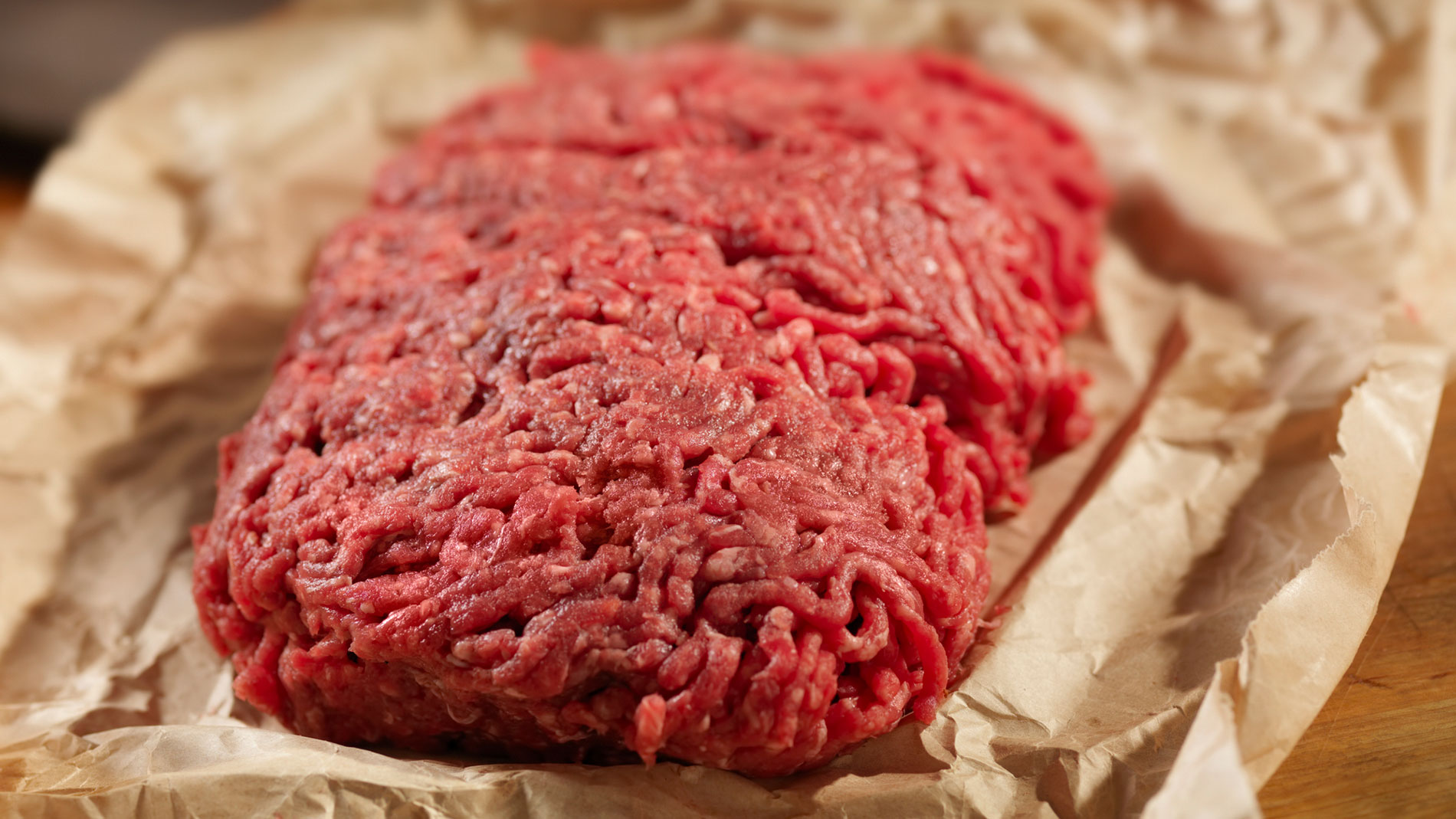
Minced meat wrapped in service paper. Picture: LauriPatterson
Sausages and other meat products that are wrapped in paper are perceived ‘sold without packaging’ and are seen as ‘fresher’. But how does the ecological balance of this paper compare to that of vacuum skin packaging?
Mara Strenger: This paper is also packaging, even though customers often don’t perceive it as such. What is more, service paper simply cannot maintain an oxygen content of 70 to 80 per cent, which is required for storing red fresh meat, for example. If left in the paper in the refrigerator, the meat turns grey after a while and looks unappetising, even if it is still microbiologically safe. If you look at it in terms of the ecological balance, additional outer packaging could be offset by the product having a longer shelf life.
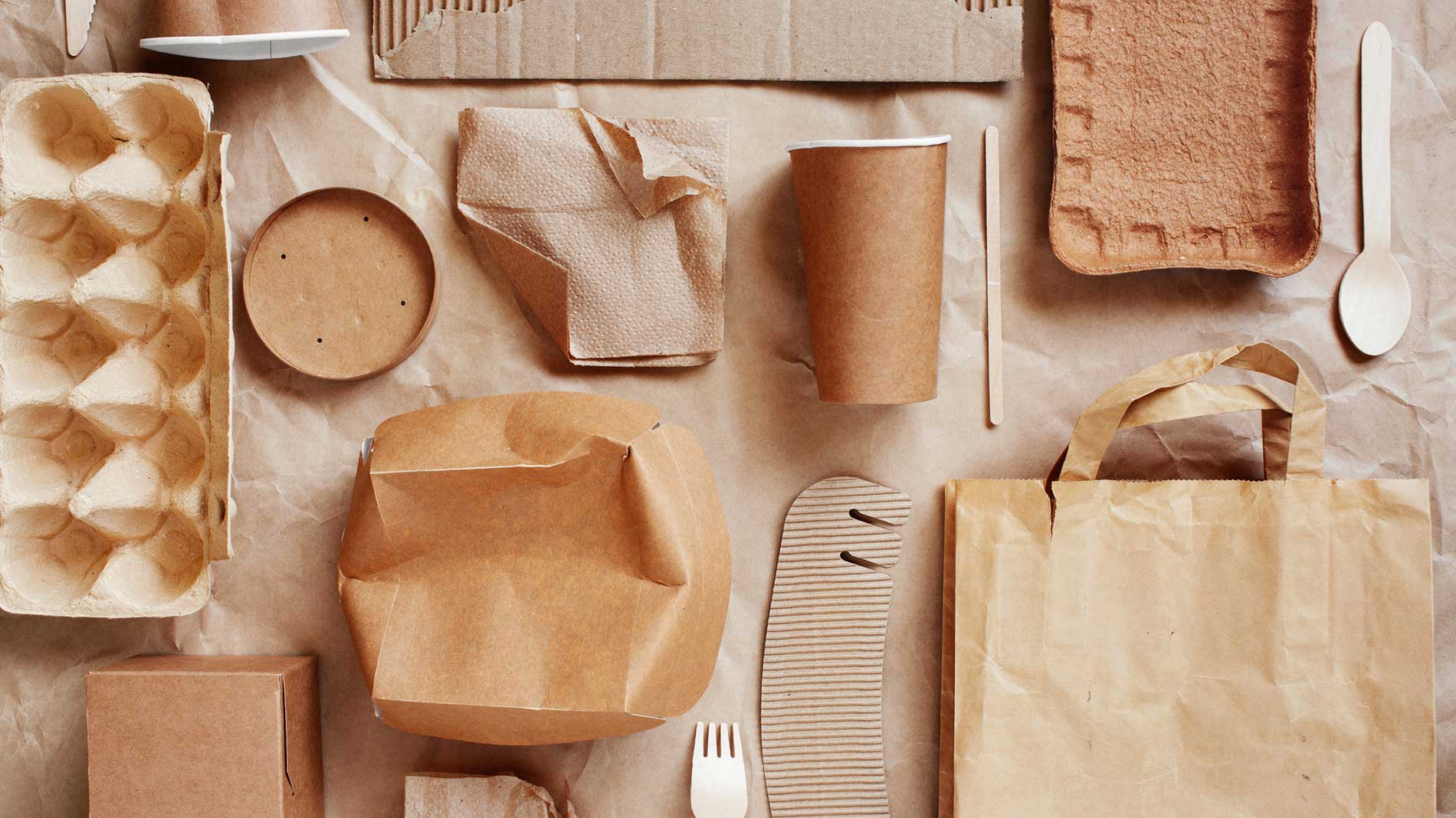
Paperisation involves replacing plastic packaging with paper, cardboard and paperboard. Picture: Alinakho
There is plenty of research and ideas for more sustainable packaging, but to what extent are retailers and consumers doing their part?
Mara Strenger: Retailers often set the standards while also trying to accommodate consumers. One current trend is ‘paperisation’ – the replacement of plastic packaging with paper, cardboard, and cartons. However, without functionalisation, paper does not offer the necessary protection for sensitive products. There are fibre-moulded trays on the market that have been functionalised or are used as multi-layer composite packaging. There are recycling instructions on the packaging that explain how to separate and dispose of these layers of material. However, many consumers do not actually separate the materials, which means that the whole thing is pointless from a recycling perspective, especially if you compare this to an all-plastic flow pack where up to 70 per cent of material can be saved. But it’s doubtful that consumers perceive this packaging concept as more sustainable.
Large retail chains are often criticised for generating too much packaging waste, for example by Deutsche Umwelthilfe (German Environmental Aid). What’s your take on this?
Alina Siebler: I think retail chains are under pressure from all sides and are trying to do their best. Consumers are demanding more sustainable packaging, although their perception of what is sustainable often differs significantly from scientific findings. For instance, retailers are reducing their use of plastic by removing lids from yoghurt and cream cheese pots. However, this increases the risk of damage to the yoghurt’s lid film. This often means the entire pot has to be thrown out, both in shops and at home.
Mara Strenger: According to the PPWR regulation, over-packaging – that is to say, packaging that results in empty space within a product – should also be avoided. However, this is sometimes unavoidable for technical reasons with bulk products such as cornflakes. I would hesitate to say that excessive packaging is the fault of large food retailers.
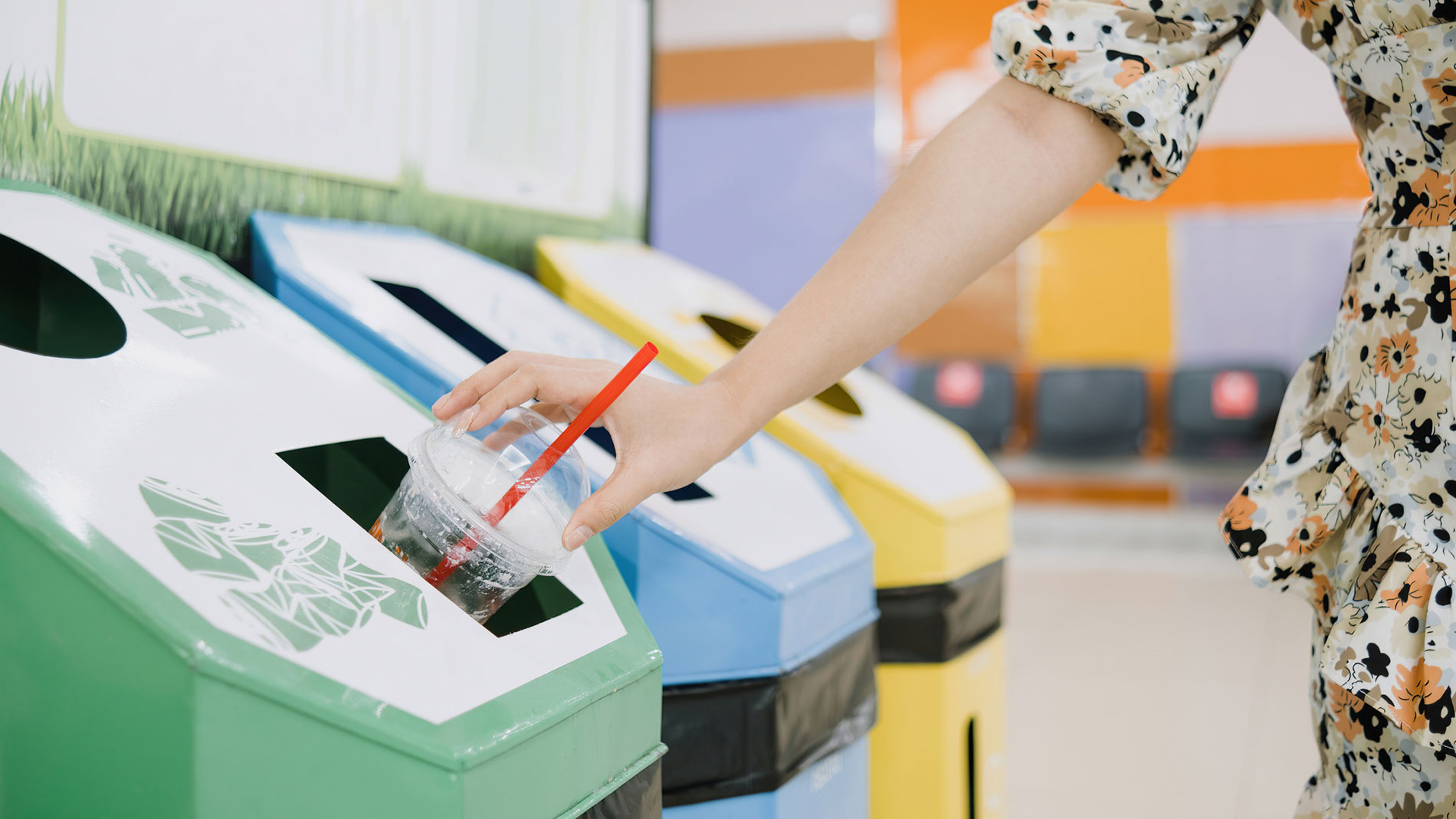
Picture: somboon kaeoboonsong
What are the current and future trends in the use of plastic packaging?
Mara Strenger: The trend continues to move – partly due to the PPWR regulation and its focus on recyclability – towards monomaterial packaging. Under this regulation, packaging must consist of at least 95 per cent of one material.
However, the challenge is that the PPWR recycling criteria have not yet been published in full, leaving the industry in limbo. Furthermore, from 2035 onwards, all packaging must be recyclable ‘on a large scale’. Currently, this only applies to certain packaging materials – those for which we already have the necessary recycling infrastructure. This is why there is such a strong trend towards monomaterials, as many believe this to be the safest option until the criteria have been specified in detail.
In what ways can automation in the packaging sector contribute to greater sustainability?
Alina Siebler: Automation is currently closely linked to the use of AI, and there is indeed great potential here for making packaging more sustainable. AI models can predict the properties of materials during the selection process and indicate whether further development is worthwhile. AI can also be used for process monitoring, maintenance and sorting during the recycling process, saving energy and improving the quality of recycled materials.
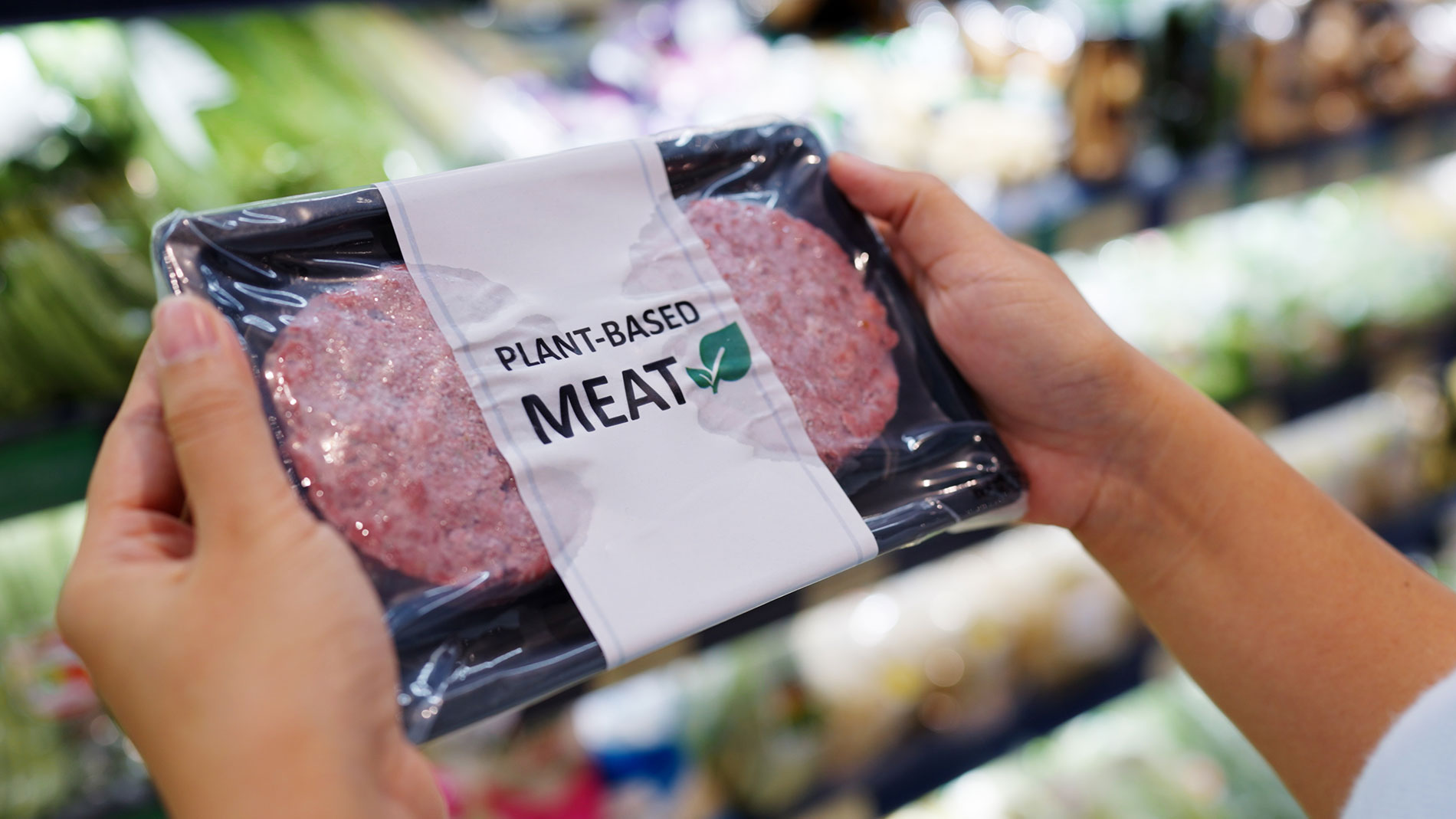
A plant-based meat alternative, packaged in a thermoformed tray. Picture: ChayTee
The market is increasingly embracing foods made from alternative proteins. What changes are being made to the packaging of these products?
Alina Siebler: Many plant-based products are currently packaged in exactly the same way as their animal-based counterparts. However, their requirements differ significantly, for example due to the fact that plant-based food-colouring is less photo-sensitive. While oxygen and light protection are necessary, they are not required to the same extent as for meat packaging. This presents an opportunity to reduce packaging and save on barrier layers, thereby improving recyclability.
What is meant by ‘intelligent packaging’? When sensors and storage mediums are used, does this place special demands on materials and shapes of the packaging?
Alina Siebler: Smart packaging provides stakeholders with information about the product or supply chain. For example, it can indicate whether a product has been refrigerated without interruption. There are also freshness indicators that act as dynamic use-by dates. One example is a dot on the packaging that remains green for as long as the product is edible. This dot is connected to the inside of the packaging and provides live information about the product’s microbial condition. Special requirements that arise from the use of sensors or storage mediums cannot be defined universally; they always depend on the specific application. The manufacturing process is crucial here, for instance the question how sensors or storage mediums are applied to or integrated into the packaging.