
Reading time: 4 minutes
In an era defined by geopolitical fragmentation and climate urgency, few trade deals carry as much strategic weight as the agreement between the European Union and MERCOSUR. What began as an effort to forge one of the world’s largest free-trade areas has evolved into a litmus test for whether globalization can be reconciled with environmental responsibility and social fairness.
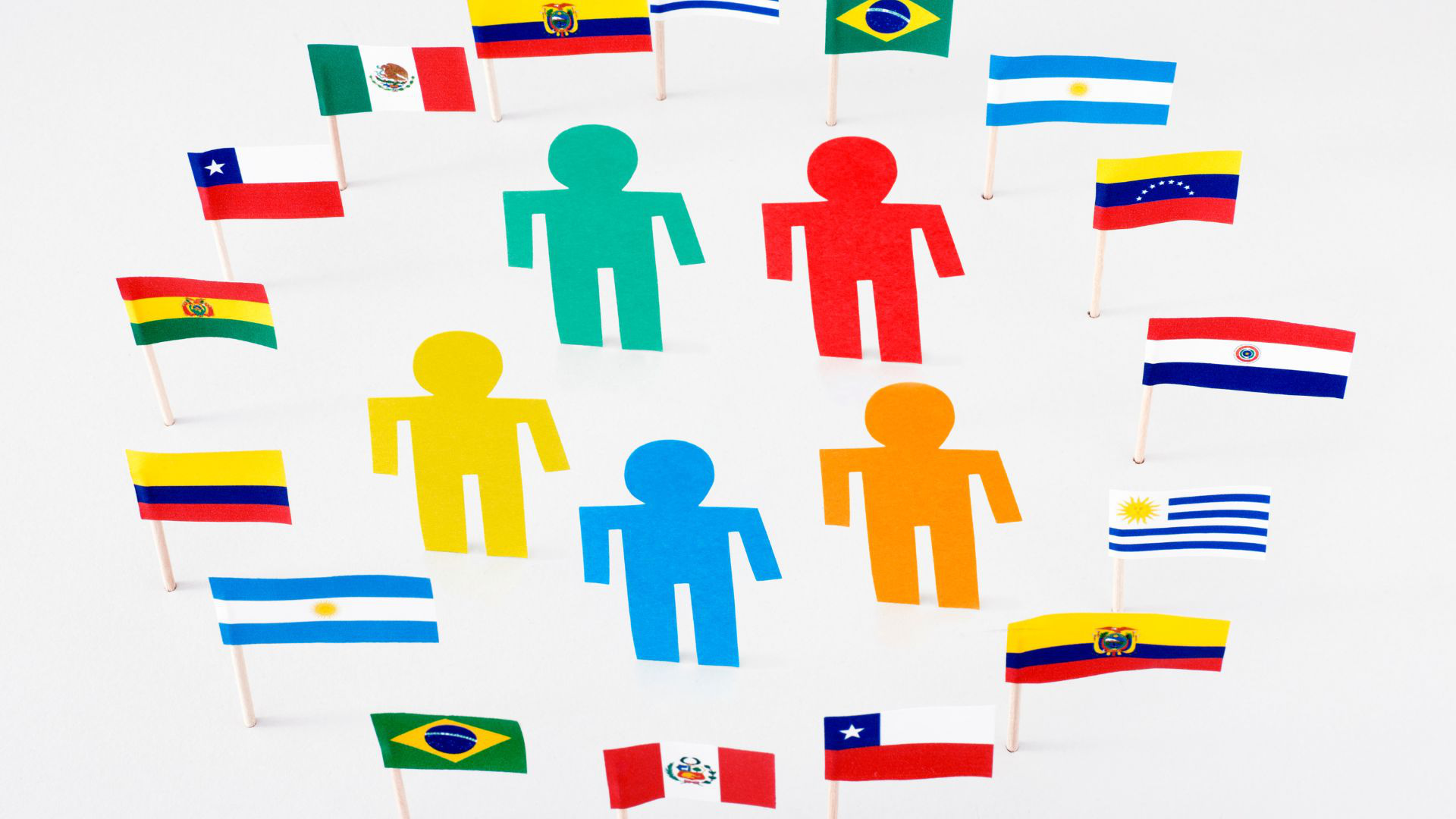
Signed on 17 January 2026 in Asunción after 26 years of negotiations, the EU–MERCOSUR Partnership Agreement brings together the European Union and the South American bloc of Argentina, Brazil, Paraguay and Uruguay. Together, the two regions represent roughly 30% of the global GDP and more than 700 million consumers. However, rather than being celebrated as a triumph of diplomacy, the agreement has become one of the most polarizing trade initiatives of the decade.
Economic promise and strategic calculus
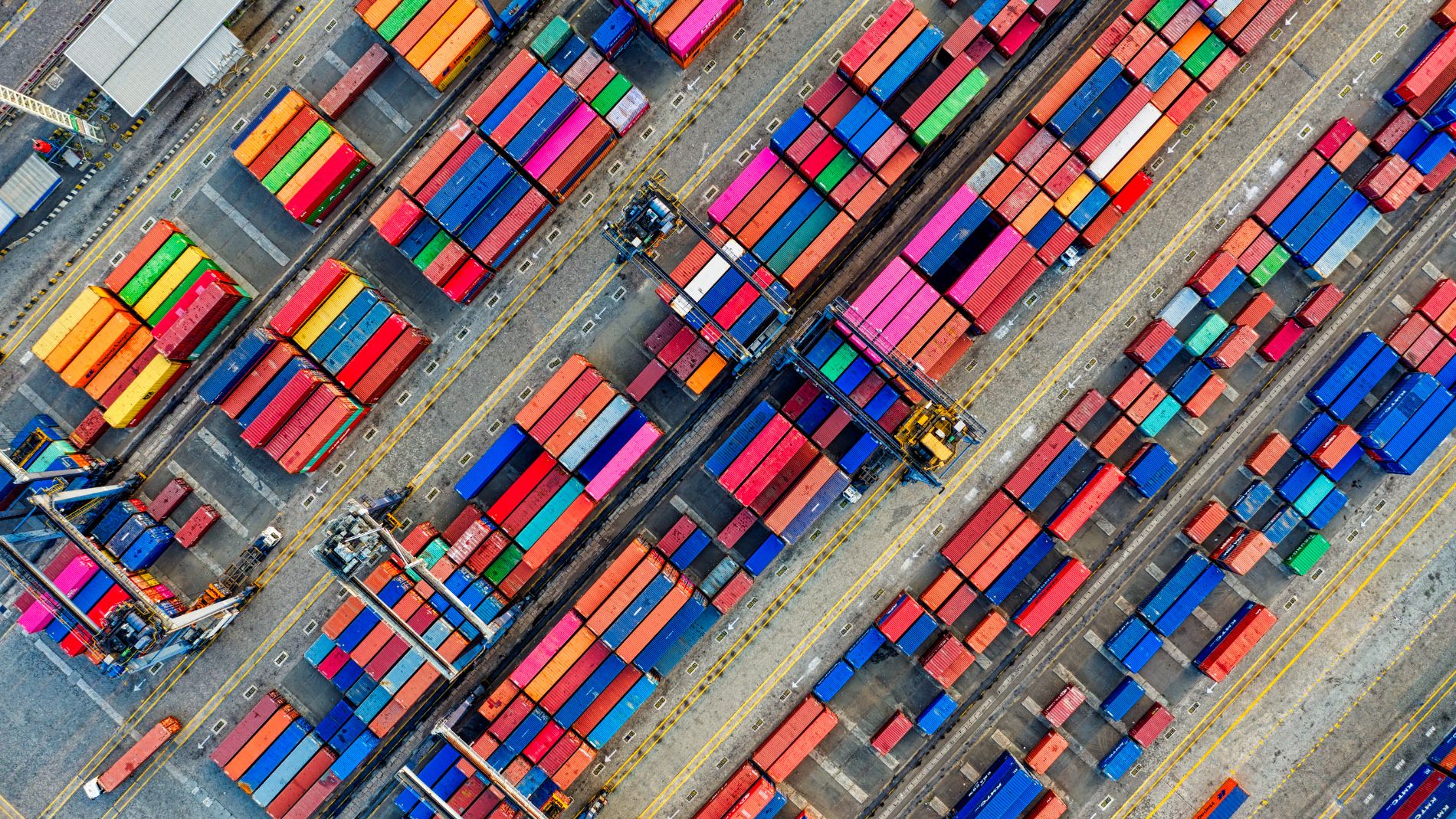
The agreement aims to eliminate tariffs on the vast majority of goods traded between the two regions. For the EU, this promises improved access for industrial exports such as automobiles, machinery, chemicals and wine. For MERCOSUR countries, it opens expanded access to European markets for agricultural products, especially beef, poultry, soy and sugar. The deal strategically signals European commitment to open markets at a time of intensifying global protectionism. It also reflects a desire to diversify trade partnerships beyond reliance on the United States and China, strengthening ties with a resource-rich region of growing geopolitical relevance.
However, the economic benefits are under scrutiny and nowhere is this clearer than in the meat industry.
The beef battle at the heart of the deal
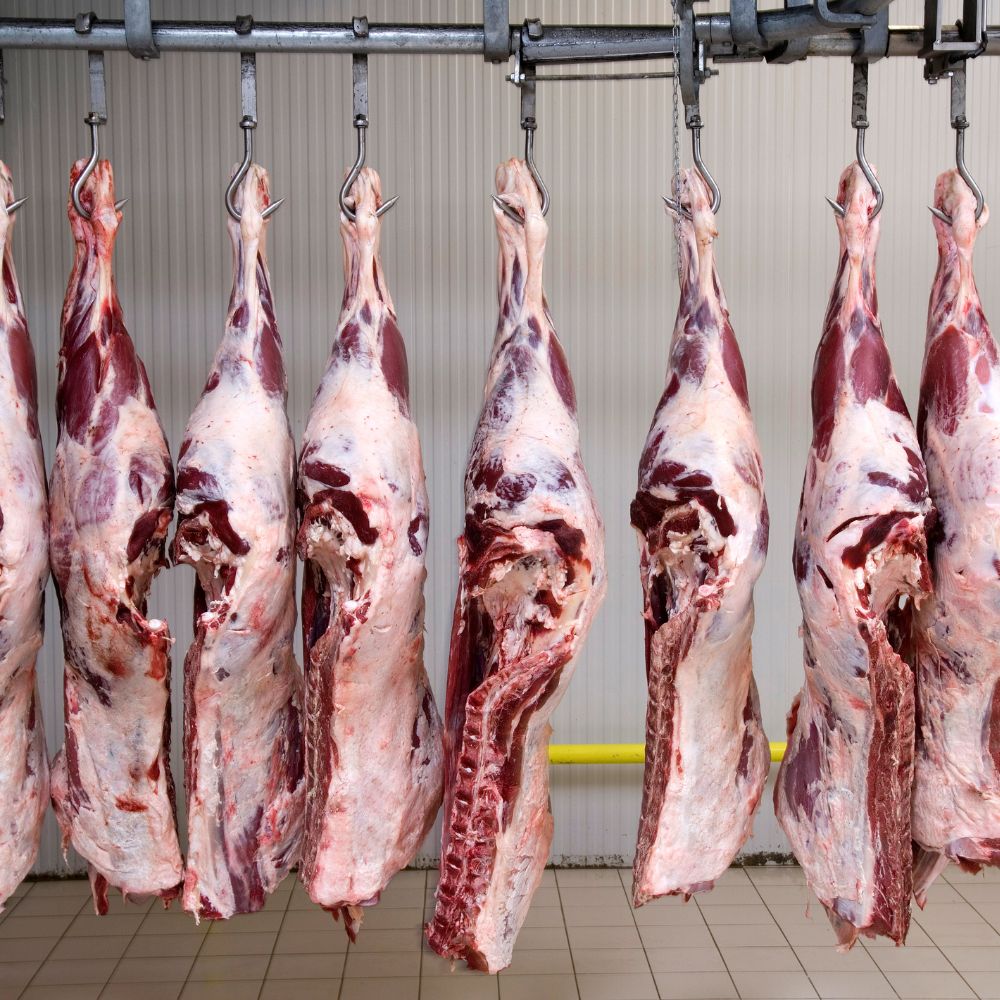
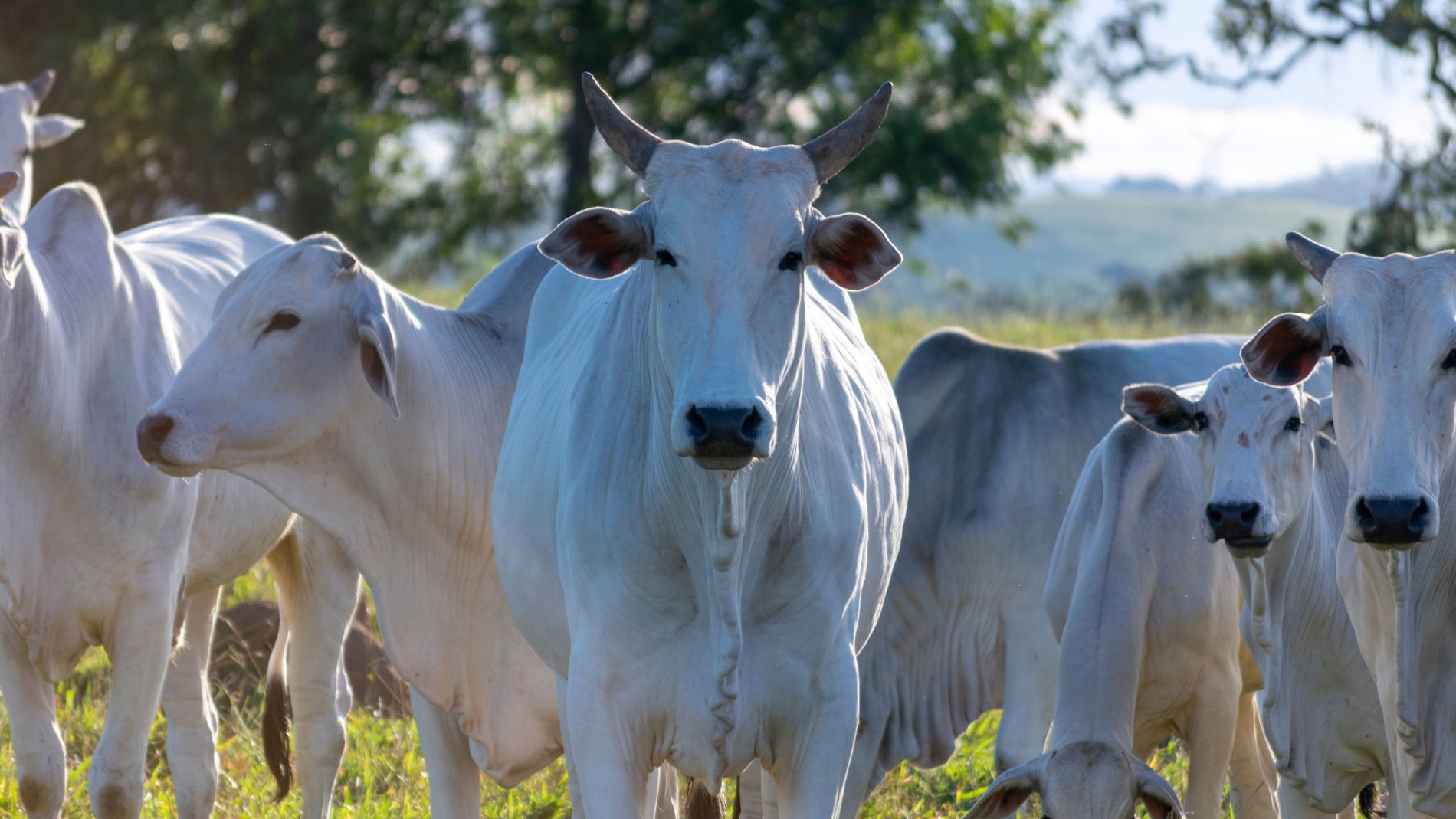
Beef has emerged as the agreement’s most politically sensitive sector. Under the deal, MERCOSUR countries will be permitted to export up to 99.000 tons of beef annually to the EU at a reduced 7,5% tariff, phased in over five years. While this represents roughly 1% to 1,5% of the total EU beef consumption (approximately 8 million tons annually), its symbolic and regional impact is far greater than the numbers suggest.
The EU already imports around 200.000 tons of beef per year from MERCOSUR countries under various quotas, including the “Hilton quota” for high-quality cuts. The agreement would gradually eliminate existing 20% tariffs on these quotas.
Economic modelling by Wageningen University & Research suggests that certain member states, particularly the Netherlands, could experience significant declines in domestic beef production value, potentially falling by over 15% by 2040. The overall EU market impact may appear limited; however, the effects are likely to be concentrated among specific regions and smaller producers, intensifying rural discontent.
International Food Technology, Additives and Ingredients Trade Fair

Tecno Fidta : 15 - 18 September, 2026 in Buenos Aires, Argentina
Visit the leading platform for the food and beverage industry in Latin America and discover technology, innovation and solutions for the entire value chain.
Poultry as the next trade flashpoint
Poultry presents a similar dynamic. The agreement introduces a new tariff-free quota of 180.000 tons of poultry meat from MERCOSUR countries, phased in over six years. This would represent approximately 1,4 % of EU poultry consumption, but could raise total import penetration to around 9 % to 10 % of the EU market.
Brazil, already the world’s largest poultry exporter, is a dominant supplier. European producers argue that they face structural disadvantages such as stricter animal welfare rules, higher environmental standards, and more stringent labor regulations increase production costs within the EU.
On the other hand, industry groups warn that additional imports could exert downward pressure on prices, destabilize certain segments of the poultry chain, and undermine producers operating under what are widely considered the world’s highest regulatory standards. The debate has therefore shifted from simple market access to questions of regulatory parity and fair competition.
Safeguards and sustainable development

To address mounting criticism, the final agreement includes a Trade and Sustainable Development chapter requiring compliance with international labor standards, environmental protection commitments, biodiversity safeguards, and adherence to the Paris Agreement as an “essential element.” Serious violations could lead to partial or total suspension of trade preferences.
The EU has also proposed protective measures for its agricultural sector, including gradual market opening, safeguard mechanisms against import surges and financial support through the Common Agricultural Policy. A new regulation allows tariff preferences to be temporarily suspended if imports of sensitive products rise sharply and harm domestic producers.
Enforcement remains heavily reliant on dialogue and consultation rather than automatic sanctions. For many environmental organizations and farmer associations, this weakens the credibility of sustainability commitments.
At the same time, MERCOSUR governments express concern that EU climate-related regulations, such as deforestation standards, could constrain domestic development strategies. The agreement’s “rebalancing mechanism” attempts to address this by allowing countermeasures if new EU rules undermine negotiated market access.
Trade policy at a crossroads
The EU–MERCOSUR agreement encapsulates a dilemma of contemporary trade policy.
Within the EU, member states are divided. France, Italy, Hungary, and Poland have voiced strong reservations, while Germany, Spain, and several Nordic countries are more supportive. The debate reflects broader tensions between export-oriented industrial economies and politically influential agricultural sectors.
In MERCOSUR, large agribusinesses generally welcome the agreement, while some industrial actors fear exposure to European manufactured goods could accelerate de-industrialization.
Liberalization promises growth, diversification and geopolitical leverage. However, it unfolds in a world defined by ecological limits and strategic rivalry. Supporters view the agreement as a beneficial step toward deeper economic integration and a vehicle for exporting European sustainability norms abroad. Critics see it as a deal that risks undermining the climate leadership the EU seeks to project.
Its fate will signal more than the future of EU–South America relations. It will indicate whether large-scale trade agreements can evolve to meet the demands of the climate age or whether economic globalization and environmental protection will continue to pull in opposite directions.
As the debates continue, one thing is clear: the EU–MERCOSUR Agreement is no longer only a trade deal. It is a test of whether global economic governance can adapt to the political realities of the 21st century.
Further articles from Global Protein Perspectives
All images: Canva
References
Anderson, Kara: Why the EU-Mercosur agreement is a thorny question. Greenly. 18 November 2024.
American Policy International: EU-Mercosur trade deal risks flooding EU markets with low-welfare imports from South America 11 December 2024
AVEC: The Voice of Europe’s Poultry Sector: EU-Mercosur Agreement: Following Council approval, AVEC urges the European Parliament to reject the deal 9 January 2026
Caetano, Marcela et al.: EU-Mercosur Deal: Boost for Beef Exporters, Minor Shifts for Gains Fastmarkets. 30 January 2026
European Parliament. “Mercosur: Parliament approves safeguard clauses to protect EU agriculture” 10 February 2026.
Graumans, Kirsten: The EU-Mercosur Treaty: Why Are Europe’s Farmers on Edge? Pig Progress. 17 January 2026
InterAlia-Inspiring Social Change: EU-Mercosur Deal: A Trade Deal that tests Europe’s Climate Credibility 11 February 2026
Zootecnica Poultry Magazine: EU-Mercosur trade deal: implications for the poultry sector 5 September 2025.
Global Policy Forum: Why the EU-Mercosur agreement is bad news for global sustainability. 28 January 2026
Bildnachweis: Canva