
Reading time: 7 minutes
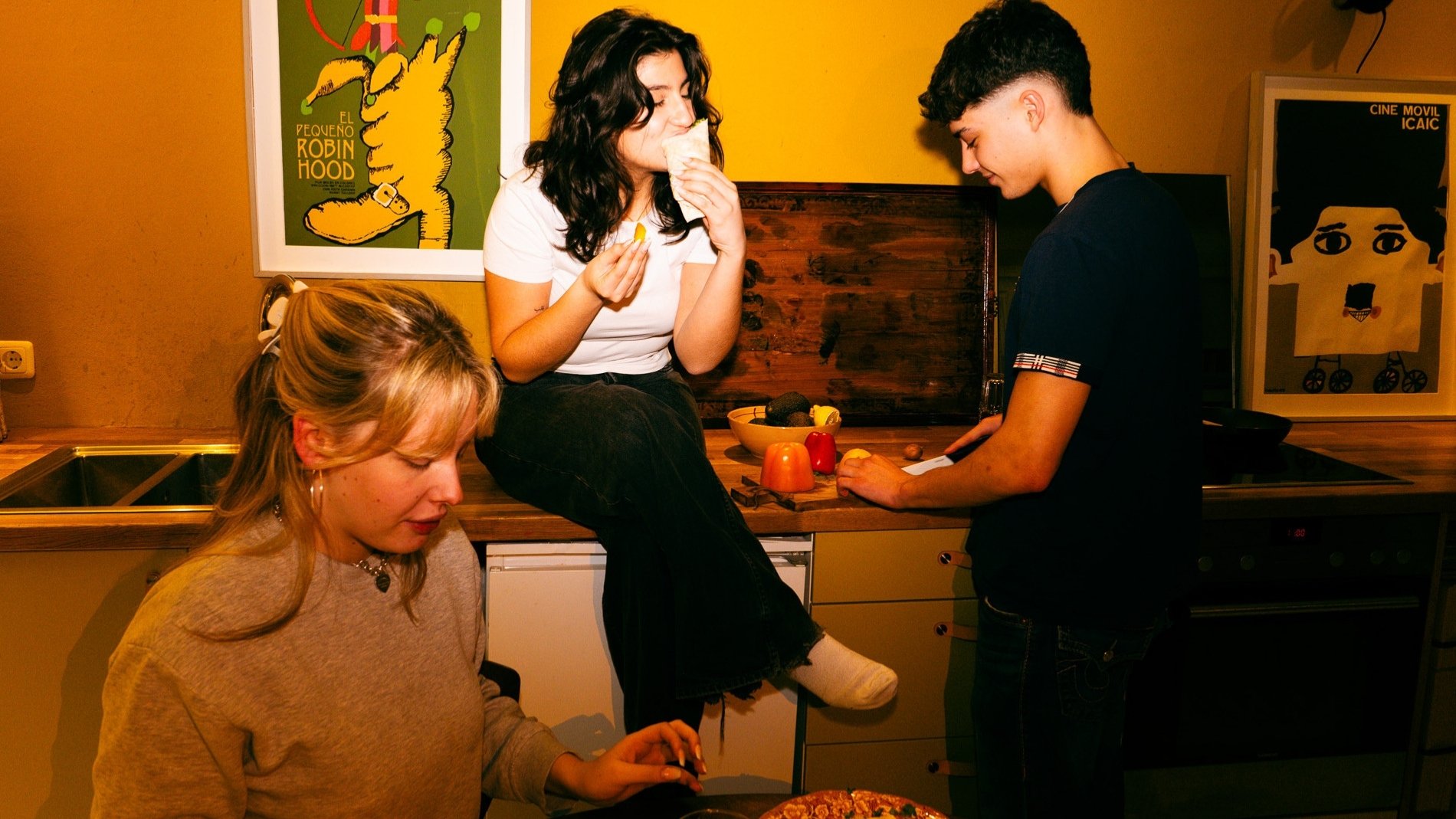
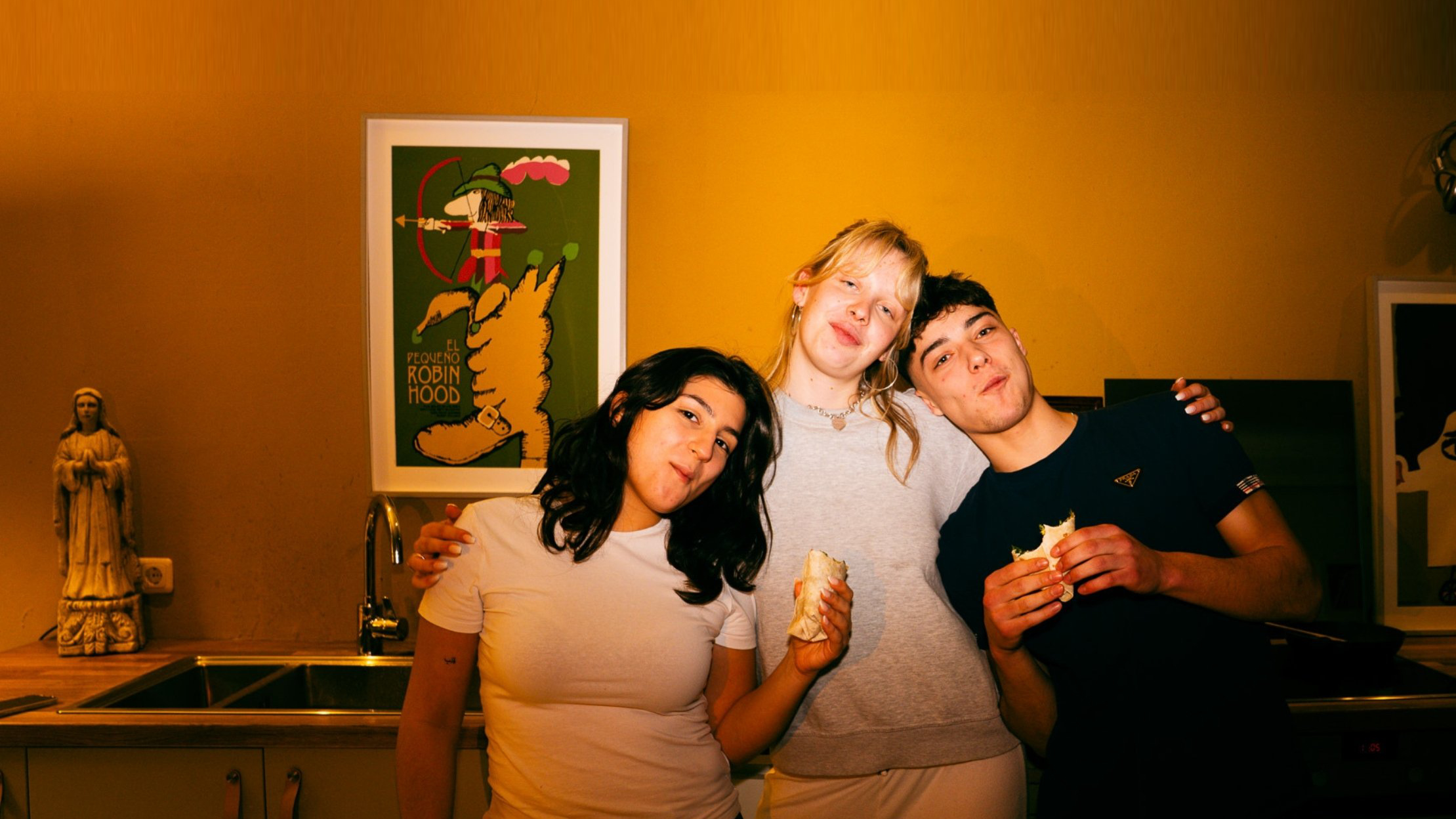
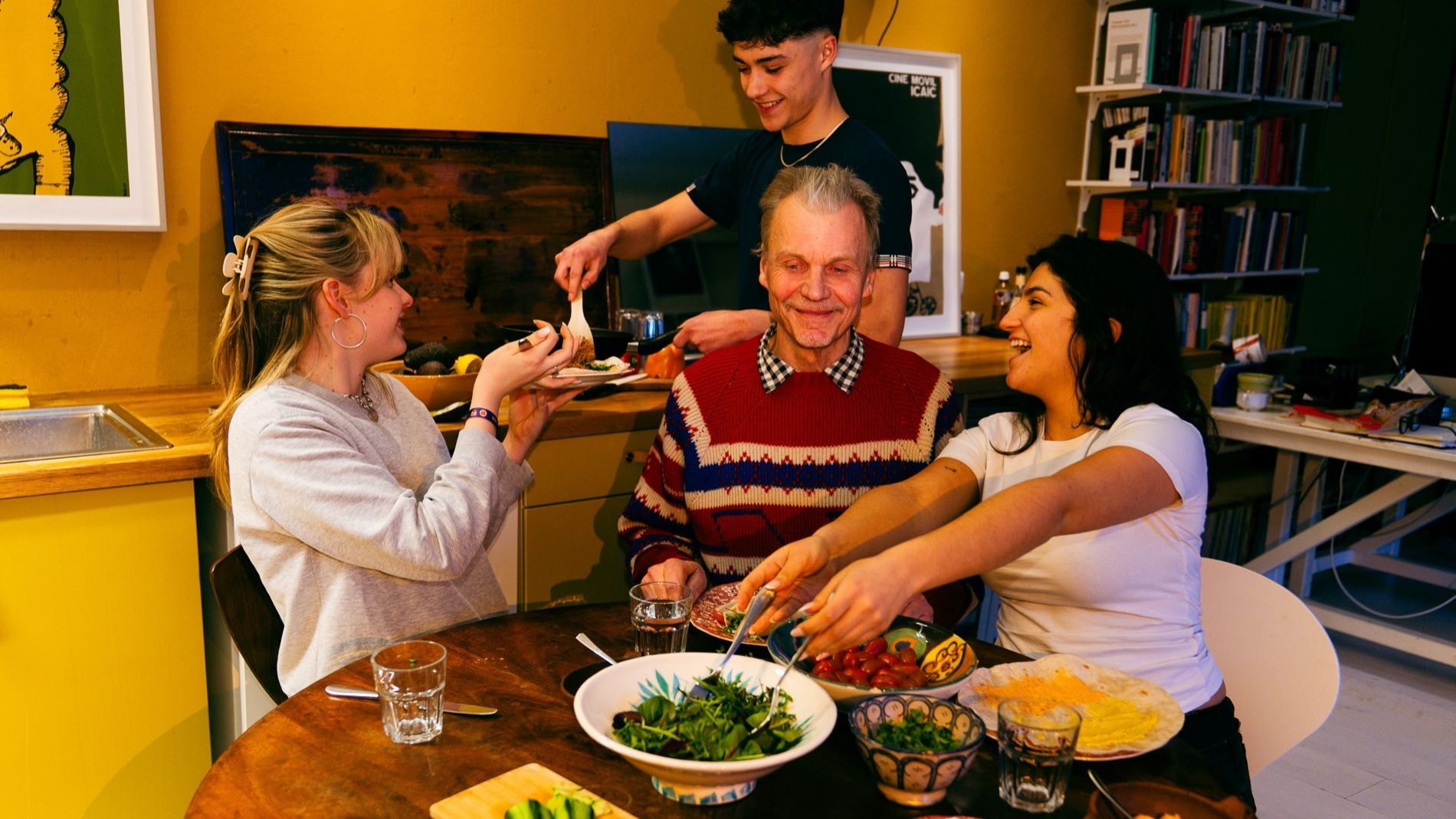
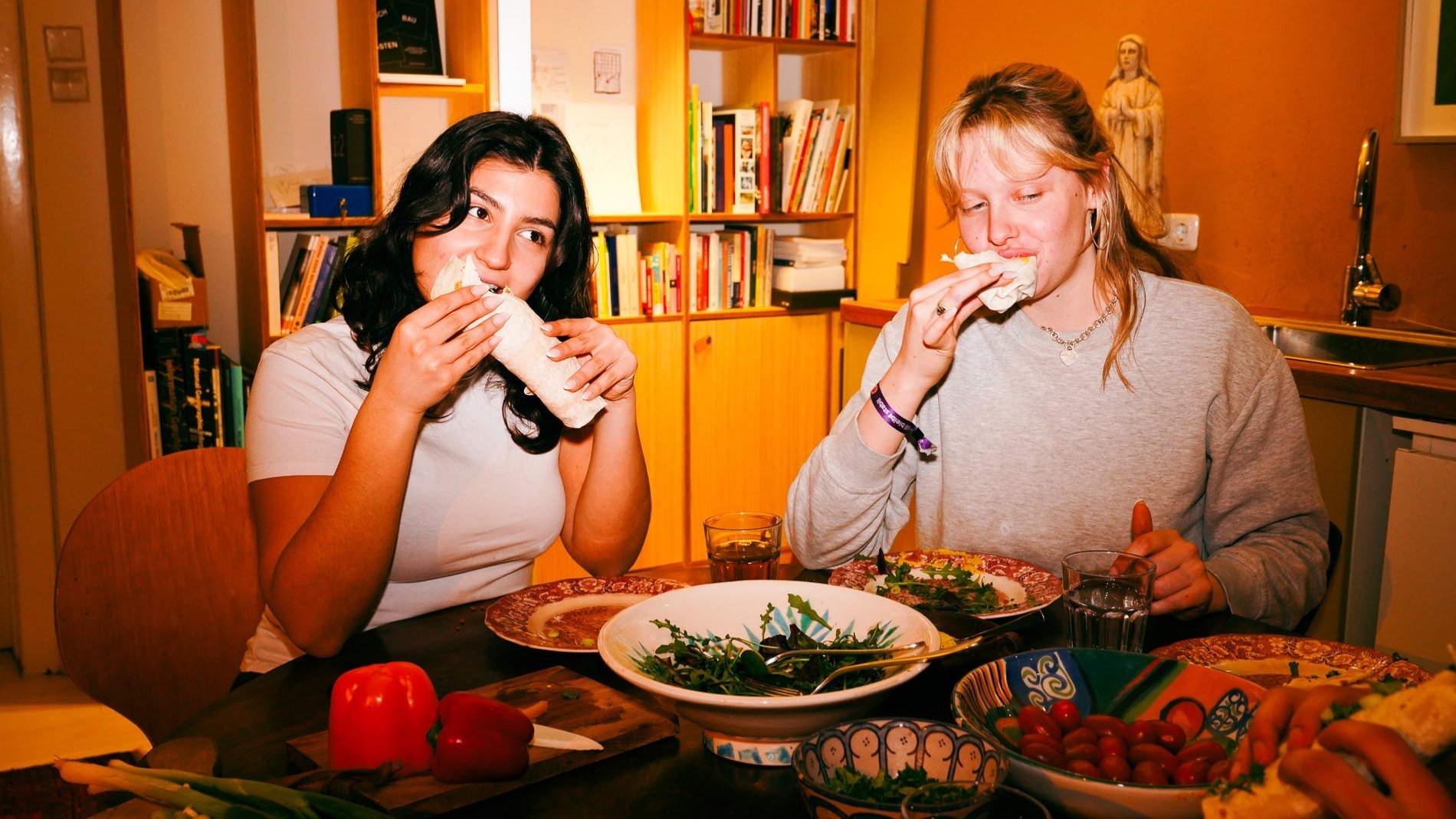
Teresa, Hanna and Benjamin, three Hamburg teenagers about to graduate high school, therefore part of Gen Z, don’t eat according to plan, they eat to the rhythm of their everyday lives. They skip breakfast, lunch is bought on the go, and dinner is decided by their social media feeds. Caught between the demands of school, part-time jobs, their circle of friends and doomscrolling, stable meal routines don’t really stand a chance. Instead what emerges are flexible eating moments: spontaneous, social, and often snack-based. Food is less a matter of structured sustenance and more a mix of necessity, reward, belonging, and self-expression. Foodtech Now! invited the three young adults to an apartment kitchen in Hamburg. This conversation paints a picture of where the actual differences in eating and consumption habits of this new generation of consumers lie, in such a way as to keep market researchers and food companies on their toes and make them trip over backwards with predictions.
The title of a 2024 study by Nestlé/rheingold1 is ‘Nestlé Study 2024 - Eating between sacrifice and indulgence’ highlighting the contradiction within Gen Z: they aspire to health, sustainability and eating less meat, yet time pressure leads to snacks, grab-and-go options and food delivery, often accompanied by a bad conscience. According to the 2024 Nestlé/rheingold study, just under 30 percent of Gen Z express concerns about consuming foods that harm the environment or other living beings. At the same time, the study points to a countertrend: 25 percent of Gen Z describe themselves as “carefree meat eaters” who have no intention of cutting back. Another study by Ivonna Market Insights in its report ‘Top 10 Food & Beverage Trends 2025’ further notes that eating is becoming increasingly social, digital and trend-driven2. For the following Generation Alpha (born in 2010 or later) this blend of technology, peer influence and situational decision-making is likely to intensify even further.
Participants
Benjamin, 19, currently taking a gap year between school and university, is the son of a Greek father who works for a caterer specializing in sustainable fish products.
Hanna, 18, in her final year before graduation, comes from a large Iranian family and grew up with the very meat-oriented cuisine of Persia.
Teresa, 18, also a high school senior, was raised on plenty of vegetables by her mother and plenty of Wiener Schnitzel by her father, and is now going her own way – which also means making sacrifices.
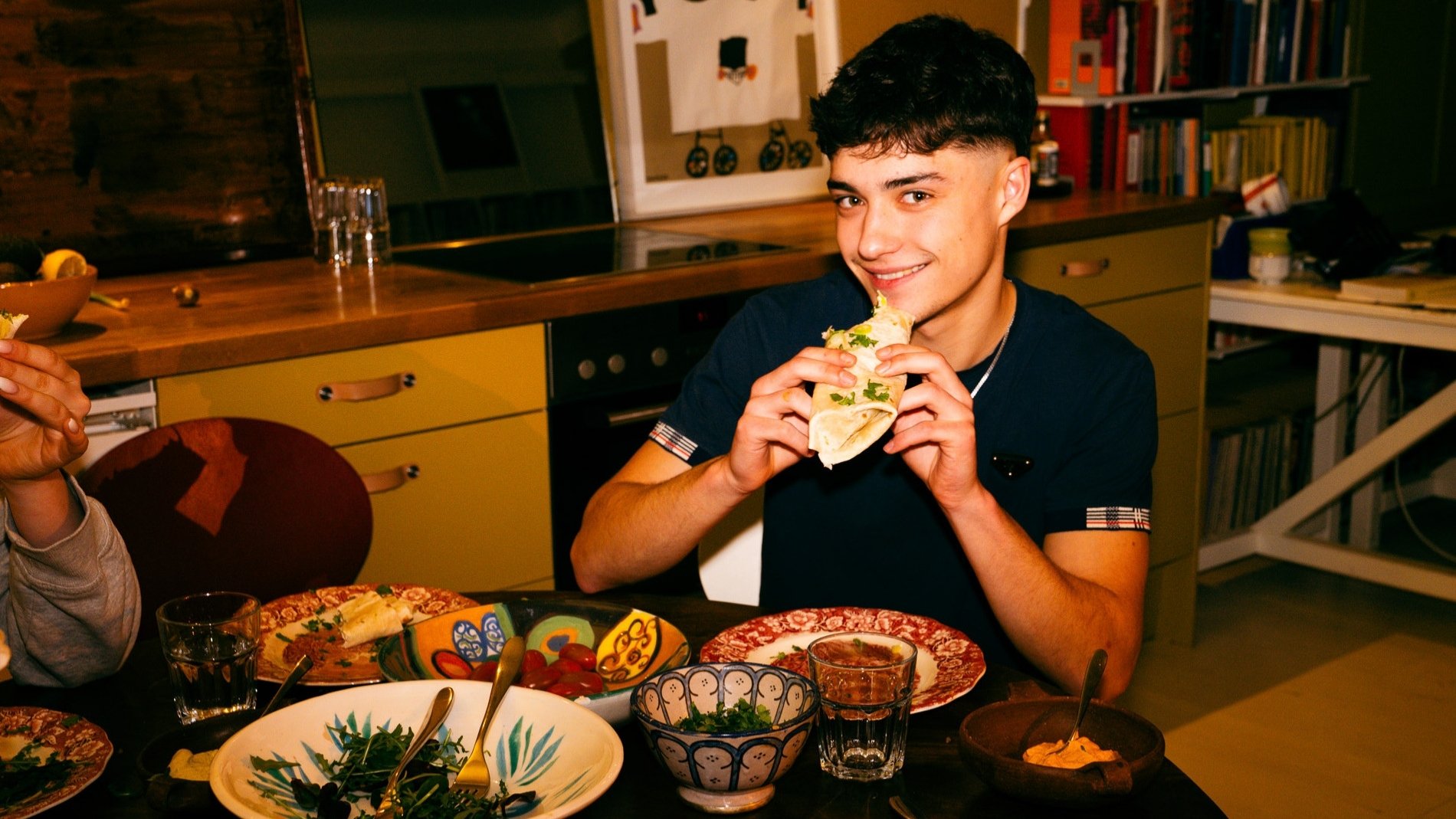
Maybe you could briefly situate yourselves with regard to your eating habits. Benjamin, would you like to start?
Benjamin: Sure. I'm a big breakfast person, when there is time. On weekends, I really enjoy having a proper breakfast, I don't like starting the day without one. Back in school, everything was much more structured: go home, eat, then eat again later. Now it's much more irregular, more here and there. I also eat out quite a bit, often spontaneously with friends.
What does ‘eating out’ mean exactly?
Benjamin: Often it’s just out of boredom. Kebap on the go, same with McDonald’s, Burger King, or a new place we’ve seen online. Hamburg constantly has new spots popping up, and they're heavily promoted on TikTok or Instagram. Then we send each other videos, saying, “We’ve got to check that out” and try it out.
How would you classify yourself: vegetarian, vegan, flexitarian?
Benjamin: Not strictly anything. I eat meat. My parents pay more attention to quality and origin than I do. I know what would be better, but I’m not consistent about cutting back.
And financially? All of that costs a lot of money.
Benjamin: Yeah, it’s definitely gotten expensive. But I have a part-time job, and my biggest expenses are going out on the weekends and eating out. I probably spend too much on food and could eat at home more often.
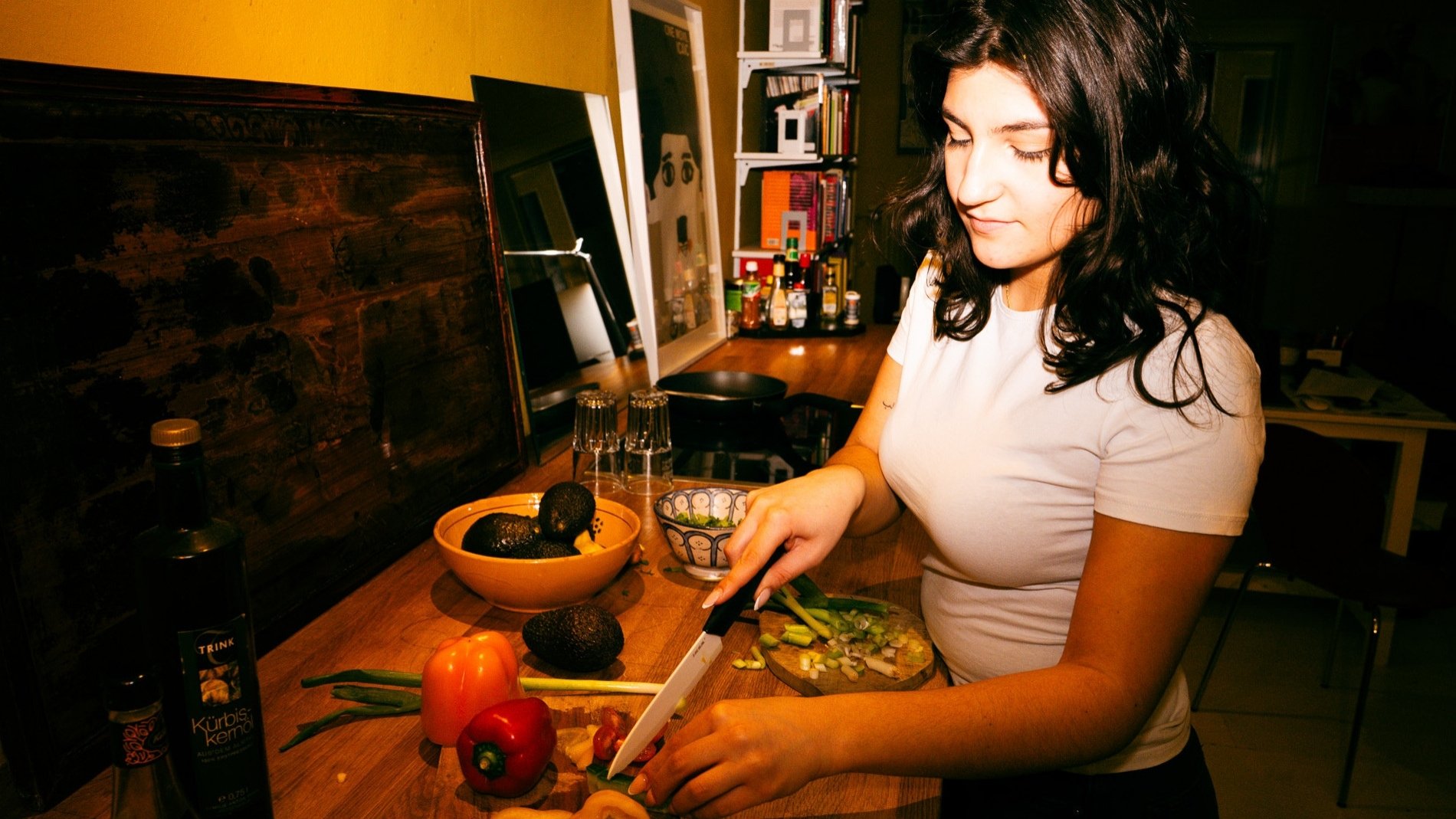
Hanna, what about you?
Hanna: At home we cook every day and we eat a lot of Persian food, which means: lots of rice and lots of meat. I basically never have breakfast, except sometimes on weekends. During the week, I usually eat dinner at home. On weekends, almost never. I sleep in, go out, and then eat out at some point, often not until the afternoon or even late at night.
Do you pay more attention to the quantity than the type of food?
Hanna: Yes, exactly. What I eat doesn’t matter that much to me, I basically eat everything. But I do pay attention to how much I eat. If I know I’m going to eat really greasy food later, I’ll eat less beforehand – to balance it out.
Teresa, how would you describe your everyday life?
Teresa: Very spontaneous. I don’t have fixed mealtimes. Sometimes I have breakfast, sometimes I don’t, it depends on the school day. At home I tend to eat pretty healthily because my mom makes sure of that. When I’m out, it’s less healthy, but it balances out overall.
Are you a vegetarian?
Teresa: Yes, or at least I really try to. I rarely eat meat, for moral and ethical reasons, not because I don’t like the taste. Actually, I really like a lot of meat dishes. For example Wiener Schnitzel, which my dad used to make all the time. This is where the problems start: I find many dishes with meat delicious. And when all your friends eat a lot of meat, it’s not always easy.
Hanna: That's true. We're constantly going out to eat, food is a real group thing for us.
Benjamin: Yeah, food is almost always part of getting together.
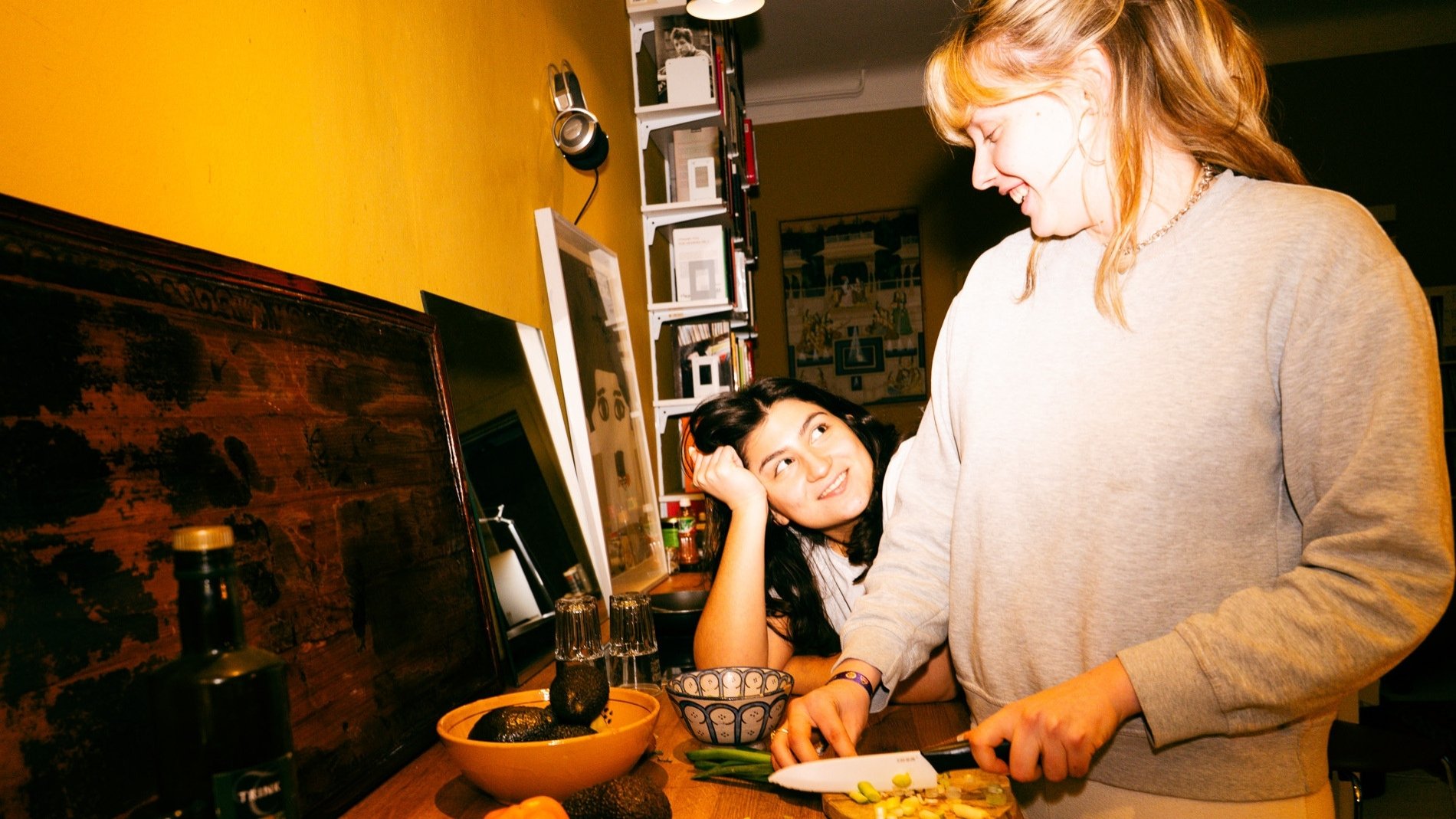
It’s clear that food is also a social matter for you.
Teresa: Absolutely. It’s not just “I’m hungry”, but also about gathering around a table, talking, and trying something new. That's especially important in winter.
What was new and good most recently?
Teresa: Lately we’ve been eating a lot of Asian food and trying out inexpensive snacks at small shops by the side of the street as well. Sometimes we go for Korean fried chicken. There also is a vegetarian option: fried cauliflower. It’s supposed to be really good.
Hanna: We now have several Asian spots that we frequent.
Let's move on to meat. Many people feel that they know what the right choice would be, but don't act upon it.
Teresa: For me, it’s more the other way around: I live up to my standards, but it’s not easy. Especially when I’m on the go. A lot of hyped food trends are very meat-heavy, and the vegetarian alternatives aren’t always just as good.
Hanna: Yes, totally. Factually speaking I know being vegetarian would be better for the climate, for the animals. I know all of that. But I can’t manage to give it up. I think taste plays a big role for me, and laziness too. To be honest.
Benjamin: I can relate. A lot of people know and still continue to eat meat. Sometimes you feel guilty, but you don’t change everything right away. I think for me it’s become such a routine and when I see meat on my plate, I don’t really associate it directly with an animal anymore.
Hanna: I’ve even watched videos of animals being killed, and yet it didn’t immediately change anything for me right away.
Benjamin: Once, some friends and I slaughtered a rooster ourselves, gutted it, and then ate it. At first we thought, “We’ll just do it, off with the head, into the pan, done.” But when we actually caught and killed it, we all felt really bad. At first, everyone was silent; one person went to bed, another just sat there scrolling on their phone.
What happened next?
Benjamin: Later, we gutted it together, prepared it, and then ate it. It was a long process and not a pleasant one. Since then, I’ve thought it was important to have done it at least once. It was much harder than we expected. And somehow, since then, I’ve felt like I’m “more justified” in eating meat because I’ve killed an animal myself once.
What influences you the most: family, friends, the internet? And how big is the influence of social media?
Hanna: A lot of influences. Teresa and I are constantly watching food content. When we see a dish, we sometimes even recreate it ourselves. And if we see a restaurant, we often go there, too. Whenever we meet up, we almost always eat. Then someone says, “Let’s go here or let’s go there,” and I’ll join, even if food was already prepared at home.
Benjamin: For me the order of influence looks like this: family, then friends, and lastly the internet. My parents cook a lot, and I enjoy eating at home, but when I’m out with friends, the moment often decides. At home, we eat a lot of fish. My father works for a company that sells fish.
Teresa: For me, it’s a mix as well. I grew up with a lot of openness at home, and I generally eat a wide variety of food. But friends and eating out shape everyday life quite strongly.
What’s your relationship with meat substitutes?
Benjamin: I rarely eat meat alternatives. If we’re having a barbecue and there are vegetarians there, I’ll try some. Some of it is actually really good.
Hanna: I once had a vegan sausage that I thought was really awful. Maybe it was just the wrong product.
Teresa: I love that section in the supermarket. I really enjoy trying new products: burgers, nuggets, cold cuts, all sorts of things. It can get expensive, but I genuinely enjoy it.
So just try things out?
Teresa: Exactly. You have to get into it a bit. It’s like with new food spots: not everything is good, but some things are totally surprising.
Let’s move on to the topic of snacks. Do you experience something like “snackification,” meaning snacking throughout the day instead of having proper meals?
Benjamin: Sometimes for me. Nuts here, a banana there, later a granola bar, but no proper meal. I don’t actually like it, but it happens.
Teresa: I like snacking. Especially chocolate, vegetables with hummus, bread with dips – candy not that often.
Hanna: I’m less of a snack person. I’d rather have a proper meal than eat chips or something in between.
Recently, especially in the U.S., there’s been a lot of talk about protein, often linked to eating more meat. Does that play a role for you?
Benjamin: I went through a fitness phase once, and my feed was suddenly full of videos about protein and nutrition. For a short time, I was more aware of it, but I never followed it consistently with an app and tracking, like it’s often promoted.
Hanna: For some boys, it’s more of a topic. But I think they often don’t eat meat just because of protein, but because they like the taste.
Teresa: There are also plenty of plant-based sources of protein. So for me, protein alone isn’t an argument against being vegetarian.
And delivery services? How do you feel about them?
Hanna: I use delivery services mainly on Sundays. When you're tired from the weekend, you're more likely to order.
Benjamin: I order less than I used to, partly because of the prices. If I do, it's only when there are special offers.
Teresa: I often find ordering unnecessarily expensive. But of course it still happens, depending on the situation.
Last round: How would you describe your eating habits?
Benjamin: Flexible, social, spontaneous. I enjoy eating and trying new things, but I’m not strict about categories.
Hanna: For me: influenced by family, lots of Persian food at home, but when eating out, more spontaneous and without strict rules.
Teresa: For me: consciously and morally motivated vegetarian, but with real everyday conflicts, because giving things up isn’t always easy.
All images: Anna Clarks