
Reading time: 8 minutes
Healthy nutrition and care for the environment have come together to shape one of the biggest trends of recent years: organic foods. Driven by growing concerns about health, environmental sustainability, and animal welfare, consumers around the world are increasingly demanding food that is cleaner, more transparent, and produced with respect for the planet.
Argentina is one of the countries where this shift is particularly visible. Across the country, a growing number of local initiatives are offering healthier alternatives for consumers interested in adopting a more conscious lifestyle. Over the past decade, certified organic production has steadily expanded, with products such as yerba mate, honey, wine, and olive oil leading the sector.1
Argentine consumers are becoming more informed about what they eat and how food impacts their health and the environment, as highlighted in a recent study by the Puratos Group, titled “Taste Tomorrow.” According to the report, 78 % of consumers want to know where their food comes from and how it is produced to understand its potential impact. Meanwhile 75 % of consumers believe “I am what I eat” and prefer to select their food carefully. As a result, the preference for organic, local, sustainable products continues to grow.2
Within Argentina, these changing attitudes are reshaping some of the country’s most iconic agricultural industries.
A new chapter for Argentine wine
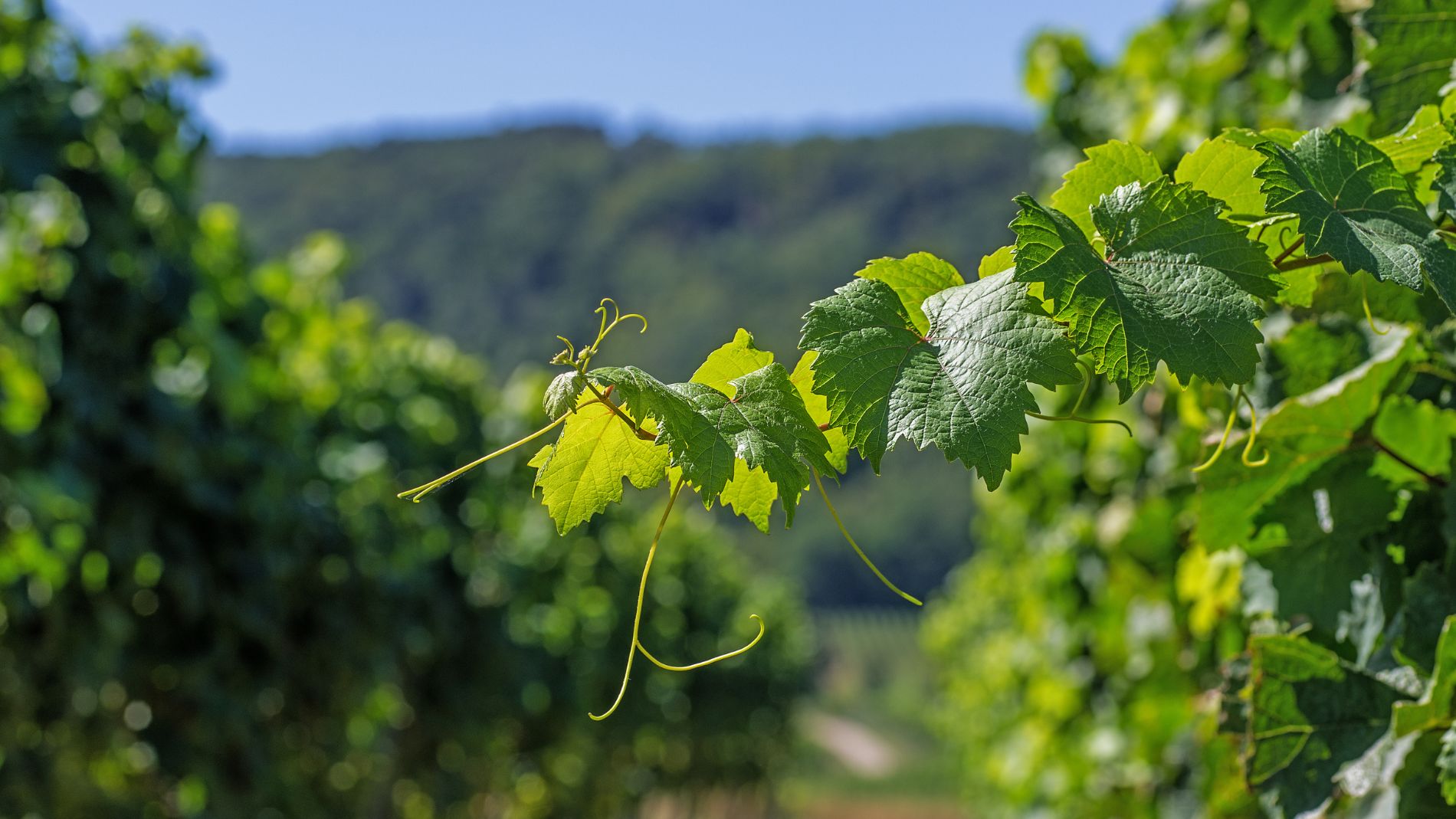
Perhaps nowhere is this transformation more visible than in Argentina’s wine sector. Long celebrated for its world-class vineyards, the industry is increasingly embracing organic production as a way to combine quality winemaking with environmental responsibility.
Organic wines are produced without pesticides, agrochemicals, synthetic fertilizers, or fungicides. Instead, growers rely on natural farming practices designed to preserve soil health and biodiversity. Over the past several years, the number of wineries with organic certification has doubled, reflecting a broader commitment to sustainability throughout the sector.
Today, roughly 20,5% of Argentina’s wine production is organic, and domestic demand is growing rapidly. In 2024 alone, Argentines consumed 1,5 million liters of organic wine, which is an extraordinary leap from the 4.000 liters sold just a decade earlier.
Yet the philosophy behind organic wine is not entirely new to the country. Many producers point out that traditional Argentine viticulture has long relied on natural conditions, including dry climates and high-altitude vineyards that reduce the need for chemical treatments.
Among the pioneers of this movement is Familia Zuccardi. The winery began exploring organic practices in 1999 and launched its certification process in the early 2000s. Today, 320 hectares of its vineyards are fully certified organic, forming part of a broader commitment to sustainability across the 1.200 hectares cultivated by the family.
Escorihuela Gascón is another notable example. More than 15 years ago, under the initiative of Ernesto Catena, the winery pioneered biodynamic viticulture in Argentina. In 2015, it launched its Organic Vineyard line, produced from 70 hectares in El Cepillo in the Uco Valley that are certified both organic and biodynamic. An additional 150 hectares are currently undergoing conversion, reflecting the winery’s long-term commitment to biodynamic vineyard management.
Similarly, Chakana Wines has embraced biodynamic production under the leadership of winemaker Leonardo Devia. The winery emphasizes techniques that respect the local ecosystem, recognizing the interconnected roles of soil, climate, animals and people in shaping wine quality and terroir expression. Although biodynamic agriculture represents one of the oldest farming traditions in history, its modern application remains highly dynamic, requiring continuous adaptation and careful management.
The growing interest in organic wine reflects a broader transformation taking place throughout Argentina’s agricultural landscapes, one that extends well beyond vineyards.3
Olive oil: Tradition meets sustainability
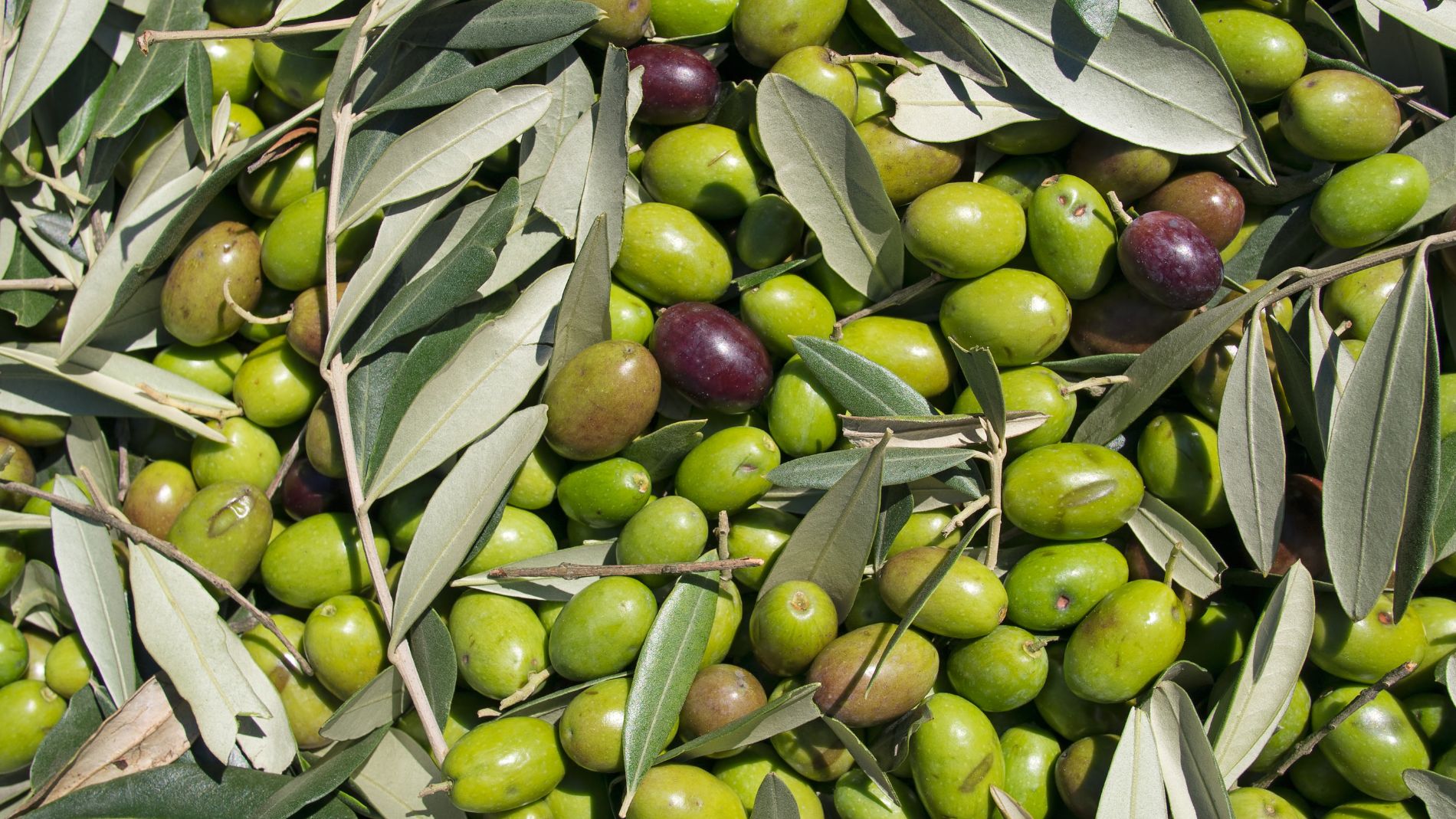
Argentina’s olive oil sector, another pillar of the country’s agricultural heritage, has also embraced organic production as a path toward both quality and sustainability. Organic olive oil is produced from olives grown without synthetic pesticides or fertilizers, and strict procedures ensure the absence of contamination during processing. The result is an oil that preserves the fruit’s natural flavor and nutritional properties while meeting the growing global demand for cleaner foods.
Argentina’s olive oils have already earned international recognition. Olivícola Laur, for example, has been ranked among the 100 best olive oil producers in the world by the EVOO World Ranking.
At Laur’s Cruz de Piedra estate, some olive trees are more than 80 years old. The groves follow a traditional high-canopy planting system that requires harvesting by hand, a labor-intensive process that protects both the fruit and the surrounding ecosystem. After several years of cultivation without pesticides, insecticides, or synthetic fertilizers, the estate is currently completing its transition to full organic certification.
From these groves comes Gran Laur, a limited-production oil made from carefully selected Arauco olives harvested at early ripeness. With acidity levels below 0,19% and distinctive aromatic qualities, the oil is aimed at connoisseurs seeking exceptional quality.
Other producers are following similar paths. At Bodega Lagarde in Mendoza’s Luján de Cuyo region, olives are processed using the Tuscan Method, which is a mechanical extraction process designed to maintain purity and freshness. The resulting oils combine fruity olive notes with hints of tomato and ripe banana and are known for their aromatic complexity.
Familia Zuccardi has also expanded into premium olive oil production with its Zuelo line, including the seasonal Novello Zuelo, released each year at peak freshness. Made from Arbosana, Frantoio, and Arauco olives, the oil offers aromas of green tomato, grass, arugula, green apple, and almonds, with a balanced yet persistent bitter and spicy finish.
Together, these producers demonstrate how Argentina’s traditional crops can evolve through organic practices, an evolution that is also unfolding in the country’s dairy sector.4
From pasture to plate: The rise of organic beef in Argentina
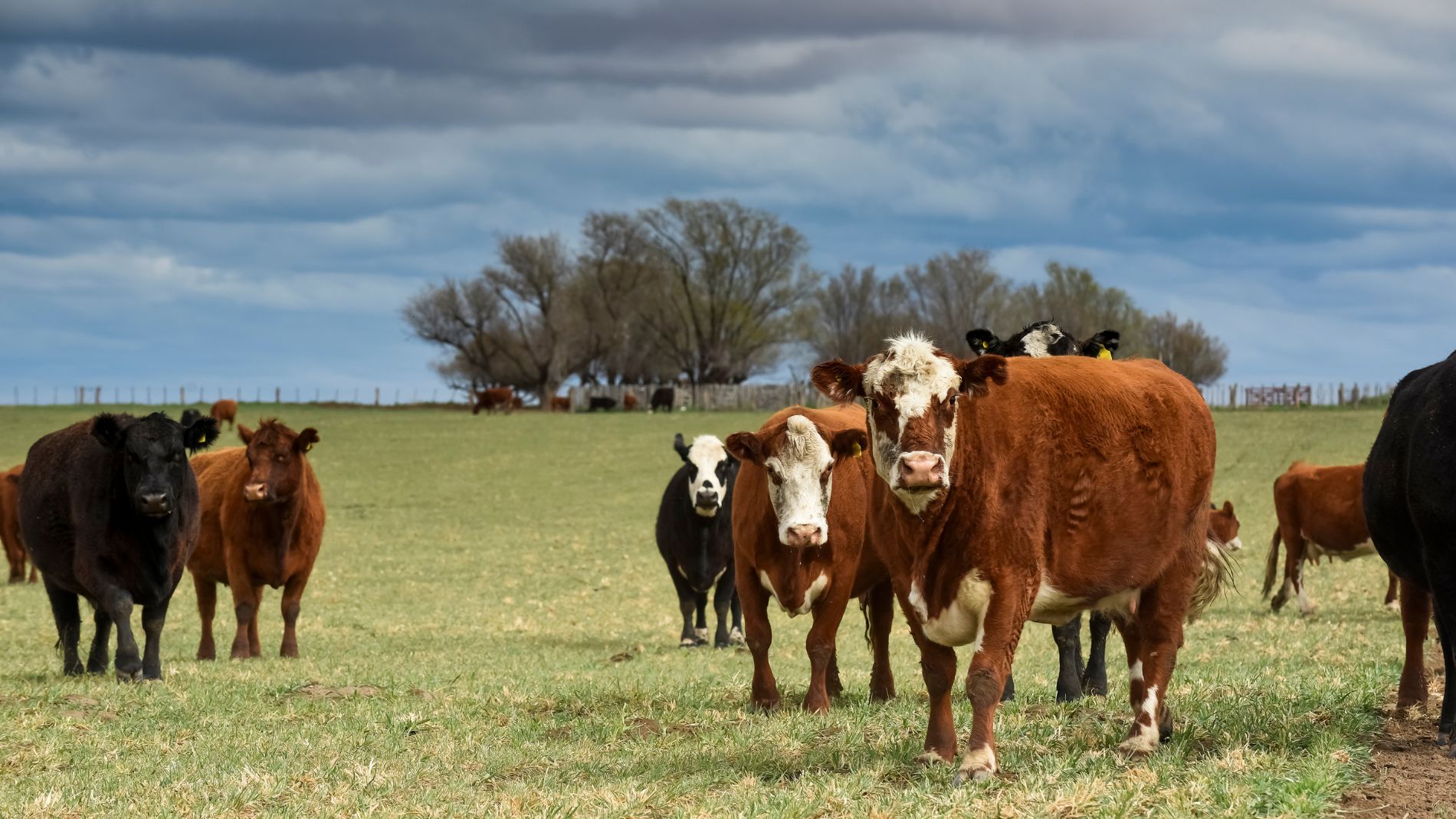
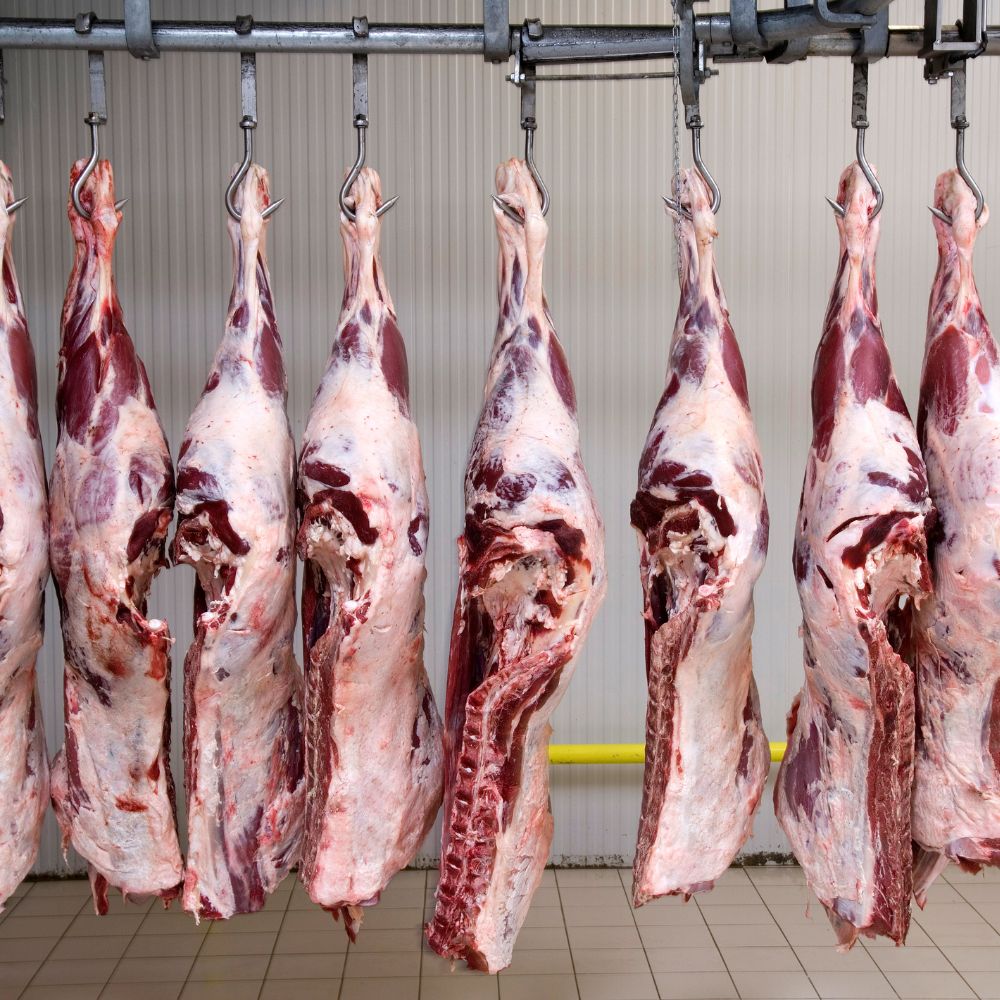
Argentina’s identity as a beef powerhouse is also evolving. Today, a new generation of producers is combining traditional ranching with organic and regenerative practices.
At General Las Heras in Buenos Aires province, La Julia Organics manages around 1.000 Red Angus cattle raised for 36 months on chemical-free pastures. With over two decades of experience, the farm supplies both domestic and international markets and partners with an organic meat processor for cutting and vacuum-packing products. Its regenerative approach divides the land into distinct productive environments, while applying rotational grazing to maintain soil health.
Founded in 2018, Don Edgardo follows a networked model, working with multiple cattle producers across Buenos Aires province and coordinating transport to certified slaughterhouses. The company offers both traditional cuts and premium options such as traditional cuts and premium options like tomahawk and prime rib, sold in the local Carrefour supermarkets, organic stores, and restaurants. Don Edgardo is also pursuing certification for value-added items such as sausages, hamburgers, and breaded cutlets.
Meanwhile, Moo traces its roots to the 1960s when sisters Rachel and Pamela Schiele began agroecological farming in Cordoba province. Certified organic since 1992, their farm now operates under the Las Dos Hermanas foundation and now spans pasture, slaughter and processed products. Moo reaches consumers at festivals like Lollapalooza, in well-renowned restaurants such as Narda Comedor and in 30 Carrefour branches and specialty stores across Greater Buenos Aires.
Together, these producers show how Argentine beef is rooted in tradition, yet embracing organic, sustainable and innovative practices that meet modern consumer demand.6
A booming export market
Argentina’s organic industry is increasingly becoming an export powerhouse. As global demand for sustainable food continues to rise, the country has strengthened its position as a key supplier to international markets. Just in 2024, exports of certified organic products grew by 25 %, reaching more than 118.000 tons and generating nearly $96 million dollars in revenue across 67 destinations worldwide.
The United States remains the largest buyer, accounting for 56 % of exports with 72.000 tons imported in 2024. The European Union follows with 24 % while Canada ranks third. The United States International Trade Commission (USITC) specified that the cities that buy the most Argentine organic food are Charlotte (23,9 %), Baltimore (22,3 %), Philadelphia (12,3 %), Buffalo (11,5 %), and San Francisco (8,4 %). In the United States, certified organic products are not limited to specialty stores, as they are also available in most supermarket chains, alongside fruits, vegetables, meats, dairy products, and processed foods. Following the United States, the European Union accounted for 26 % of shipments, with the Netherlands and Germany serving as the primary buyers. Canada ranked third, representing 4,5 % of the exported volume.
The German market for organic meat: Animal welfare, origin and sustainability shape purchasesAmong the most exported organic products are cane sugar, pears, wine, pear purée, and apples. Cane sugar alone represents 39% of the total export volume, with nearly 50.000 tons shipped abroad last year and most of it was destined for the United States.
Production is largely concentrated in Argentina’s northern provinces, particularly Tucumán and Salta, where climatic conditions are ideal for sugarcane cultivation.
Fruit exports also play a major role. Organic pears are shipped primarily to the United States and the European Union, each importing roughly 9.000 tons annually. Pear purée exports reached 6.300 tons in 2024 and organic apple purée totaled approximately 460,000 kilograms.
Approximately 97 % of Argentina's certified organic production continues to be directed toward the export market, thereby solidifying the country's position as a key player in the global trade of organic foods.7
A future rooted in the land
From vineyards in Mendoza to dairy farms in Patagonia and sugarcane fields in the north, Argentina’s organic movement reflects a deeper transformation in how food is produced and valued. What began as a response to consumer demand has evolved into a broader shift in agricultural practices, one that combines traditional knowledge with modern sustainability principles.
For Argentine producers, organic farming represents not only a commercial opportunity but also a long-term investment in the health of the land itself. As global consumers continue to seek food that is transparent, responsible and environmentally sustainable, Argentina’s expanding organic sector suggests that the country’s agricultural future may be rooted as much in sustainability as in tradition.
References
1 “76% de los argentinos cree que lo orgánico es más saludable y mejor para el medio ambiente.” Economis. 14.03.2026.
https://economis.com.ar/76-de-los-argentinos-cree-que-lo-organico-es-mas-saludable-y-mejor-para-el-medio-ambiente/
2 “Alimentos orgánicos: Argentina se consolida como proveedor clave para EE.UU.” Mundo Empresas: Plataforma de Negocios. 13.03.2026.
https://mundoempresas.com.ar/alimentos-organicos-argentina-se-consolida-como-proveedor-clave-para-ee-uu/
3 “Argentina y su boom orgánico: del vino a la manzana, los 5 productos más exportados.” TN. 14.03.2026.
https://tn.com.ar/cocina/tendencias/2025/08/17/argentina-y-su-boom-organico-del-vino-a-la-manzana-los-5-productos-mas-exportados/
4 “Argentina crece en orgánicos: ¿Cuáles son los 5 alimentos más vendidos en el mundo?” Minuto de Cierre. 13.03.2026.
https://www.minutodecierre.com/nota/2025-8-18-7-24-0-argentina-crece-en-organicos-cuales-son-los-5-alimentos-mas-vendidos-en-el-mundo
5 “La producción de alimentos orgánicos mantiene su crecimiento en Argentina.” Agroempresario. 12.03.2026.
https://agroempresario.com/publicacion/69915/la-produccion-de-alimentos-organicos-mantiene-su-crecimiento-en-argentina/
6 “Carne orgánica: cortes con el sabor de antes” La Nación. 16.03.2026. https://www.lanacion.com.ar/lifestyle/carne-organica-cortes-sabor-antes-nid2243938/
7 “Argentina’s Commitment to Organic Food.” Argentina Travel. 13.03.2026.
https://www.argentina.travel/en/news/argentinas-commitment-to-organic-food
All images: Canva