
Reading time: 5 minutes
As pressure grows on global food systems to become more sustainable and resilient, Latin America is emerging as a hub for innovation in meat production. Researchers across the region are working to reduce waste, improve efficiency and strengthen food security.
From developing alternatives to plastic packaging and synthetic additives to boosting animal health and local production, a series of initiatives in Mexico, Argentina, Colombia and Puerto Rico highlights a broader shift toward more sustainable protein systems, a transformation that could shape the future of the industry around the world.
Functional meat meets sustainability in Mexico
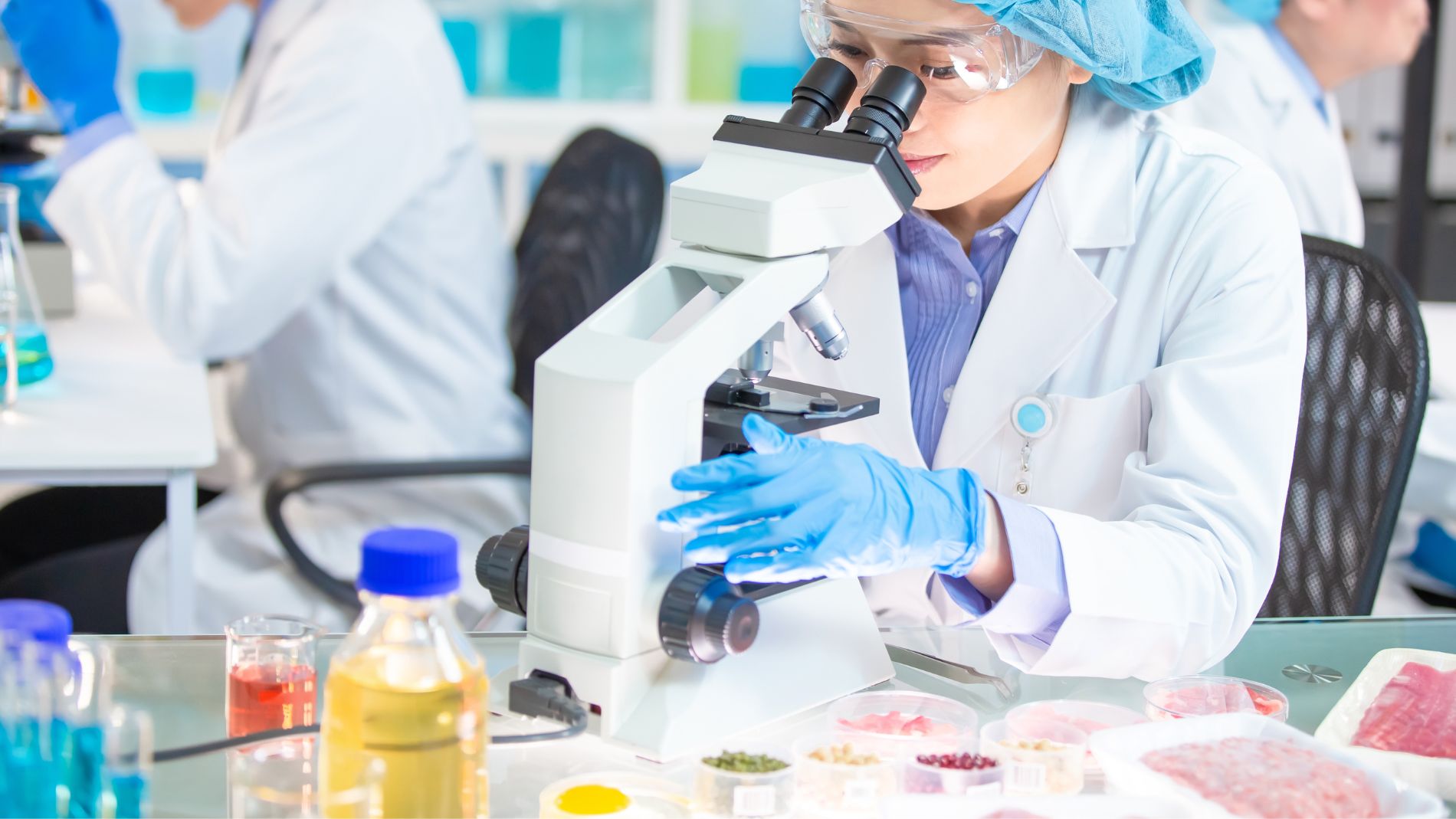
In Mexico, scientists at the Center for Research in Food and Development (CIAD) are exploring ways to improve both the nutritional value and environmental footprint of meat products. Their work spans the entire food system, from production and food safety to processing, preservation and human nutrition.
As the meat industry increasingly turns toward natural alternatives to synthetic additives, CIAD researchers are focusing on plant-based compounds derived from agro-industrial by-products.
In a recent study, the team developed a pork product enriched with extracts from coffee by-products, including husks, pulp, green coffee and roasted coffee, materials that would otherwise go to waste.
After evaluating their antioxidant properties, researchers found that green coffee extract delivered the strongest results. It effectively prevented fat and protein oxidation in pork while preserving key quality attributes such as pH and color. Further testing simulated digestion to assess how these compounds behave in the body. Of 27 identified polyphenols, 12 remained stable, suggesting potential health benefits.1
“This research represents an innovative approach that combines health, sustainability and the valorization of agro-industrial residues,” the team noted in a press release, highlighting new opportunities for functional, eco-friendly meat products.
Argentina leads the way in eco-friendly packaging

Further south, Argentina is tackling another major sustainability challenge by the name of plastic packaging.
The internationally acclaimed restaurant in Buenos Aires, Don Julio, has partnered with CONICET, the country’s national research council, to develop a biodegradable alternative to the plastic used in vacuum-sealing meat.
A multidisciplinary team at the Center for Research and Development in Food Cryotechnology (CIDCA) is working to create a material capable of preserving and aging meat without compromising quality.
The initiative was driven by restaurateur Pablo Rivero who sought to reduce the environmental impact of his operations. “Meat is part of our identity,” he said in a press release. “Argentina has made significant progress in sustainable livestock production, but replacing plastic would help complete the sustainability cycle from farm to table.”2
The project, also led by CONICET researcher Silvina Andrés, is expected to take five months to develop the optimal formulation and evaluate its feasibility. While biodegradable materials exist at the laboratory level, scaling them for industrial use remains a hurdle.
Researchers are now developing a formulation that could be implemented directly within the restaurant, ensuring food safety and extending shelf life. If successful, the solution could be applied more broadly across the food industry.
Also read: Argentina’s organic revolutionAdvanced diagnostics set to modernize Colombia’s pork industry
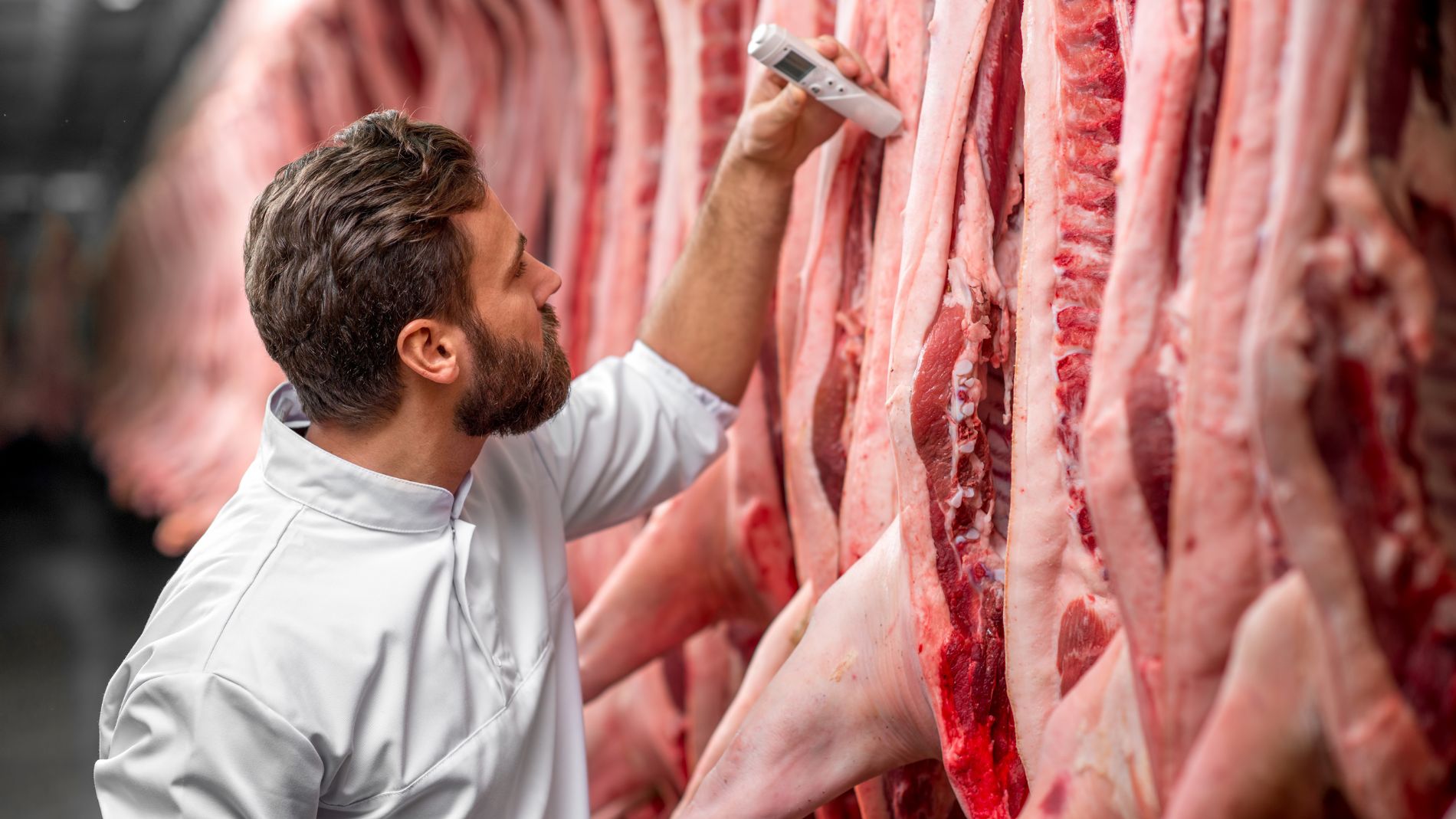
In Colombia, efforts are focused on strengthening animal health and meat production efficiency. Porkcolombia is preparing to launch a new animal and food diagnostic laboratory, a key component of its Pig Sector Research and Technology Transfer Center.
Located near Bogota’s international airport, the facility will provide comprehensive diagnostic services to pig producers, supporting faster and more accurate decision-making at the farm level. Equipped with multiple specialized laboratory areas, the center is expected to enhance disease monitoring, improve herd health and support compliance with international trade standards.
“In pig farming, timing is crucial,” said Corina Zambrano, executive vice president of Porkcolombia in a press release. “This laboratory will enable evidence-based decisions, helping farmers and veterinarians respond more effectively to health challenges.”
Starting in the second half of the year, the laboratory will provide the national pig farming industry with a comprehensive service, consisting of seven diagnostic areas, eight support sections and one administrative unit. It will provide precise results with the rapid response times needed on farms for decision-making. Diagnosis plays a central role in evidence-based swine medicine, incorporating experts, data and testing into the decision-making process to achieve better outcomes.3
Beyond immediate farm benefits, the initiative is expected to strengthen Colombia’s position in global pork markets by improving biosecurity and supporting export readiness. The center will also function as a regional think tank, by advancing research, innovation and knowledge-sharing across the sector.
Building skills for a stronger meat industry in Puerto Rico
Meanwhile, in Puerto Rico, a partnership between the U.S. Department of Agriculture (USDA) and the Inter American University of Puerto Rico aims to address a different but equally pressing issue: food security.
The two institutions are establishing the island’s first Meat and Poultry Processing Workforce Training Center, with campuses in Barranquitas and Guayama. Backed by a $950.000 USD federal grant, the four-year program seeks to build a skilled workforce and expand local meat production.
Puerto Rico currently produces less than 15% of the food it consumes, leaving it highly dependent on imports. Local production accounts for just 8,86% of beef, 3,4% of pork and 21% of chicken consumption.
“This project is not just about training. It’s a pathway to economic opportunity,” said project director Yesenia Rivera-Rivera. “It helps ensure access to fresh, locally produced food while reducing the risk of shortages.” 4
The program will train 110 students through a combination of hands-on laboratory experience and online learning, developed in collaboration with industry experts. A dedicated symposium will also bring together stakeholders from academia, agriculture and industry to share knowledge and best practices.
Also read: Latin American studies reveal the comprehensive health benefits of meat consumptionReimagining meat production for a sustainable future
Taken together, these initiatives signal more than isolated innovation. They reflect a broader transformation in how Latin America approaches meat production. By linking sustainability with science, and local challenges with global opportunities, the region is building a more resilient and competitive protein sector.
Whether through reducing dependence on imports, cutting plastic waste, improving animal health or turning by-products into high-value ingredients, these efforts point to a common goal of producing more with less impact.
As these models mature, they are likely to shape not only regional markets, but also global conversations about the future of food.
Sources
1 Subproductos de la industria del café: una alternativa innovadora para el desarrollo de productos cárnicos más saludables. Centro de Investigación en Alimentación y Desarrollo (CIAD). 18.03.2026. https://www.ciad.mx/subproductos-de-la-industria-del-cafe-una-alternativa-innovadora-para-el-desarrollo-de-productos-carnicos-mas-saludables/
2 Expertas del CONICET trabajan en el desarrollo de un innovador recubrimiento para reemplazar los plásticos que se usan en el envasado de carne al vacío. Centro de Investigación y Desarrollo en Criotecnología de Alimentos (CIDCA). 18.03.2026. https://cidca.conicet.gov.ar/expertas-del-conicet-trabajan-en-el-desarrollo-de-un-innovador-recubrimiento-para-reemplazar-los-plasticos-que-se-usan-en-el-envasado-de-carne-al-vacio/
3 El laboratorio de Porkcolombia será el ‘think tank’ líder en América Latina. Porkcolombia. 18.03.2026. https://porkcolombia.co/noticias/el-laboratorio-de-porkcolombia-sera-el-think-tank-lider-en-america-latina-portafolio
4 USDA funds poultry processing training center in Puerto Rico. WATTAgNet. 18.03.2026. https://www.wattagnet.com/broilers-turkeys/processing-slaughter/news/15704879/usda-funds-poultry-processing-training-center-in-puerto-rico