
Reading time: 3 minutes

Mr Hensgen, we’ve already discussed the establishment of QS in response to the BSE crisis in the main article. Here, I’d like to focus on the practical side of things: How is traceability made reliable in day-to-day operations?
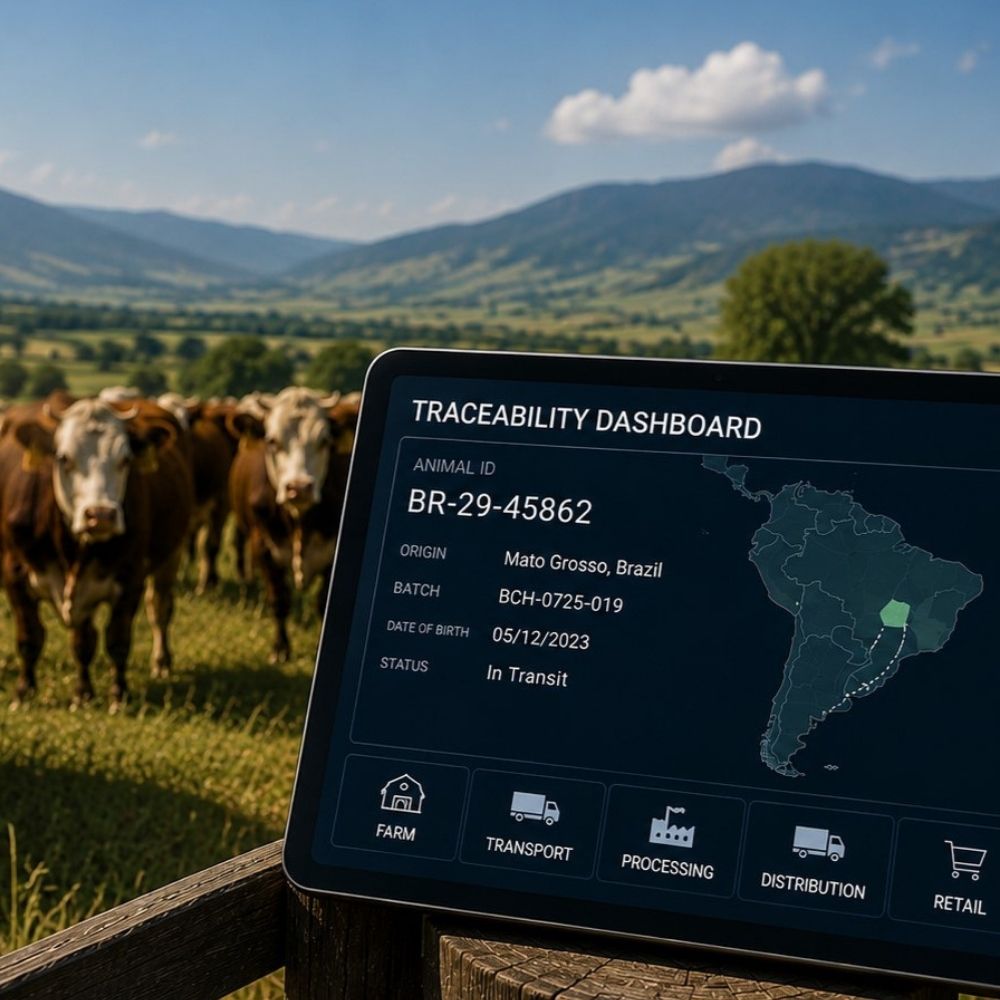
The QS-approach is cross-stage. We consider the entire supply chain. Other systems often certify only individual stages. QS links the stages together and defines responsibilities throughout the chain. It is crucial that traceability is not merely a paperwork process. We work with clear guidelines for methodology, documentation, and quantity reconciliation. The requirements apply regardless of the size of the operation. Whether small or large, data must be available, plausible, and authentic. This is precisely what is regularly probed.
What exactly does “certified” mean?
On several levels. First, internal operational controls. Second, external audits. Third, special audits when there are signs of deviation. In addition, we conduct traceability tests. The goal is not merely to meet formal requirements, but to ensure robust operational capability.
Many companies say that additional checks mainly create more bureaucracy. In your view, where does the actual impact originate?
The key lies in a risk-based approach. We do not follow a rigid, one-size-fits-all approach, but rather prioritize. Businesses with consistently strong performance may be assessed differently than those with irregularities. When deviations occur, we conduct more rigorous monitoring. This ensures that resources are allocated where the risk is actually higher.
That sounds like management based on data, not just checklists.
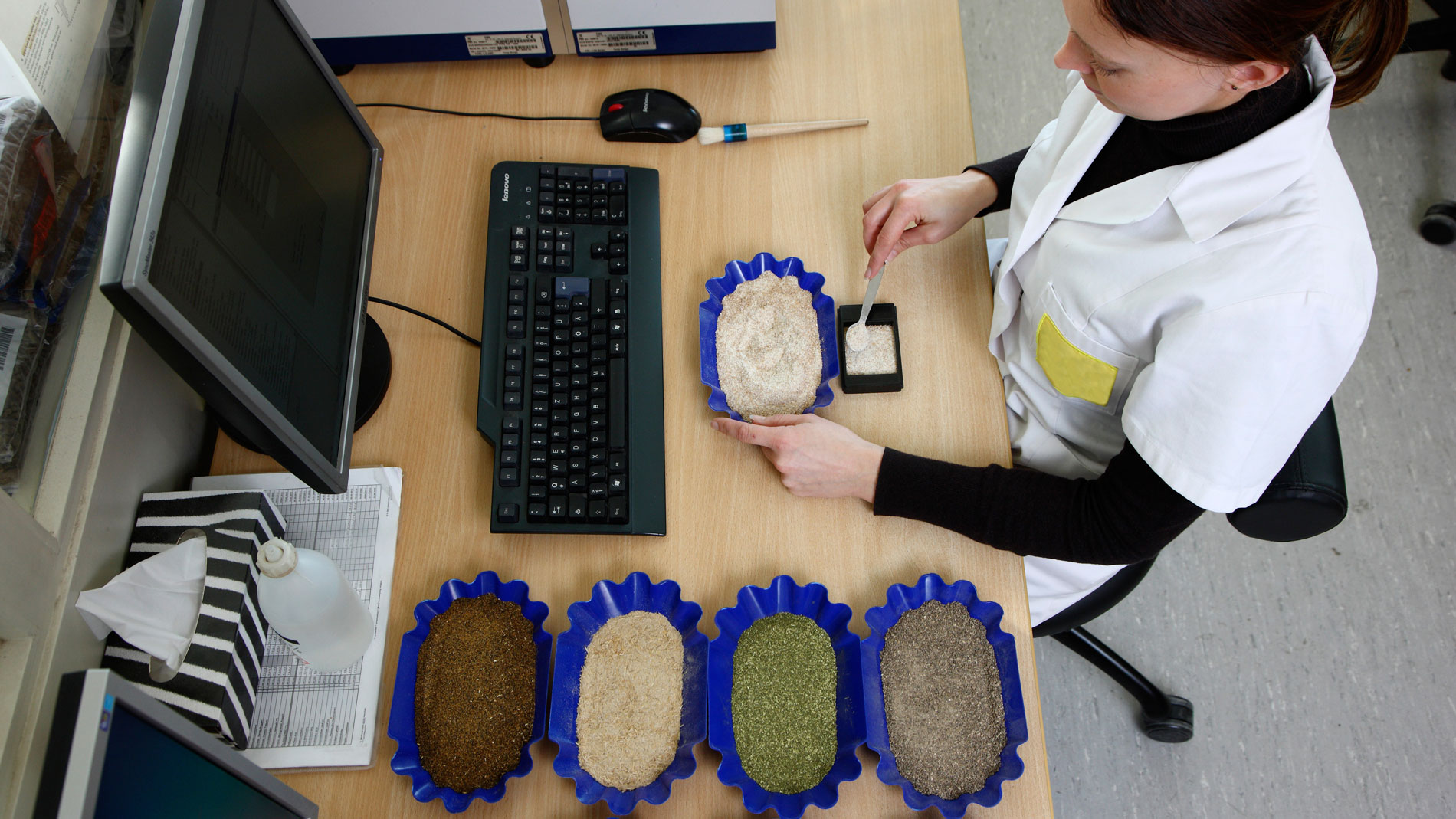
And that is why monitoring is so important to us. Quality assurance is not just about audits. We systematically incorporate monitoring procedures, such as salmonella monitoring, diagnostic data, and antibiotic monitoring. Data is analyzed and shared across all levels of the supply chain, for example from the slaughterhouse back towards the producers. This creates a learning process throughout the entire chain.
So, does that mean the added value also lies in feedback loops?
If data is merely collected without being fed back into decision-making, it has little impact. It is only through feedback that monitoring becomes a process of continuous improvement.
How do you manage international supply chains? That’s where traceability can become complicated rather quickly.
Supply chains do not stop at national borders. That is why uniform requirements are needed across all stages and places of origin. For QS the rule is: Any business can participate as long as the requirements are met. There are no special rules based on place of origin, instead there are uniform criteria. This is important for reliability and fairness.
Animal welfare is a topic of great interest to consumers. How can this be captured in data?
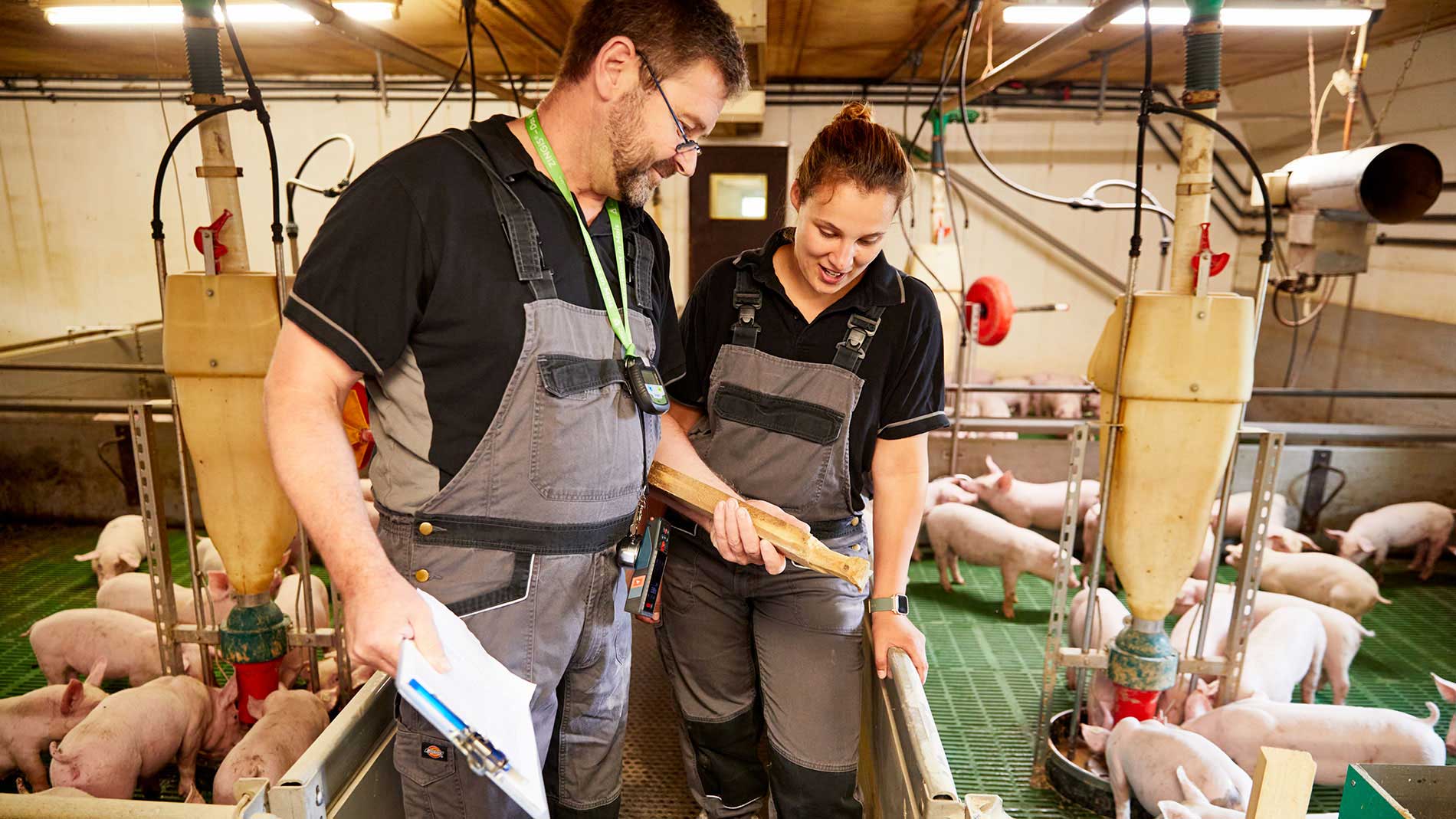
You can use inspection data and analyze it in a targeted manner. During audits, especially at slaughterhouses, specific areas of focus, animal welfare in this case, can be monitored, e.g. the quality of stunning.
Critics say: In heterogeneous chains, comparability is virtually impossible.
Comparability does not arise from everyone using the same technology, but rather from results being transparent and verifiable. We do not prescribe any specific solution. We define target levels and the quality of evidence. A highly automated large-scale operation and a smaller operation can use different tools—as long as traceability is dependable during an audit.
In other words, technology-neutral but evidence-based.
What matters to us is whether the system fits the operational reality and performs when it really counts.
In public debate, you often hear that if there is enough data, recalls can be avoided. Do you agree?
Not in this absolute sense. Recalls cannot simply be “digitally eliminated.” Technology and data can improve early detection, refine containment, and increase response speed. But the prerequisite always is, that the system used is validated and functions reliably. A false sense of security is a risk.
Photos: QS Qualität und Sicherheit GmbH/www.q-s.de