
Reading time: 2 minutes
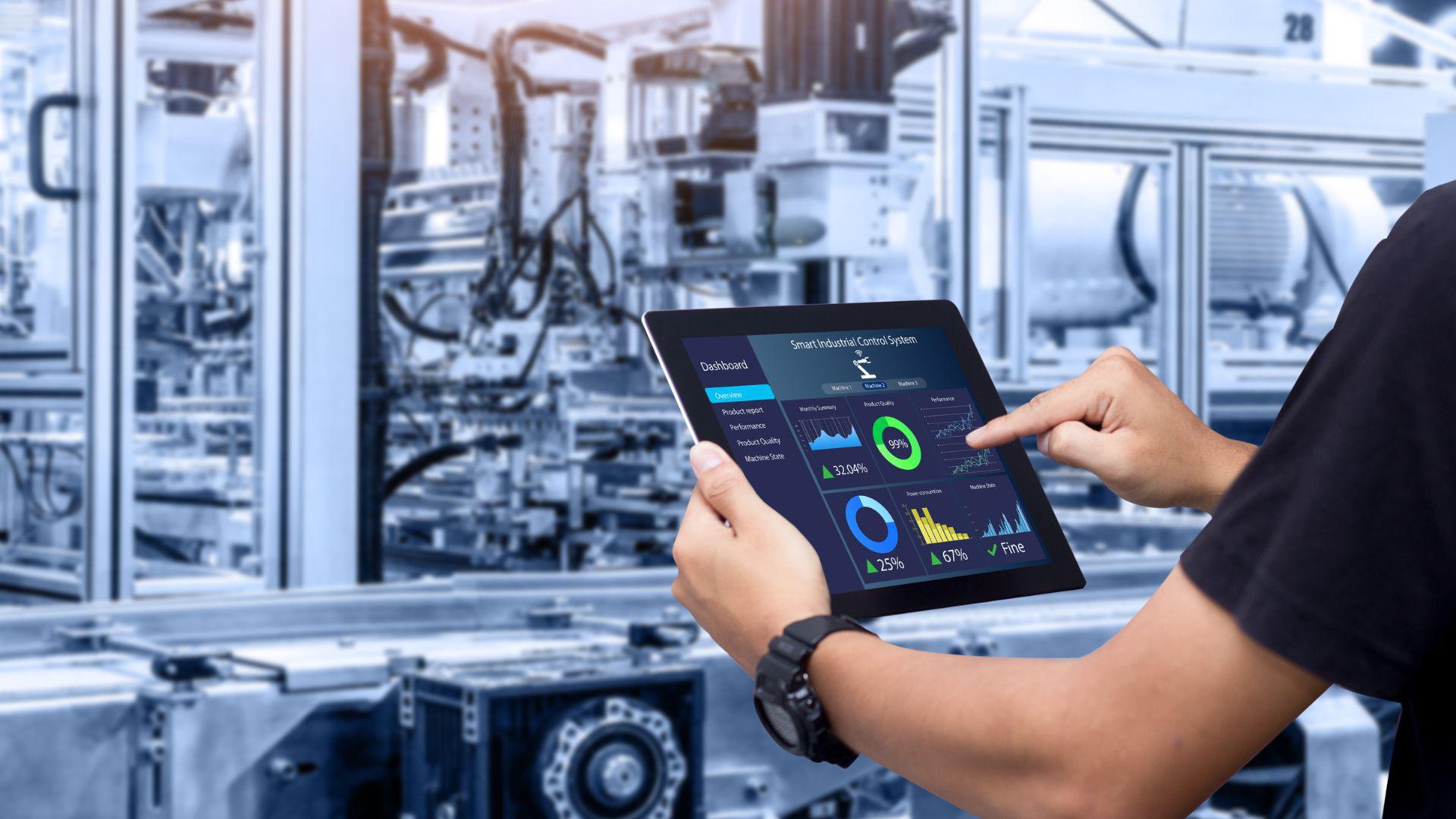
Smart manufacturing describes the use of digital technologies to optimise production processes. In the run-up to interpack, this article highlights the most important current developments.
By integrating artificial intelligence (AI), the Industrial Internet of Things (IIoT), big data, robotics and digital twins, efficiency, quality and adaptability can be significantly improved. At the same time, resources are used more precisely, waste is reduced and production costs are lowered.
Resource Efficiency: Using Resources in a Targeted Way
Resource efficiency plays a central role in energy-intensive production environments. Modern machine components such as sensors, energy-efficient drives and optimised heating systems help to reduce the consumption of energy, water and raw materials while ensuring product quality.
Even greater potential lies in the holistic optimisation of processes. For example, energy-efficient ovens can significantly reduce energy demand in industrial baking processes. In addition, heat recovery enables more efficient use of existing energy. Innovative technologies in confectionery production also reduce water and energy consumption significantly.
Automated cleaning systems such as cleaning-in-place (CIP) ensure standardised and resource-efficient hygiene concepts. Intelligent cleaning solutions adjust their performance according to demand, thereby reducing the use of water, energy and cleaning agents while maintaining consistently high cleaning quality.
AI & Intelligent Systems: Smart Processes in Real Time
The use of AI and intelligent systems enables data-driven control of production processes. Companies benefit from higher overall equipment effectiveness, improved resource utilisation and more flexible production workflows.
Robot-based automation using pick-and-place systems and collaborative robots (cobots) increases precision, speed and adaptability. In combination with vision systems, products can be reliably detected, inspected and sorted – even with varying formats.
AI-supported analyses transform large volumes of data into actionable insights. This makes it possible to detect deviations at an early stage and optimise processes in a targeted way. Machine learning and deep learning enable systems to identify patterns and make autonomous decisions. Digital twins provide additional advantages: production processes and systems can be simulated and optimised virtually before being implemented in reality. This shortens development times and reduces risks.
Digital technologies are also becoming increasingly important for transparent supply chains. Blockchain-based solutions enable seamless traceability of materials and support documentation across the entire value chain.
Value from Data: Generating Value through Data Analysis
Connected machines generate large volumes of data that can be used to optimise production. Real-time analyses improve process control, reduce waste and increase productivity. Condition monitoring enables continuous tracking of machine status. Building on this, predictive maintenance forecasts potential failures and defines optimal maintenance intervals. This increases system availability, reduces downtime and lowers maintenance costs. Especially in sensitive production areas such as cleanrooms, the targeted use of automation and efficient technology helps to reduce operating costs – without compromising hygiene and product safety.
Smart manufacturing is a key lever for greater efficiency, quality and sustainability in the food and packaging industry. Companies that consistently implement digital technologies optimise their processes, reduce costs and strengthen their competitiveness in the long term.
Header image: Canva
Full article
The original article and further information on this topic can be found at VDMA under the interpack Top Theme:
interpack Top Thema: Smart Manufacturing - vdma.eu - VDMA