
Reading time: 6 minutes
Kazakhstan is not a typical emerging market. The country has a millennia-old tradition of livestock farming - cattle represented sustenance, currency and status symbol for its nomadic forebears. This cultural foundation is reflected today in a remarkable degree of self-sufficiency: Kazakhstan meets its domestic demand for beef, lamb and horse meat entirely from its own production2. In 2025, total meat production across all species reached 1.2 million tonnes - a new record high2.
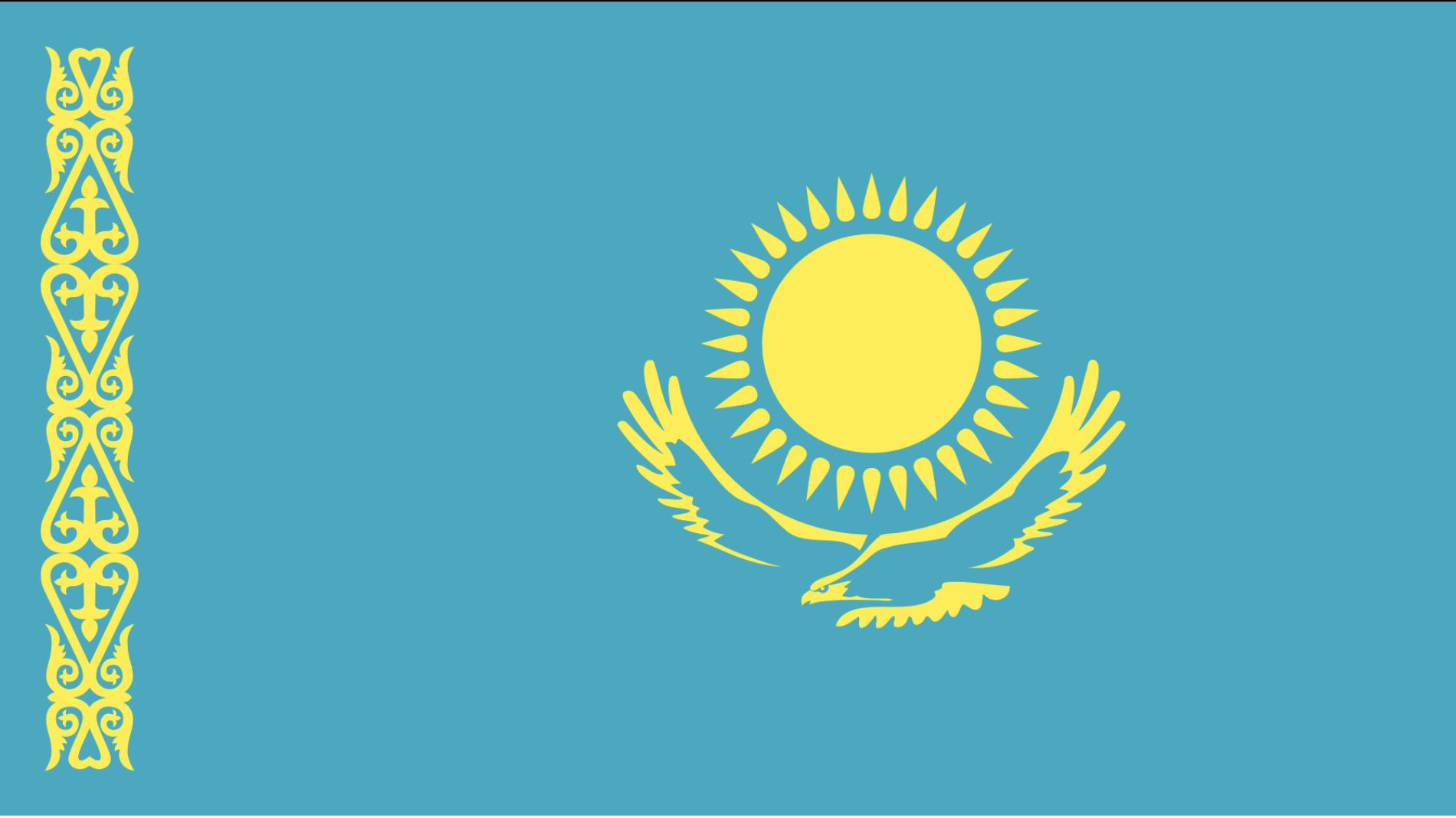
Country Profile Kazakhstan
| Country Profile | |
|---|---|
| Country: | Republic of Kazakhstan (Kazakstan Respublikasy) |
| Location: | Central Asia, landlocked state |
| Bordering countries: | Russia, China, Kyrgyzstan, Uzbekistan, Turkmenistan |
| Area: | 2,724,900 km² |
| Capital: | Astana (since 10 December 1997) |
| Population: | approx. 20.5 million (2025) |
| Population density: | 7 inhabitants per km² |
| Currency: | Kazakhstani tenge (KZT), 1 EUR = 541.14 KZT (as of 25.04.2026) |
| State language: | Kazakh |
| Official language: | Russian (inter-ethnic communication) |
| Number of regions: | 17 |
At the same time, the country is opening to international markets: meat exports grew by nearly 25 per cent in the first eleven months of 20252. New markets are being actively developed in the EU, the United Kingdom, the United States, Canada and the Gulf states2. What distinguishes Kazakhstan in this regard is that the shift is no longer solely about raw commodity exports - the government has made a clear strategic commitment to added-value processing.
Yet a gap exists between ambition and reality that is highly relevant for international technology providers. The processing sector lags considerably behind production growth. According to the German Federal Ministry of Food and Agriculture, 80 per cent of Kazakhstan's land area can be used for agricultural purposes13 - the potential is substantial, and so is the need for modernization in processing. This report provides an overview of production, market structure and the outlook for Kazakhstan's meat market.
Production: Structural Shifts with Regional Characteristics
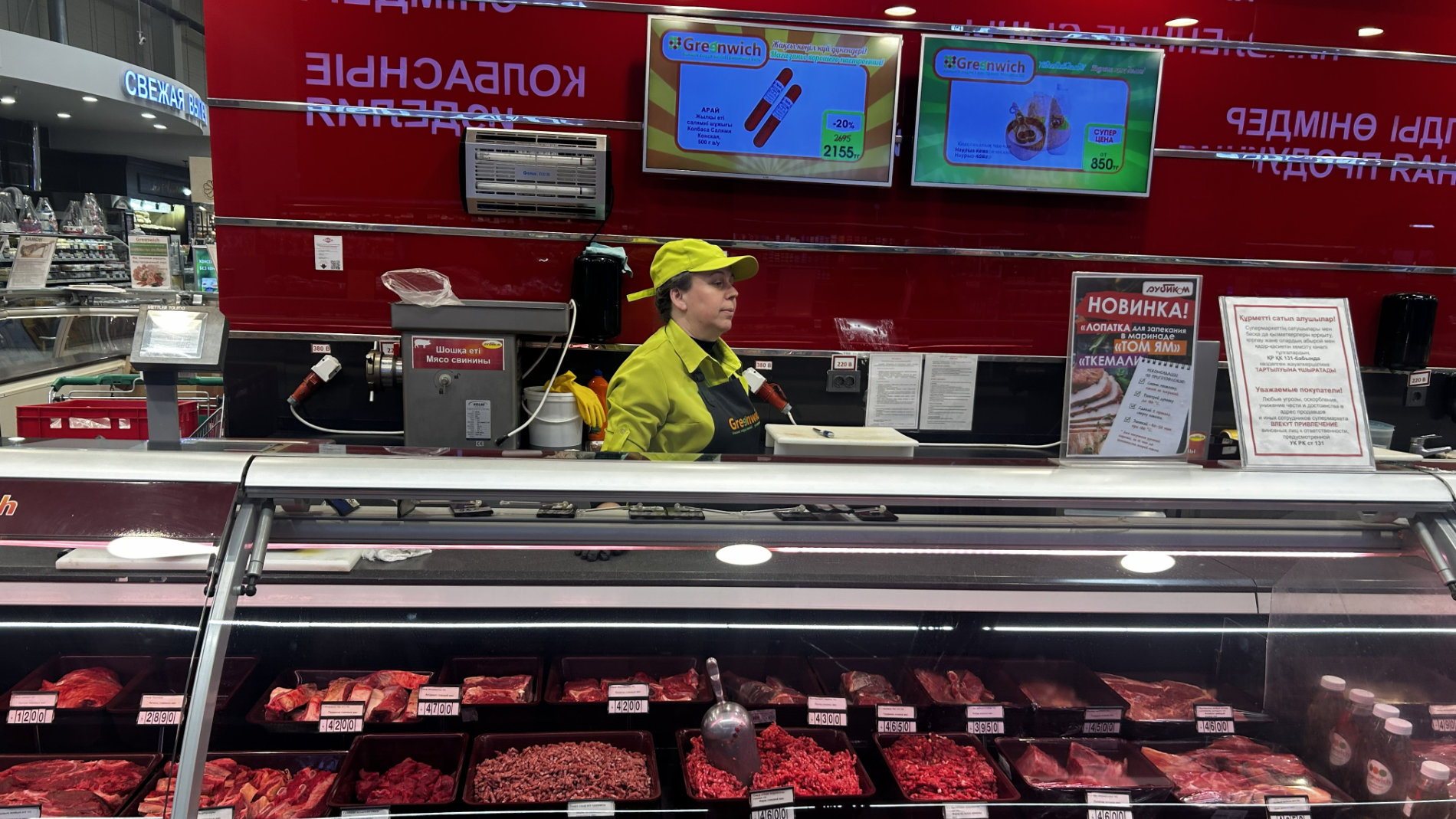
Between 2014 and 2025, Kazakhstan's meat sector underwent profound structural change4. Beef production rose by 18 per cent to 567,000 tonnes (2023), making Kazakhstan the leading beef producer in Central Asia - with output 2.5 times greater than that of Uzbekistan4. Key drivers included export agreements with China and the development of production clusters in the Turkestan region4. The most dynamic segment was poultry, which increased by 135 per cent to 340,000 tonnes over the same period, supported by the expansion of large-scale poultry operations under the state programme Agrobusiness-20254. Lamb production remained broadly stable but lost ground in relative terms. Pork production recorded a significant decline - attributed to falling domestic consumption and competitive pressure from Russian suppliers, which smaller operations struggled to withstand1. This trend is also reflected in consumption figures: in 2024, pork accounted for the smallest share of total domestic consumption at 57,800 tonnes (see Chart 1)9. In the northern regions - Pavlodar, North Kazakhstan and Karaganda - pork nonetheless remains an economically significant segment.3, own research
The farm structure reveals a clear efficiency gap: agroholdings account for 55 per cent of national production and achieve profitability of between 18 and 22 per cent, whilst household farms - despite contributing 15 per cent of output - achieve only 5 to 8 per cent profitability4. The reasons lie in high levels of manual labour and a lack of own processing capacity. This structural disparity is one of the sector's central challenges - and an indicator of where investment is most urgently required.
Domestic Market, Key Players and Export Dynamics
Kazakhstan's domestic meat market is large and culturally diverse. In 2024, approximately 1.2 million tonnes of meat were consumed, with around 90 per cent sourced from domestic production9. Poultry and beef lead consumption, followed by horse meat - a product largely unknown in Europe but deeply embedded in Kazakhstani culture9. Of cultural significance is Kazy - a traditional Kazakhstani horse meat speciality regarded as a delicacy, which is now also produced and distributed in Germany12. This underscores the export potential of Kazakhstani meat specialities on European markets12.
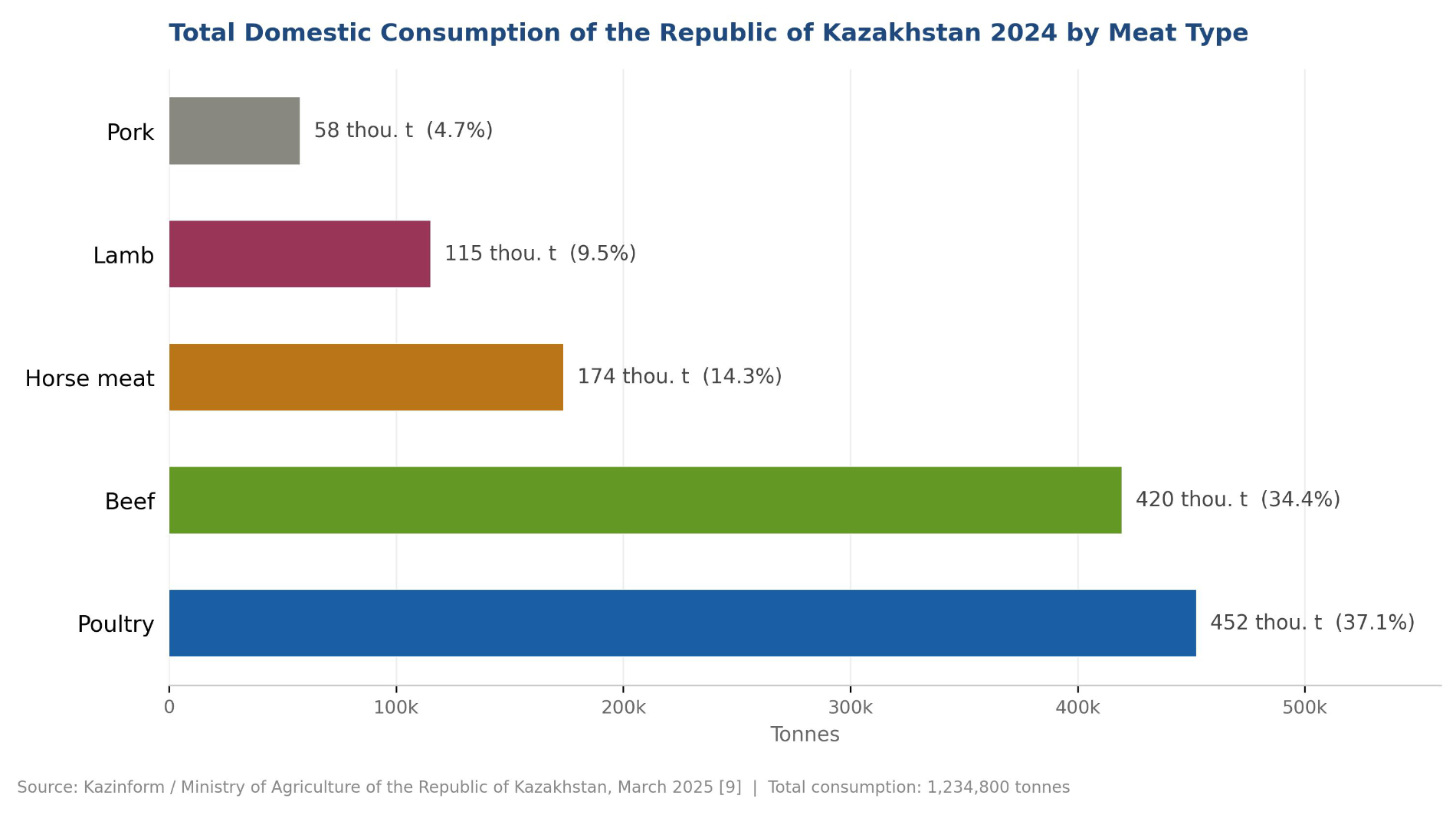
Total domestic consumption of the Republic of Kazakhstan 2024; Source: Kazinform 2025
Regional consumption patterns differ markedly: in the predominantly Muslim south, beef, lamb and horse meat dominate1. The processing landscape in 2021 comprised 175 facilities for red meat, operating at an average utilisation rate of 55 per cent10.
Processing: Significant Modernization Needs and First Benchmarks
Kazakhstan's meat processing sector faces a fundamental modernization challenge. The country operates 210 meat processing facilities with a combined annual capacity of 450,000 tonnes5 - yet according to Daribayeva et al. (2025), only 35 per cent of these facilities meet international quality standards, and 60 per cent of equipment is considered outdated4. Structural weaknesses compound the picture: cold chain infrastructure is lacking in the southern regions, and 70 per cent of feed premixes are imported4. Since 2024, pilot projects have been under way to introduce Australian pasture management techniques, and the KazMeatCluster in the Turkestan region is emerging as a model of vertical integration, having already achieved cost reductions of 25 per cent through its own feed base and automated feeding systems4.
The modernization need is also reflected in market data: Kazakhstan's agricultural machinery market was valued at USD 550 million in 2024, with USD 200 million in imports – led by Russia, followed by the United States, Germany and others8. Some 80 per cent of equipment has exceeded its lifecycle8. The government subsidises modernization investments by up to 30 per cent for locally assembled machinery and 25 per cent for specialized imports, with a leasing rate of seven per cent8.
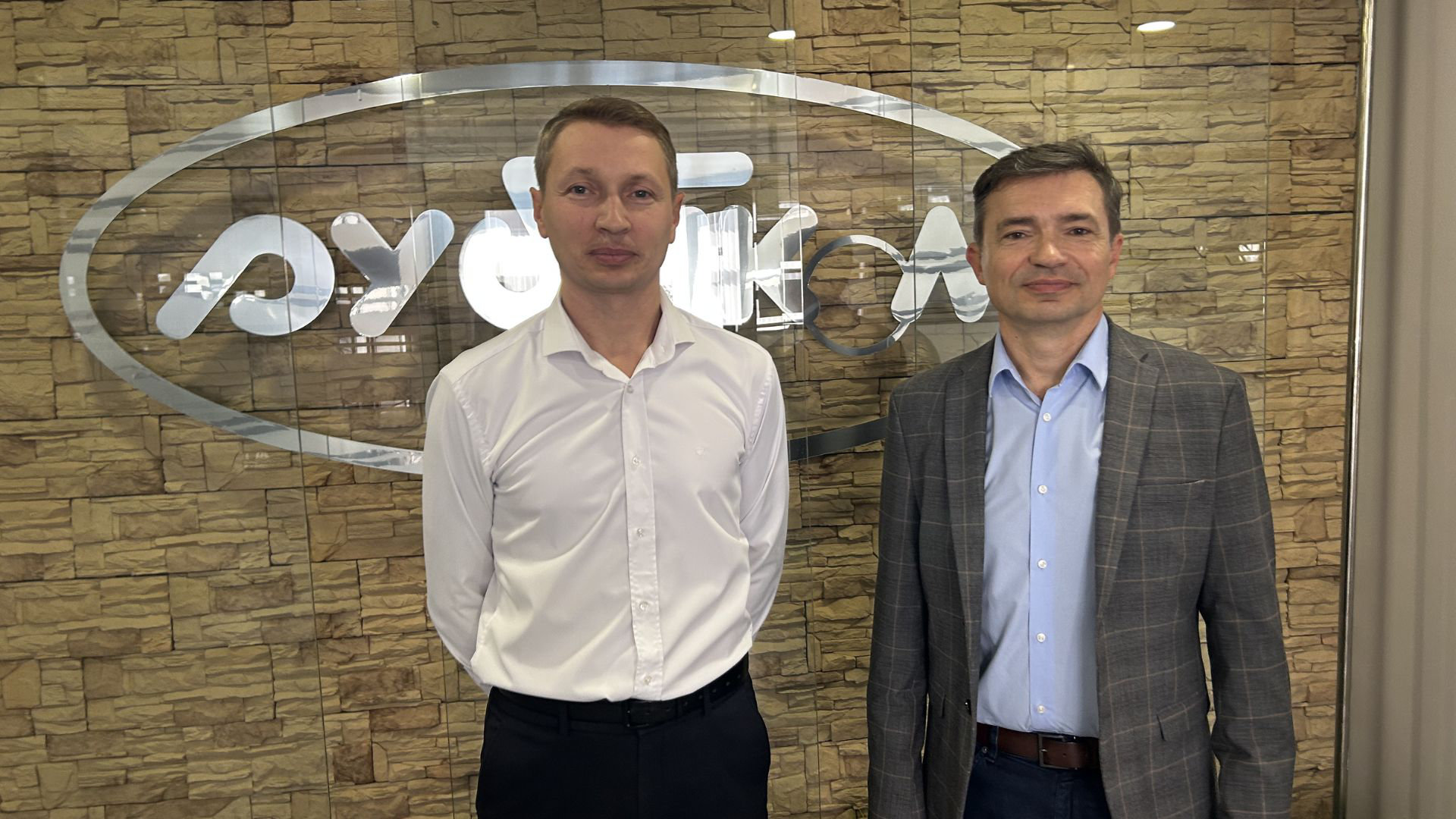
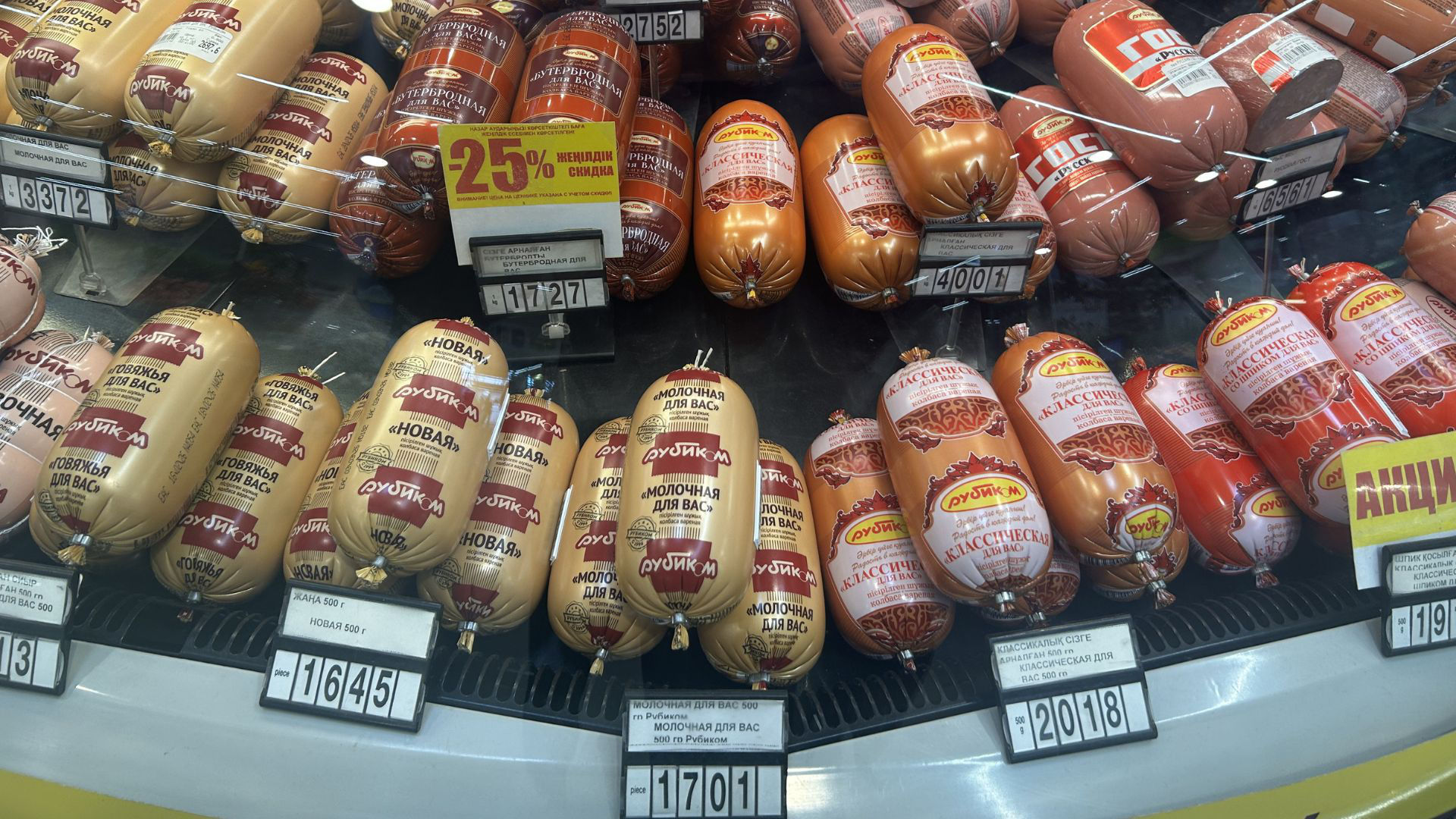
What vertical integration means in practice is illustrated by Rubikom TOO, based in Pavlodar. With an annual processing capacity of over 12,000 tonnes and around 2,000 employees, it is one of Kazakhstan's largest meat processors. Since its founding in 1994, the company has consistently pursued a fully integrated production chain – from grain cultivation on its own land through feed production and pig farming to processing and marketing of finished products. "Vertical integration begins for us with the grain - that is the foundation for everything that follows", explains Co-Founder Oleg Bezverhov.
The raw material mix is clearly structured: pork accounts for around 60 per cent, beef for approximately 10 per cent. The product range encompasses around 200 types of meat and sausage products. Cooked sausage is the leading category at approximately 40 per cent, followed by frankfurters - including Viennese-style sausages - at around 38 per cent, complemented by ham and delicatessen products. In terms of innovation, the company is developing marinated grilling products with barbecue and Georgian-style sauces, responding to growing demand for ready-to-eat products.
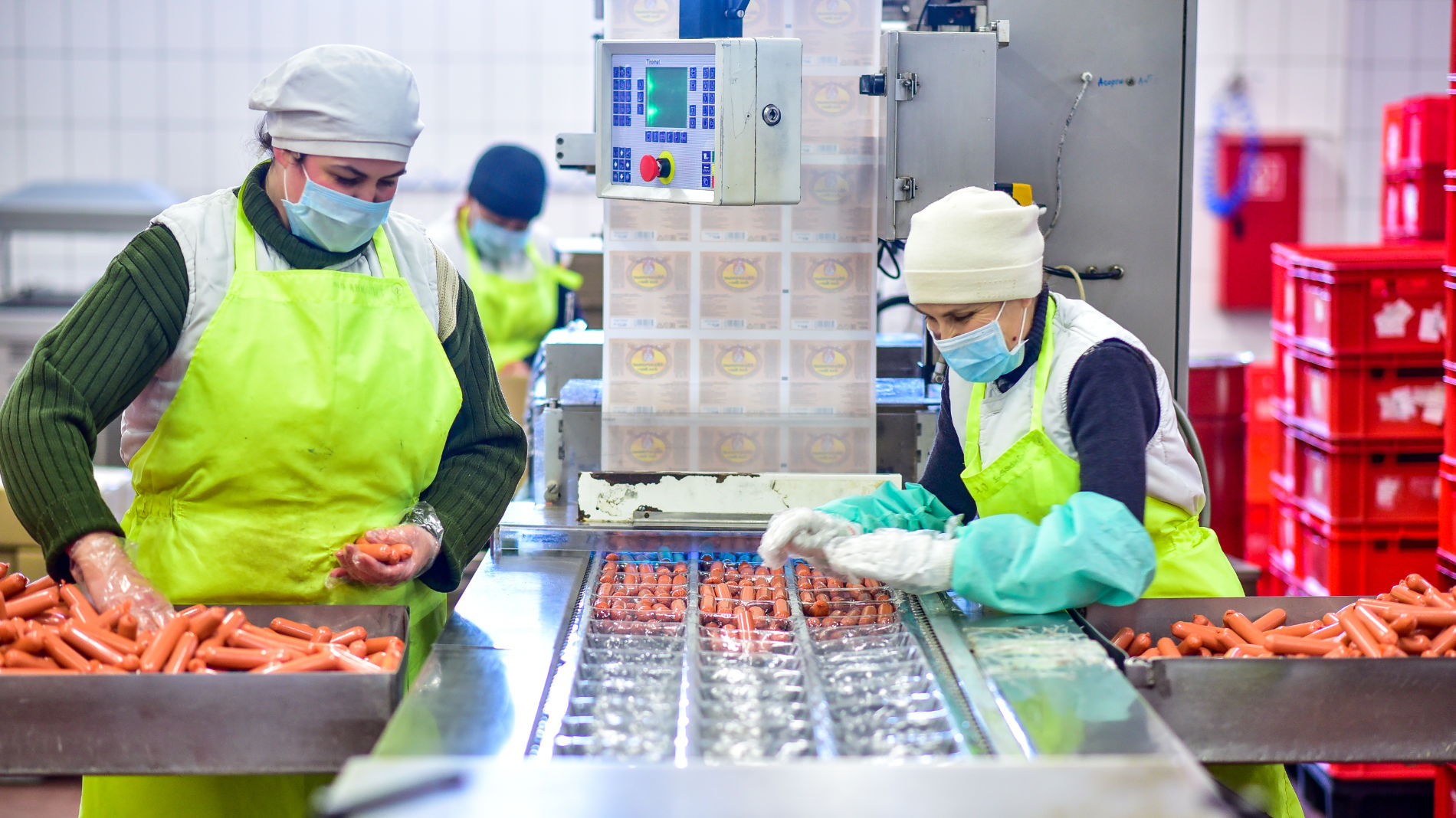
Between 2022 and 2025, Rubikom achieved cumulative revenue growth of 32 per cent. In packaging technology and machinery, the company works closely with German manufacturers, including Poly-Clip System and Handtmann. According to the company, German solutions in this area are currently indispensable, as no equivalent alternatives are available on the Kazakhstani market.
Oleg Bezverhov identifies the key current challenges as: a shortage of qualified personnel in quality management, bureaucratic obstacles despite state support programmes, and the fact that ISO standards are currently upheld primarily by large enterprises, whilst smaller operations work to national technical specifications14.
Outlook: Strong Potential – Modernization is the Key
Kazakhstan is a meat market with solid fundamentals: production is growing, domestic supply of beef, lamb and horse meat is secured, and export momentum is building. Through its national livestock development programme 2026–2030, the Kazakhstani government has set concrete targets: total meat production across all species is to rise to 1.8 million tonnes, and meat exports are to be doubled to 165,000 tonnes2. By 2028, processed food products are to account for 70 per cent of agricultural exports7.
Achieving these goals requires an expansion of processing infrastructure and closer collaboration with international technology providers across slaughter, cold chain and packaging8. The modernization need is documented, state support for imported equipment is in place8, and the willingness of Kazakhstani market leaders to cooperate with international technology partners has been demonstrated in practice. Kazakhstan is actively working to meet the logistical and certification requirements of European markets - demonstrating its commitment to establishing itself as a reliable export partner7.
Sources
1 Own on-site research, 25 March – 3 April 2026, Astana and Pavlodar.
2 Kazinform / Ministry of Agriculture of the Republic of Kazakhstan (03.02.2026): Cattle numbers in Kazakhstan to reach 12 million head. URL: https://www.inform.kz/ru/pogolove-krupnogo-skota-v-kazahstane-dovedut-do-12-mln-golov-be6184 - Accessed 20.04.2026
3 Bureau of National Statistics Kazakhstan (2025): Main indicators of livestock development in the Republic of Kazakhstan. URL: https://stat.gov.kz/en/industries/business-statistics/stat-forrest-village-hunt-fish/publications/343750/ - Accessed 20.04.2026
4 Daribayeva, A., Alina, G., Nurgaliyeva, A., Ukubassova, G., & Tursumbayeva, M. (2025): Kazakhstan's meat market: Analysis of production, consumption, and export. Scientific Horizons, 28(5), 90–101. doi: 10.48077/scihor5.2025.90 https://sciencehorizon.com.ua/en/journals/tom-28-5-2025/rinok-m-yasa-v-kazakhstani-analiz-virobnitstva-spozhivannya-ta-eksportu - Accessed 20.04.2026
5 TV BRICS (06.03.2026): Kazakhstan expands agricultural processing as farm output and exports rise. URL: https://tvbrics.com/en/news/kazakhstan-strengthens-agricultural-processing-as-production-and-exports-rise/ - Accessed 20.04.2026
6 Times of Central Asia (29.12.2025): Kazakhstan Meat Exports Surge in 2025. URL: https://timesca.com/kazakhstan-meat-exports-surge-in-2025/ - Accessed 20.04.2026
7 Euronews Business (22.04.2026): How this country is building a regional food processing hub. URL: https://www.euronews.com/business/2026/04/22/how-this-country-is-building-a-regional-food-processing-hub - Accessed 20.04.2026
8 U.S. Commercial Service / Trade.gov (2022): Kazakhstan - Agricultural Sector. URL: https://www.trade.gov/country-commercial-guides/kazakhstan-agricultural-sector - Accessed 20.04.2026
9 Kazinform / Ministry of Agriculture of the Republic of Kazakhstan (24.03.2025): How much meat do Kazakhstanis consume per year. URL: https://www.inform.kz/ru/skolko-myasa-v-god-potreblyayut-kazahstantsi-771c13 - Accessed 20.04.2026
10 ElDala.kz / Ministry of Agriculture of the Republic of Kazakhstan (17.02.2021): Top 7 meat processing companies in Kazakhstan. URL: https://eldala.kz/rating/4143-top-7-myasopererabatyvayushchih-kompaniy-kazahstana - Accessed 20.04.2026 (data as of 2021)
11 Kazinform (27.04.2026): When Kazakhstan may lift the ban on livestock and meat imports from Russia. URL: https://www.inform.kz/ru/kogda-kazahstan-mozhet-snyat-zapret-na-vvoz-skota-i-myasa-iz-rossii - Accessed 20.04.2026
12 Kazy Premium (Germany): Product description - Kazy, traditional Kazakhstani horse meat speciality. URL: https://kazy-premium.de/product/kazy-frisch/ - Accessed 20.04.2026
13 Federal Ministry of Food and Agriculture, Germany (BMLEH): Kazakhstan - Agriculture and Food. URL: https://www.bmleh.de/SharedDocs/Praxisbericht/DE/BKP_BTF/kasachstan_apd.html - Accessed 20.04.2026
14 Interview: Oleg Bezverhov, Co-Founder of Rubikom TOO, Pavlodar, Kazakhstan (2026). Personal interview conducted on site.
Headerimage: Zhanar Sadyk