Reading time: 3 minutes

Mr Schramm-Völkening, why are fungi increasingly being seen as a platform technology for new food products?
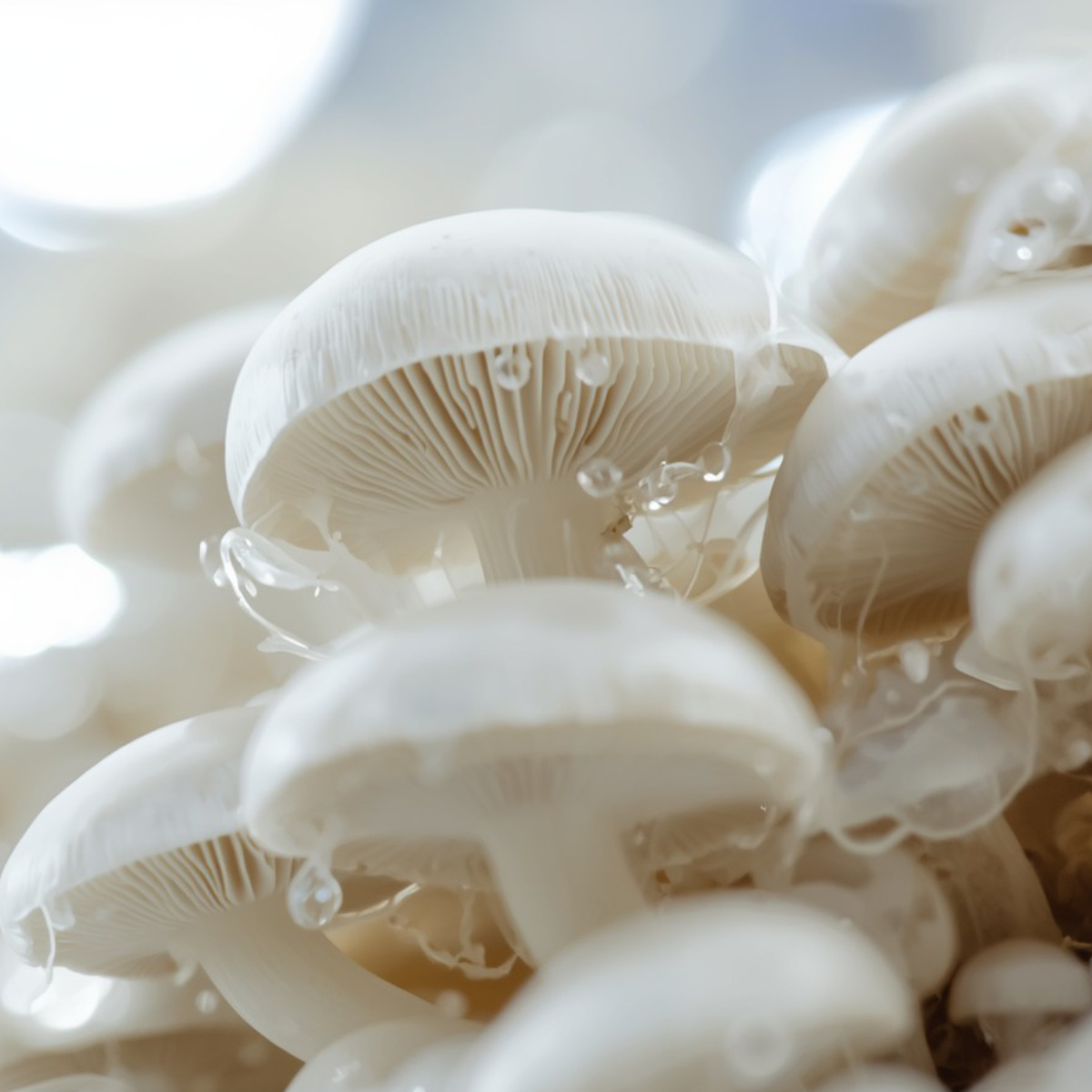
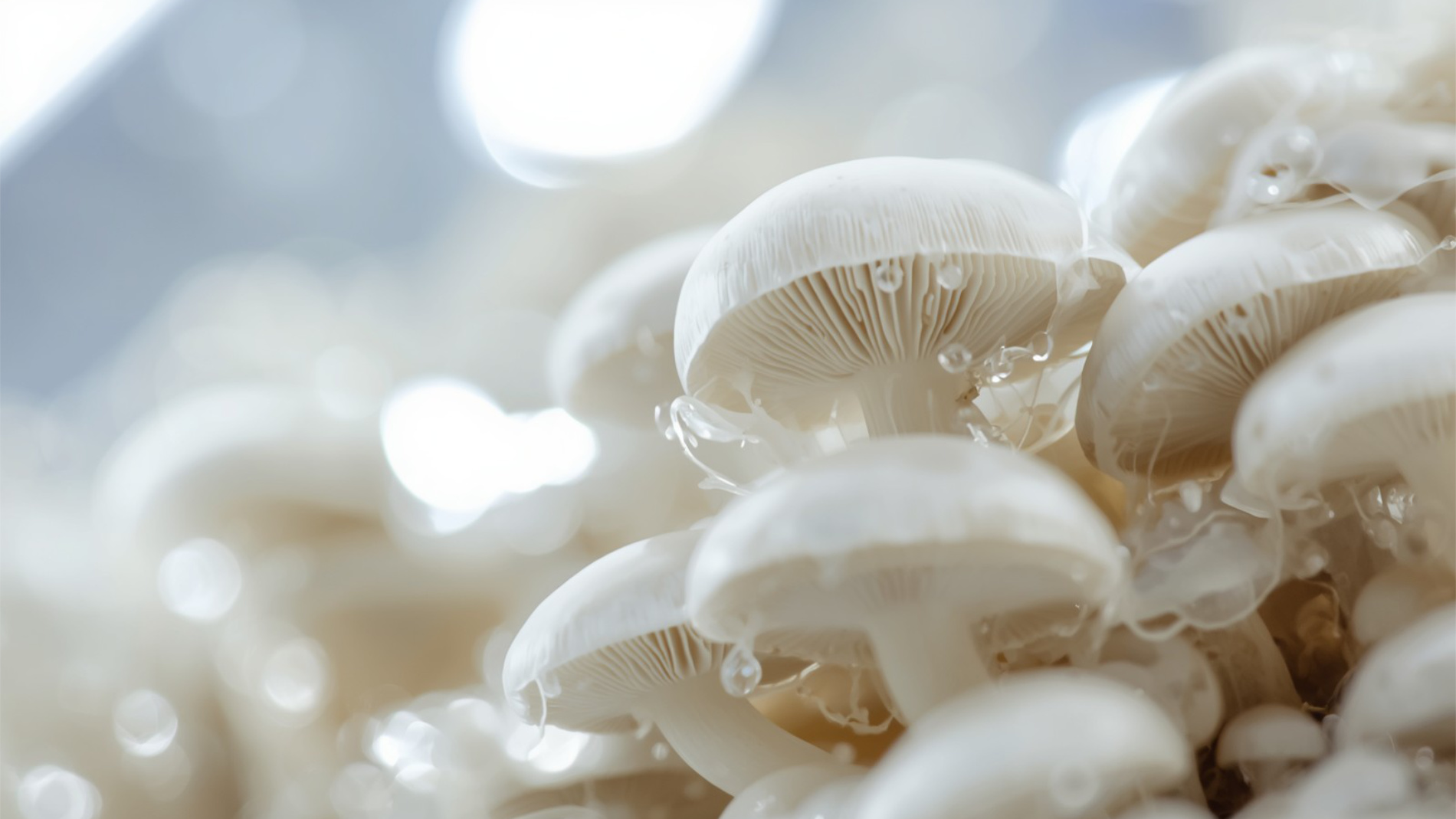
Fungi are far more than just another source of protein. Their mycelium – the fine network of fungal filaments that forms the fungal organism – has a huge potential because it can metabolise a wide variety of raw materials and convert them into high-quality, protein-rich biomass.
This makes mycelium fermentation a highly versatile technology for food production. Depending on the raw materials used and the process controls, the result is food ingredients with a wide range of functional properties.
What makes this really exciting is that we can use sidestreams from the food industry, such as oat okara, sour whey or residues from starch and sugar production, to transform previously underutilised sidestreams into high-quality mycoprotein. This opens up new opportunities for a regional circular economy and decentralised food production.
What roles do fermentation and mycoprotein play in protein transformation?
Key roles. Fermentation is the technological basis for making these resources usable in the first place. In biomass fermentation, we cultivate fungal mycelium – often referred to as mycoprotein – as a food ingredient. The mycelium possesses many functional properties by nature. Its fibrous structure resembles animal muscle tissue and is therefore particularly well-suited to texturizing food. It improves texture and juiciness and can effectively supplement or replace meat fibres.
In my opinion, however, the discussion often heads in the wrong direction. It is not a question of one protein source replacing all the others. Every protein source has its own functional strengths – animal proteins just as much as plant-based or mushroom-based ones. The crucial question is therefore no longer, ‘Which protein replaces which?’, but rather, ‘Which protein best fulfils the required function for which application?’ Therefore, protein transformation is primarily set to be characterised by intelligent combinations of different sources of protein.
For many consumers, fungi are primarily associated with meat substitutes. What other new product categories and applications are emerging?
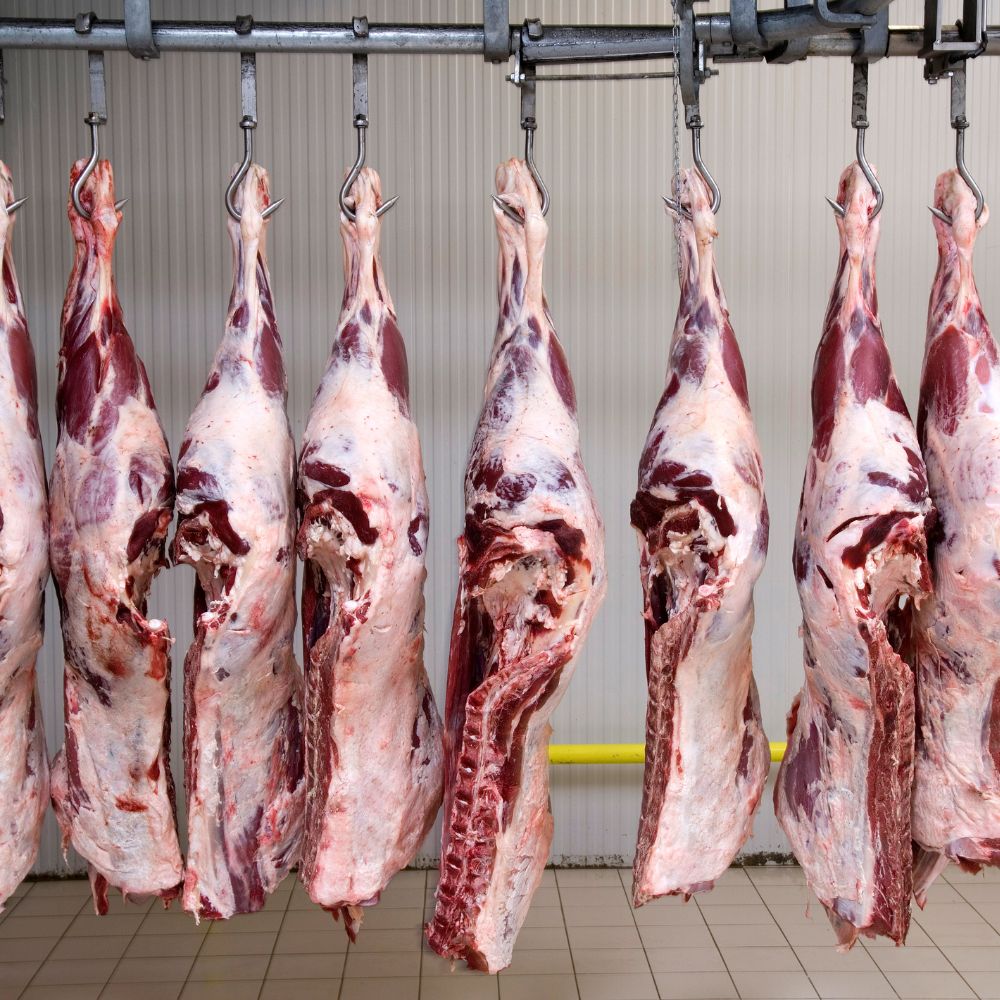
Interestingly, we do not see plant-based steaks as having the greatest potential. The food market consists mainly of products with complex recipes, such as cold cuts, sausages, burgers, meatballs, fish substitutes, and ready-to-eat products. And these are precisely the areas where the functional properties of mycoprotein can be put to good use.
Looking ahead, we believe that hybrid products have a particularly large potential because they combine the strengths of different protein sources: meat provides a familiar flavour, plant proteins contribute sustainability benefit, and fungal proteins deliver texture, juiciness and functional properties. The future will therefore be characterised less by an ‘either/or’ approach and more by the intelligent interaction of different proteins. Moreover, fungus-based ingredients open up new horizons for functional foodstuffs – an area of development that, in our opinion, will continue to grow in importance over the coming years.
What are the prerequisites for fungi-based foods to break into the mass market?
We need to focus more on the benefits than on the technology. Consumers are not primarily interested in production processes but in taste, quality, price and reliability. If products meet these criteria, the underlying technology is of secondary importance.
How do you see Kynda and the fungi-based food industry in five to ten years’ time?
In ten years, we will no longer be debating whether fungal proteins are a genuine alternative: they will be a natural part of our diet. The question then will be how many products contain fungal proteins – without consumers even being aware of this.
Our aim is to make mycoprotein / fungal mycelium the go-to functional B2B ingredient for a wide variety of foodstuffs, from hybrid meat products and plant-based concepts to functional foods. Our focus is not on launching our own consumer brand but on developing a multi-purpose ingredient that enhances food products in terms of their sensory qualities, processing properties and nutritional value.
Sources
Kynda Biotech GmbH, 13.08.2026
Vera Meyer, Sven Pfeifer: Engage with Fungi. Berlin: 2022.