Reading time: 3 minutes
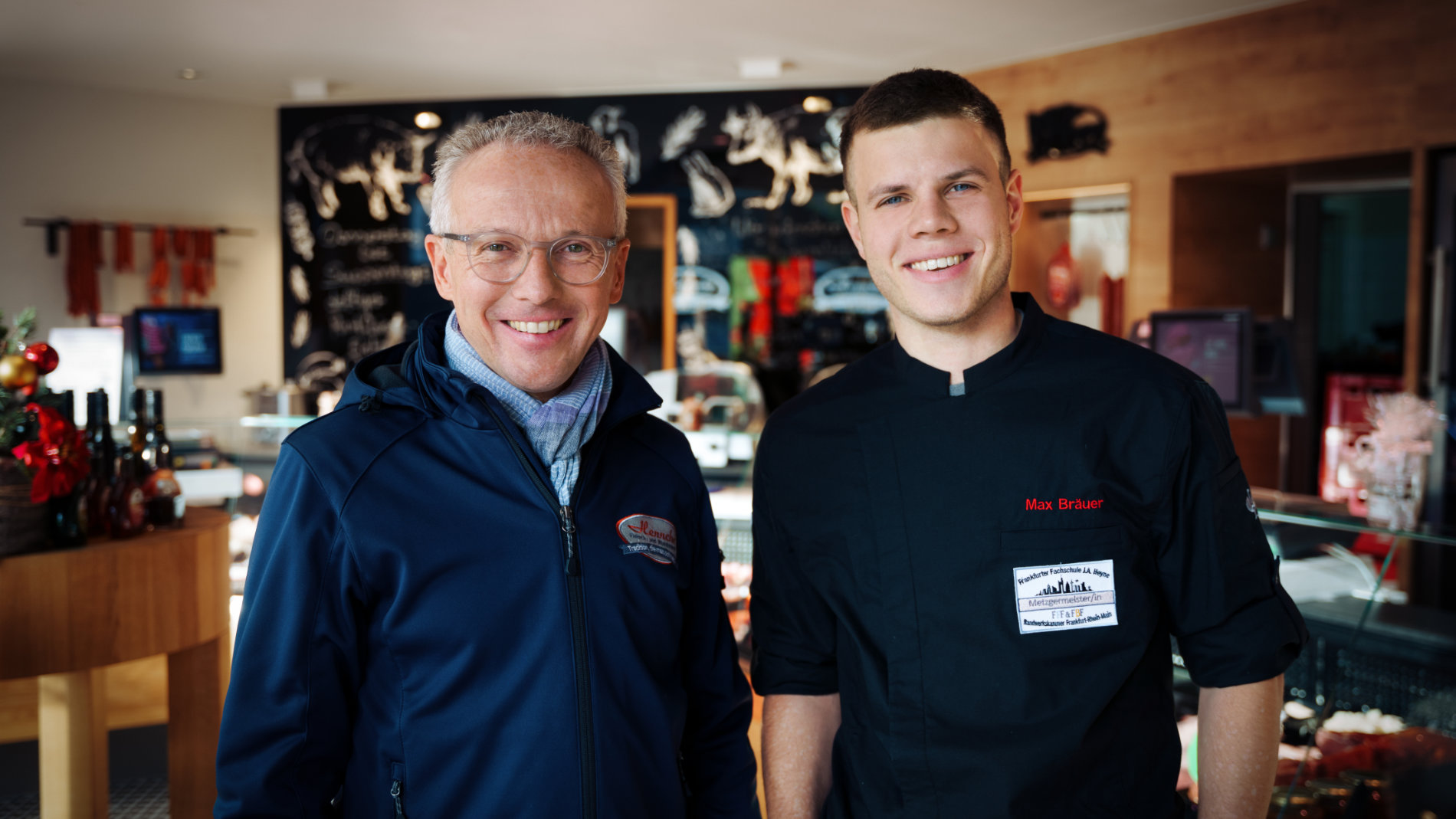
Behind the unassuming façade lies a business that has remained true to its roots while constantly evolving. There, where Klaus Bräuer runs the company with a clear focus on quality, animal welfare and sustainability, traditional craftsmanship meets modern standards.
A family business now in its fourth generation
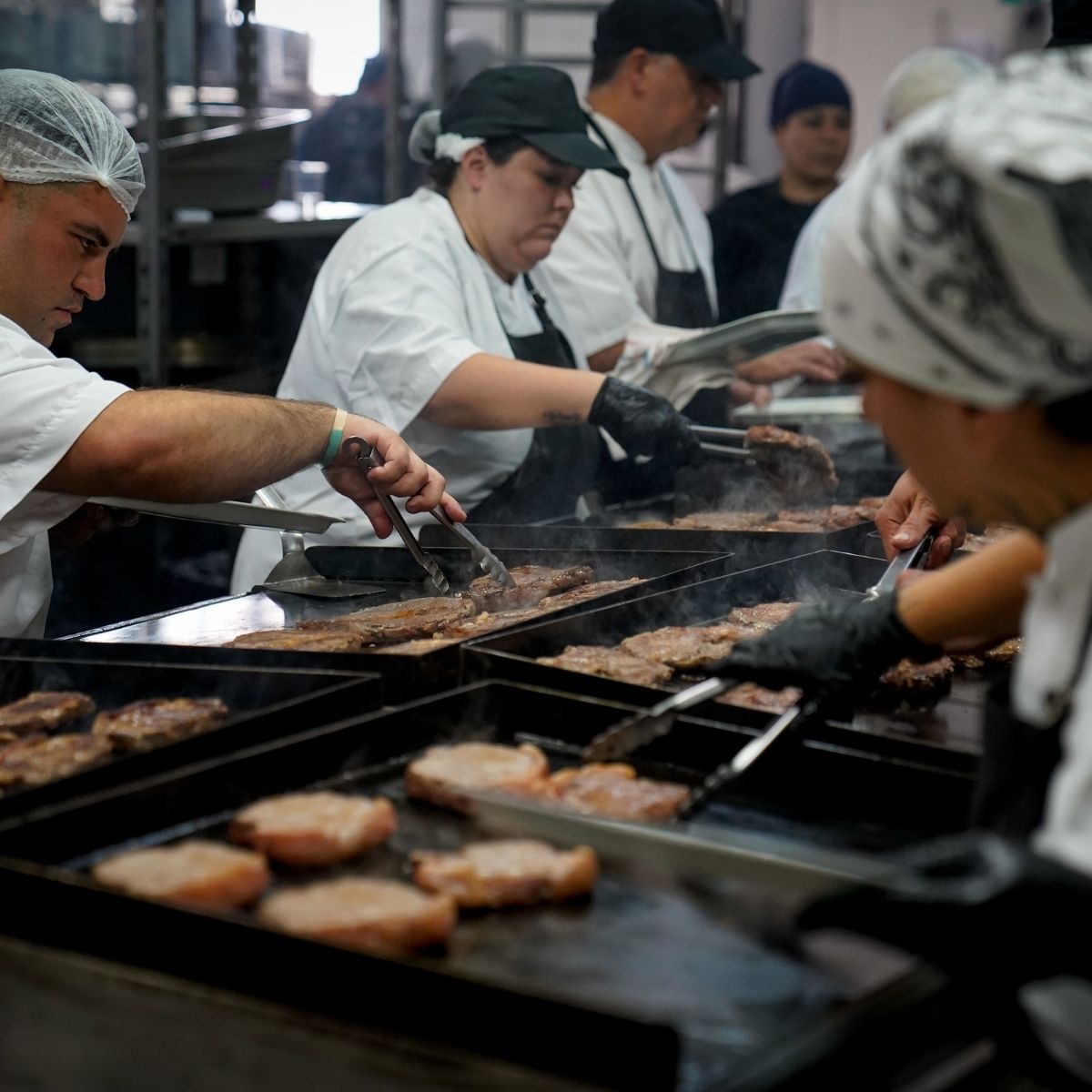
Klaus Bräuer runs the Hennche butcher’s business, founded by his great-grandparents in 1910, with a steady hand and foresight. He knows the business inside out, having worked on the production side since he was a teenager. Today, as CEO of Hennche Fleisch- und Wurstwaren GmbH, he is responsible for a company employing around 100 people, with nine branches, three sausage vending machines and a well-established network of wholesale customers. For Klaus Bräuer, there is more to business than just financial success. In his eyes, sustainability, quality and respect for meat as a high-quality foodstuff really matter most.
A fresh start after the fire
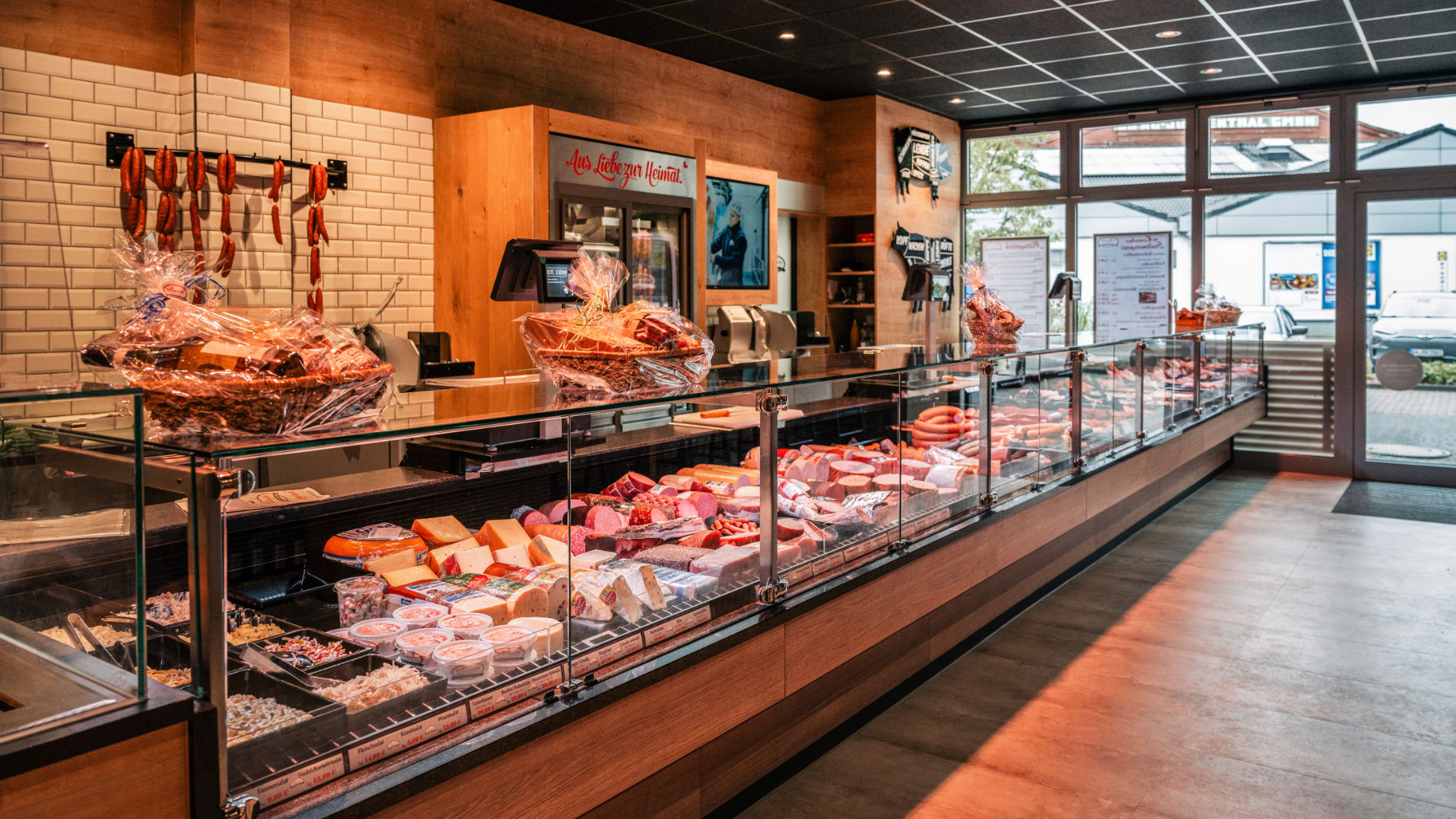
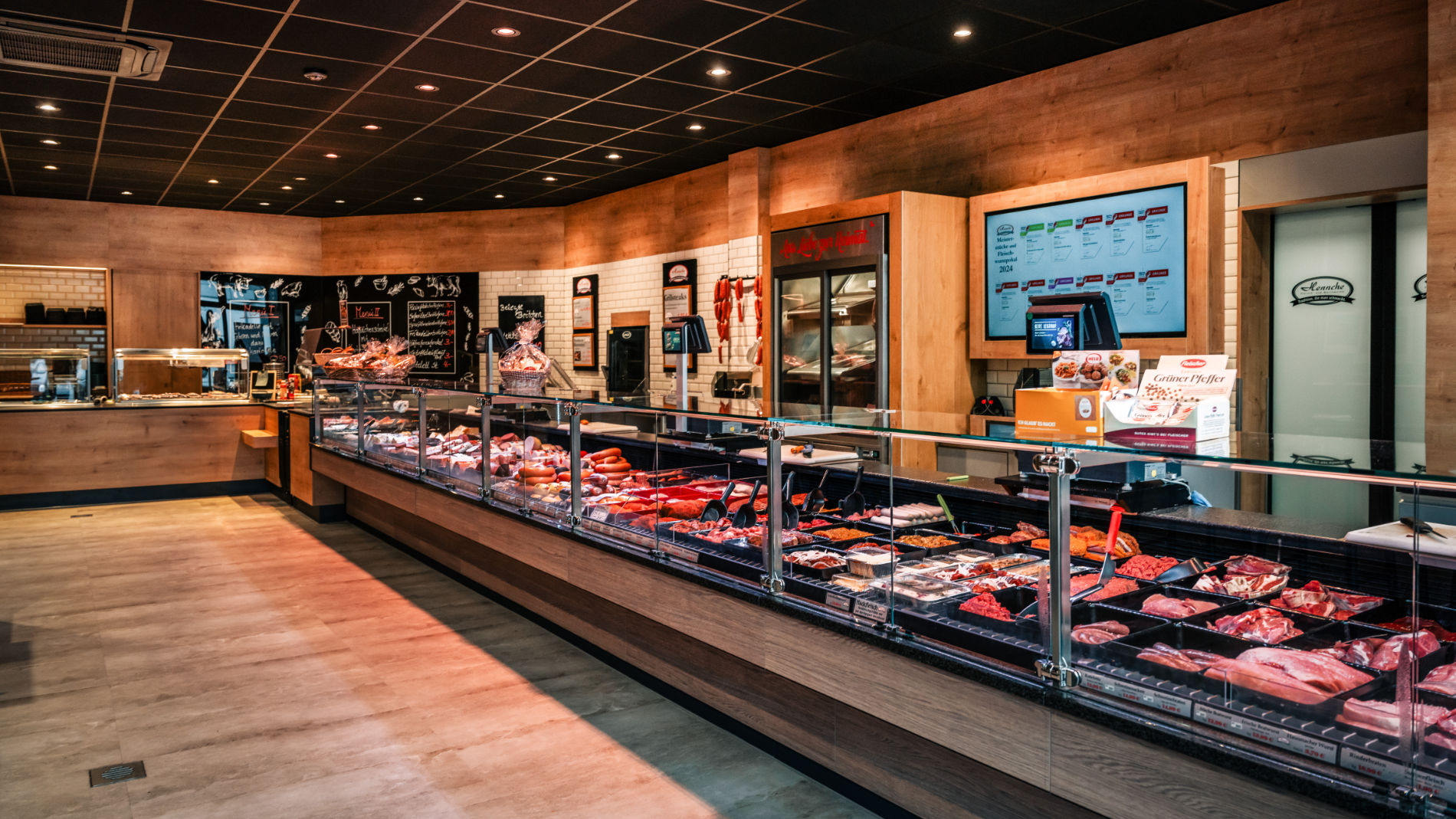
The continued growth of the business is by no means a given, something that was put to the test in October 2014 when a fire destroyed not only the administration building but also the entire production hall. “For two hours, we just stood there staring at the fire,” recalls Klaus Bräuer. But the shock was followed by a remarkable show of fortitude with a modern new building having been constructed by the following year – more efficient, more sustainable and with a clearer structure. Support from regional partners was no less decisive than cohesive teamwork. For Klaus Bräuer, it was a turning point that made the company even stronger.
Sustainability as an aspect of responsibility
Although sustainable management begins with animal husbandry for Klaus Bräuer, it does not end there. For example, he is actively committed to reducing CO2 emissions. Thus, Hennche Fleisch- und Wurstwaren GmbH has had its own cogeneration plant since 2022. Moreover, a 142 kWp photovoltaic system with battery storage has been in operation since 2023 and, on sunny days, covers a significant percentage of the company's energy requirements. The company also prioritises resource conservation and short supply chains within its production process. And, when it comes to packaging, Hennche has been using the REBOWL deposit system – a reusable container for lunch or takeaway orders – for several years. The containers can be returned and reused, thereby reducing single-use plastic and saving resources. To minimize food waste, Hennche has been working with an organisation called ‘Too Good To Go’ for about a year: “Shortly before closing time, we offer bags of our lunchtime meals and any leftover food at reduced prices,” says Max Bräuer.
Regional sourcing and short supply chains
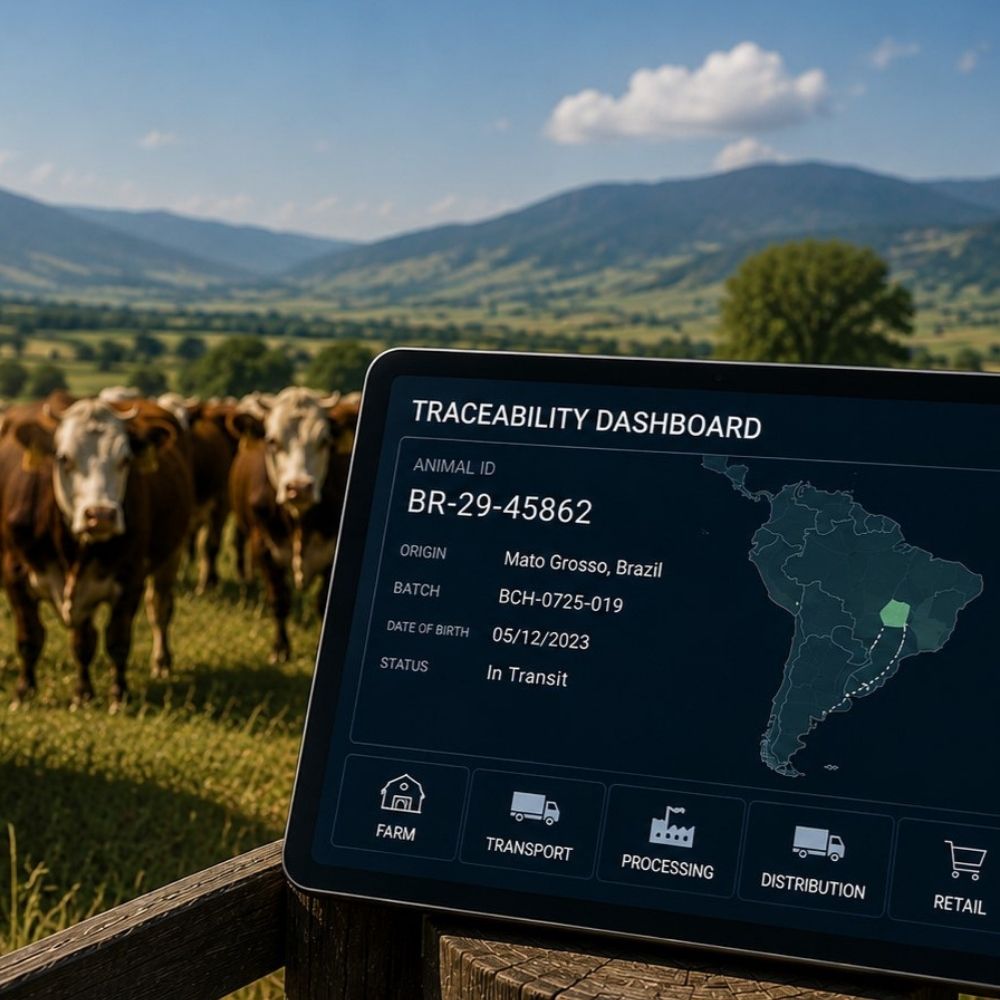
A crucial element of Hennche's corporate policy is sourcing meat from within the region. The pork, for instance, comes from the Korte family farm in the nearby Sauerland region, where animal-friendly husbandry – with plenty of outdoor space, straw bedding and GMO-free feed – is standard practice. When it comes to chickens, the Borgmeier brothers from Delbrück prioritise the welfare of their 'Kikok' chickens. This gentle rearing method combines slow growth and ample space with a diet of maize (also GMO-free), which gives the meat its characteristic yellow hue. Responsible husbandry is also a priority at the Bartels poultry farm, from which Klaus Bräuer sources so-called 'Phina' turkeys. Last but not least, the company's cutting facility and sausage and ham production in Eiserfeld ensure that processing and transport remain within a regional cycle.
Awards for skills and taste
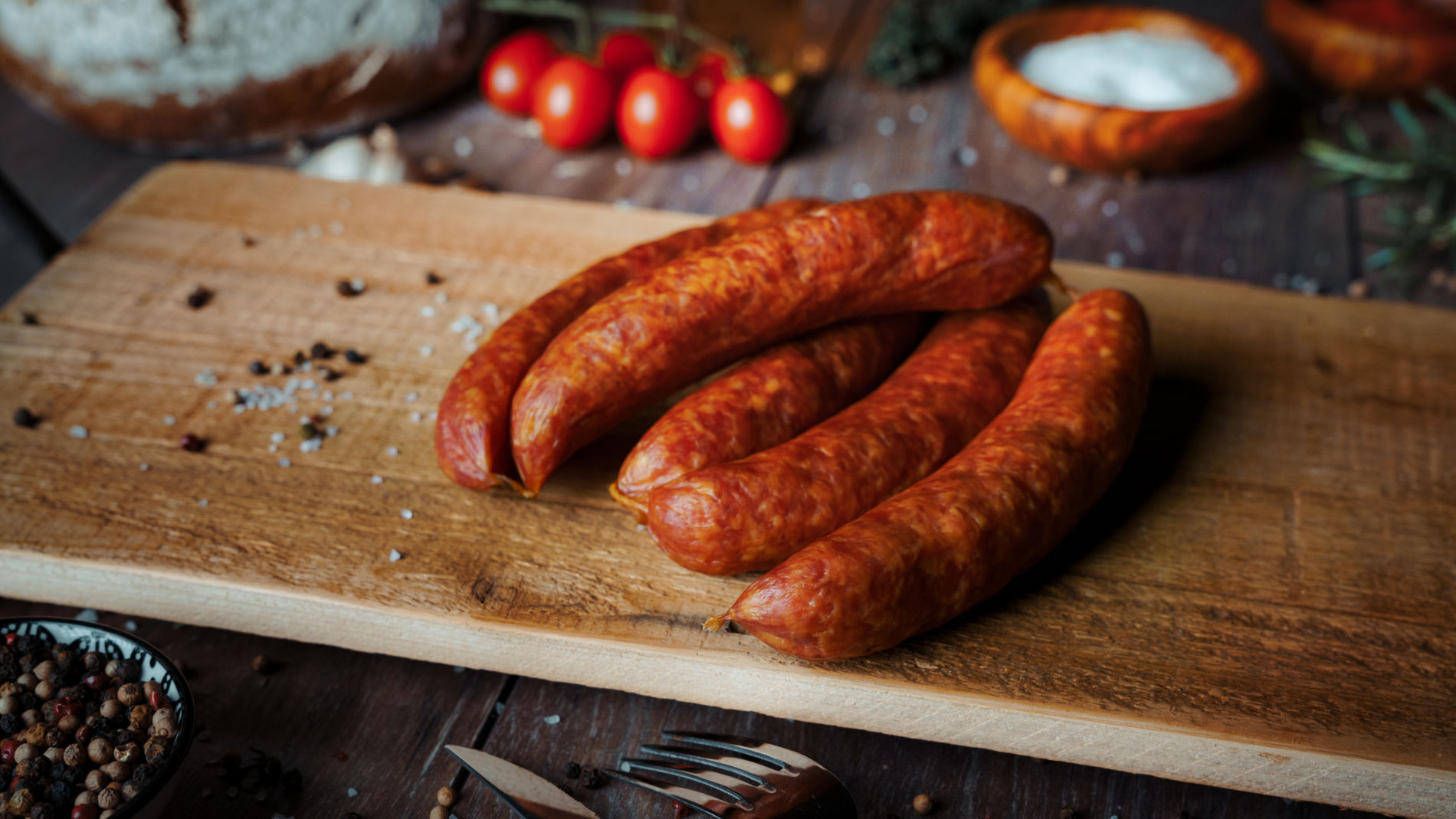
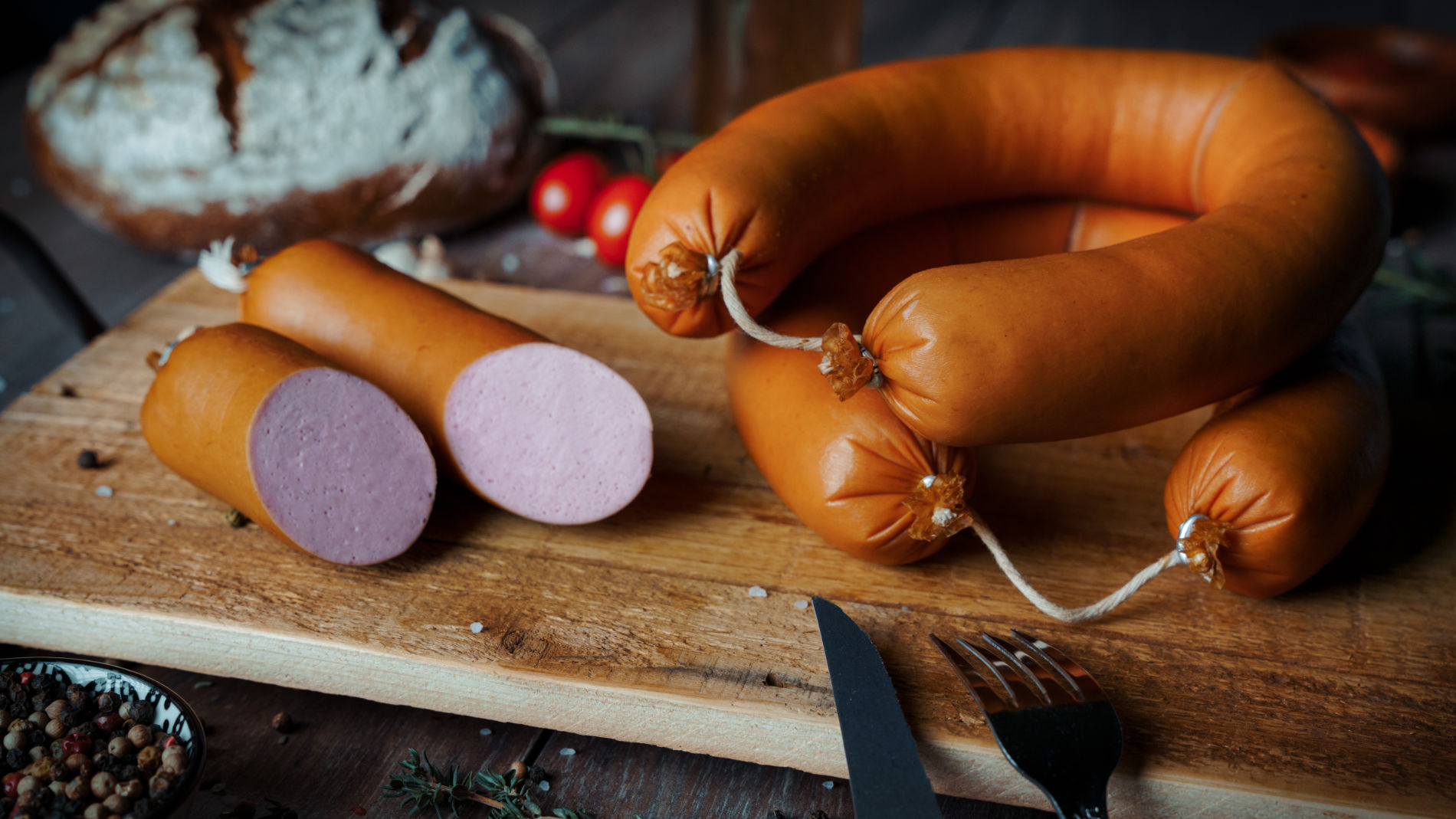
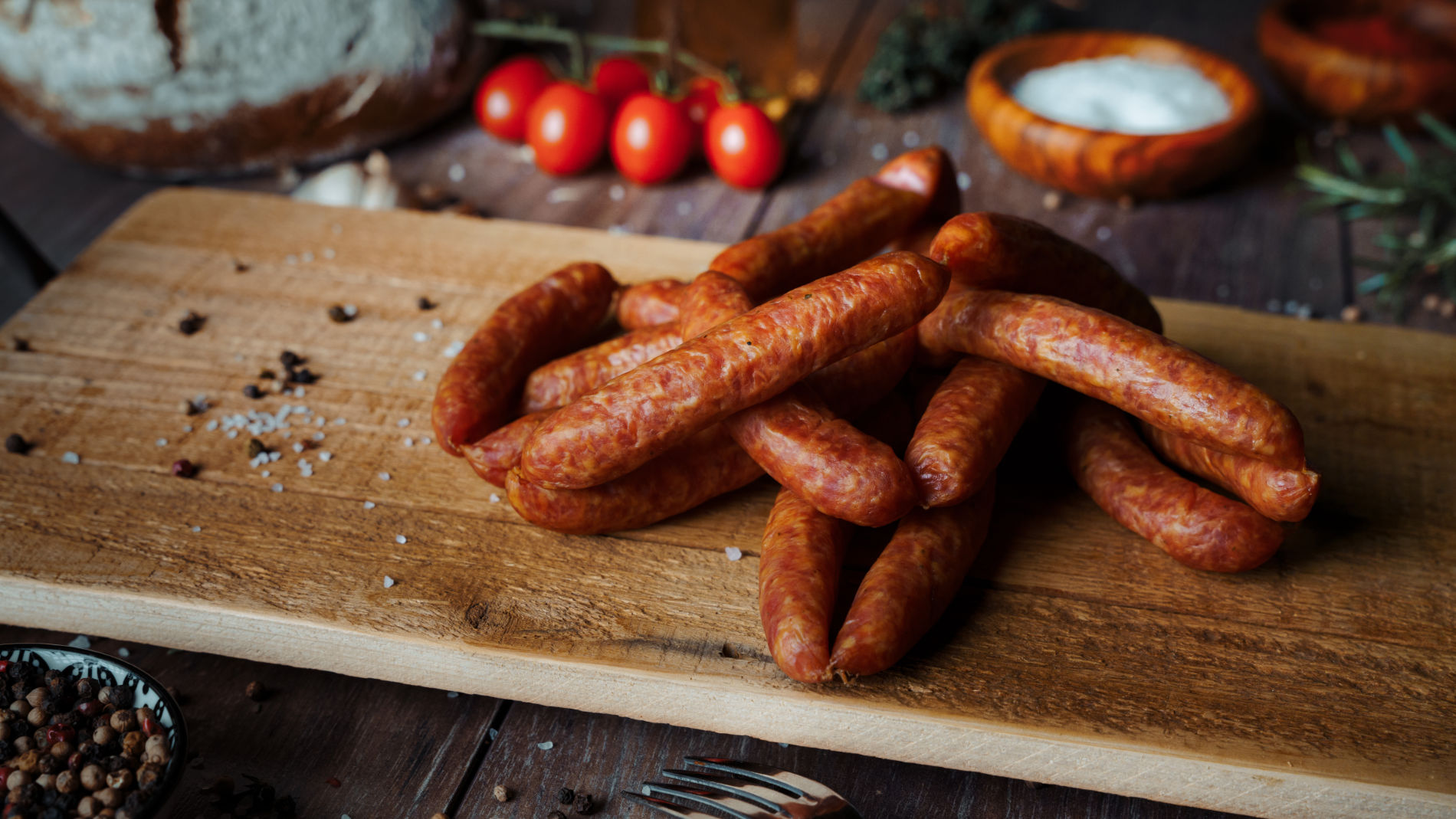
What customers appreciate at the counter has also been confirmed by independent testing bodies: at the International Quality Competitions held at IFFA 2025, no less than five products were awarded gold medals – including the famous Krönchenbratwurst – and one was awarded a silver medal. At the North Rhine-Westphalian ‘Meisterstücke’ competition in 2024, Hennche was honoured with a total of eleven gold medals, including one for their ‘Lange Jungs’ – a raw sausage with a hint of chilli – and currywurst in a jar. Other products, such as meatloaf and meat sausage, have also consistently impressed judges in tastings held in previous years. The company's popular Westphalian Mettenden sausages regularly perform well in competitions. For Klaus Bräuer, these awards are not an end in themselves but a sign that care and experience pay off.
The fifth generation is stepping up
Max Bräuer has also been with the company since January 2022. The son of Klaus Bräuer, he completed his master butcher’s course at the Heyne Butchery College in Weiterstadt immediately after his apprenticeship in Reutlingen and Tübingen, and now brings fresh perspectives to the business. For the past three years, he has also been an ambassador of good taste in his role as a meat sommelier. As a member of the managerial team, he is responsible for overseeing new store openings, refurbishments and liaising with the local teams. Furthermore, he is deeply committed to providing regular staff training and driving digital transformation across all areas of the business.
Images: Hennche Fleisch- und Wurstwaren GmbH
People in the Butchery Trade

The people who work with meat and sell meat products are just as diverse as the tasks involved in the butchery trade.
Our global series profiles creative and skilled individuals, from traditional butchers to those who have switched careers.