The heart of sausage production: smoking as a networked processing step
22 Oct 2026
Universal smoking systems cover the entire spectrum of thermal meat processing and deliver consistently high-quality products. Accordingly, many industrial companies use them as extremely efficient all-rounders in their production processes.
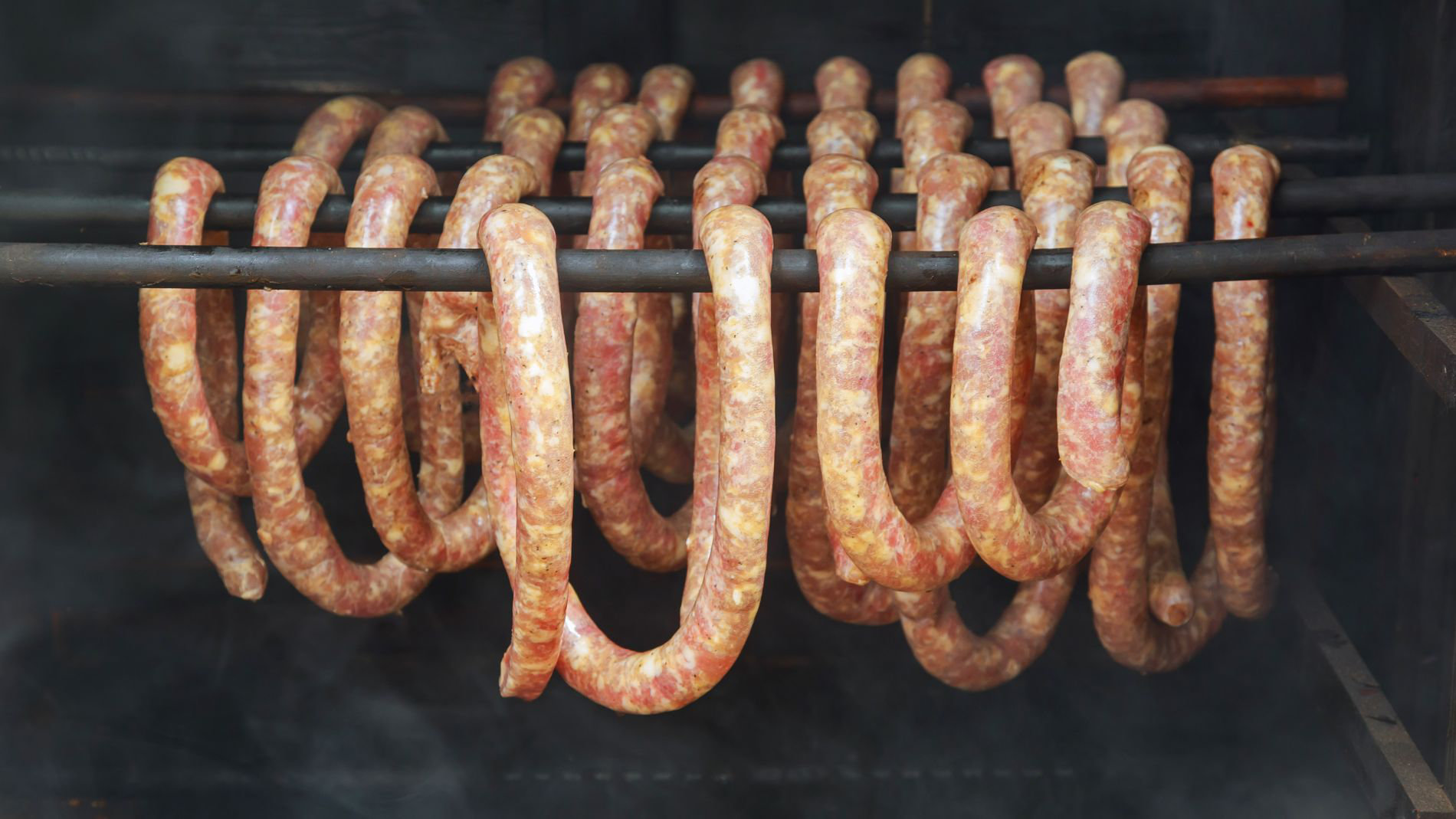
While traditional butchers prefer to use small-scale units, some with partly manual control, and traditional recipes, industrial processed-meat production tends to rely on smoking systems, i.e., all-rounders that cover the entire spectrum of thermal food processing with functions such as colour development, drying, hot, warm and cold smoking, steam cooking, hot-air cooking, baking, roasting and maturing. And, once the production process is complete, they also shower and cool the products. Another advantage of universal smoking systems is that they deliver excellent cost effectiveness and consistently high flavour quality.
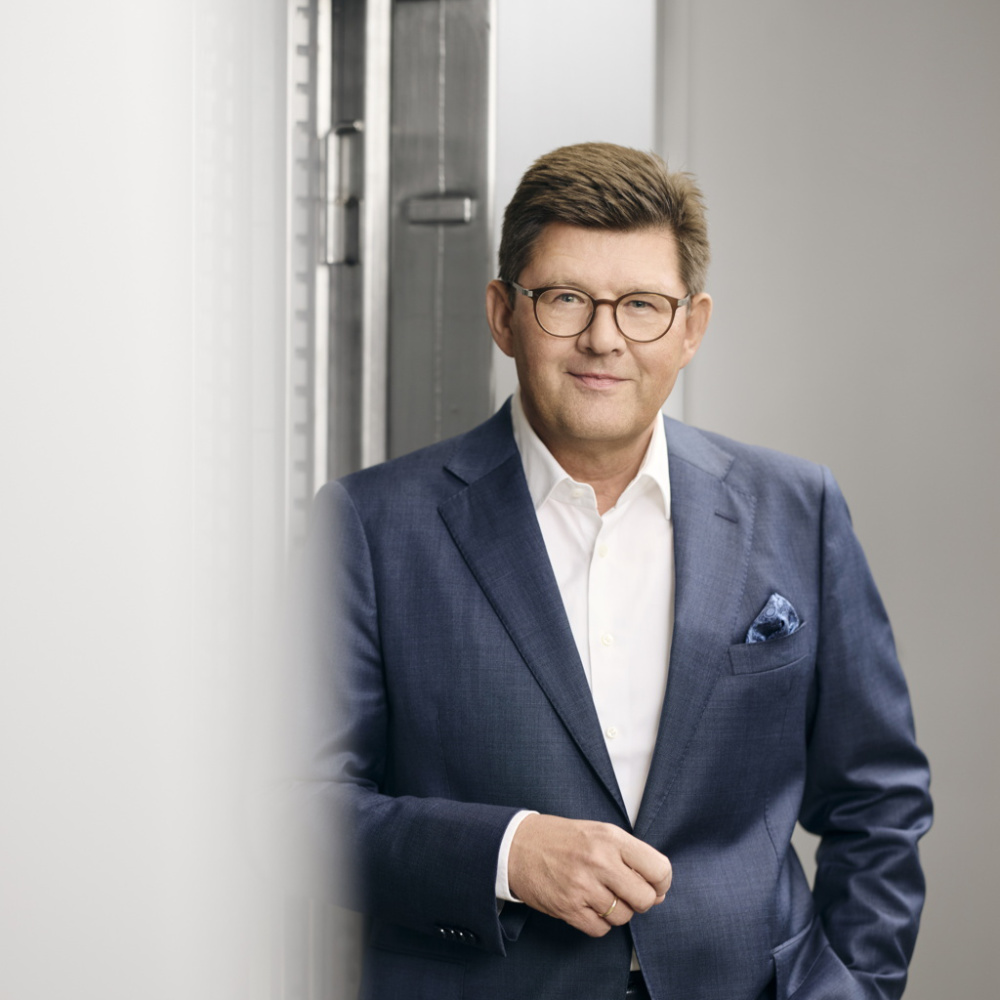
For Klaus Schröter, managing partner of Schröter Technologie GmbH & Co. KG, meat processing would be almost inconceivable without such modern equipment. “In the past, traditional smoking required close monitoring of temperatures. Today, controlled processes in smoking are managed, documented and reproduced seamlessly and in accordance with HACCP standards.”
“Today, controlled processes in smoking are managed, documented and reproduced seamlessly and in accordance with HACCP standards.”
Consistent production outcomes save time
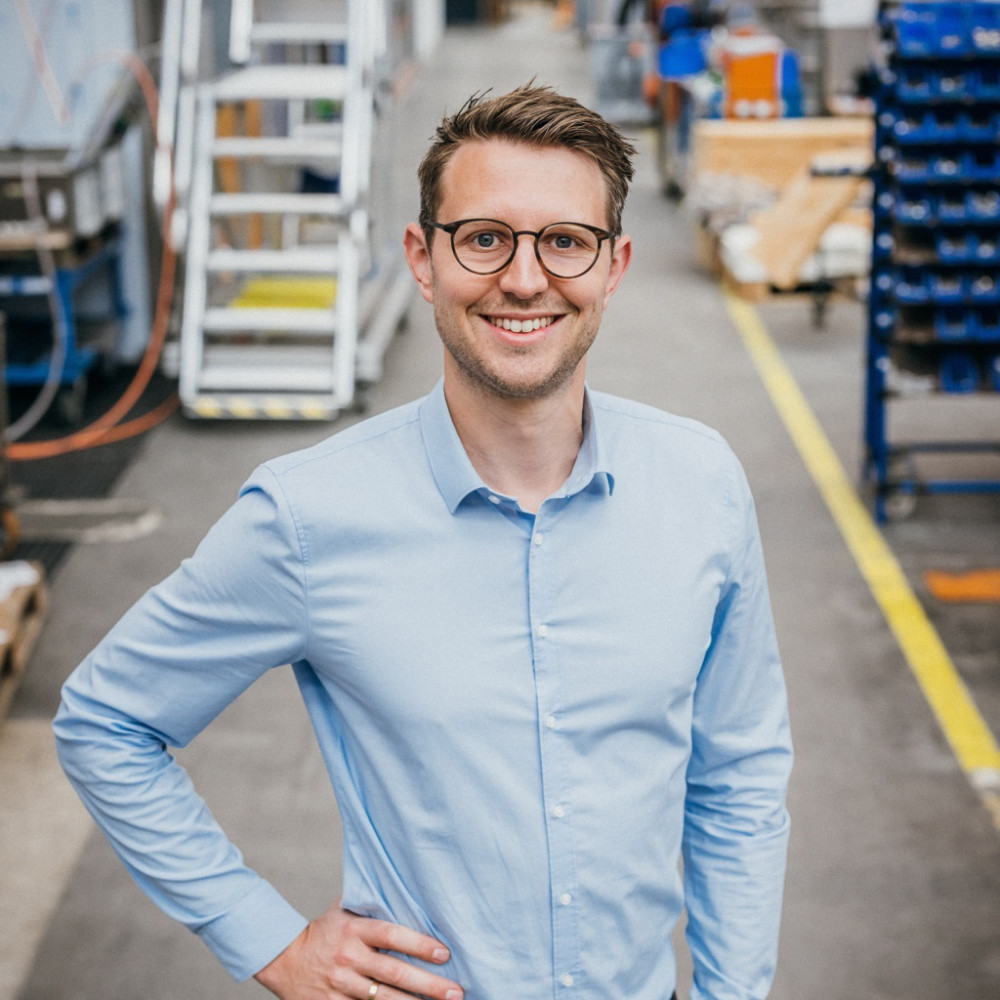
For Denis Gabriel, CEO of Fessmann GmbH & Co. KG, reliability and consistent, high-quality production results are the most important requirements for universal smoking systems. Gabriel knows that stable production results save time by eliminating the need for time-consuming reworking. “Our systems are often one of the key process steps and our aim is to keep downtime to a minimum, even when our systems reach a service life of 30 years or more.” Indeed, the company has been committed to making every component of its machines as durable and wear resistant as possible for over 100 years.
“Reliability and consistent, high-quality production results are the most important requirements for universal smoking systems.”
Genuine flexibility is essential
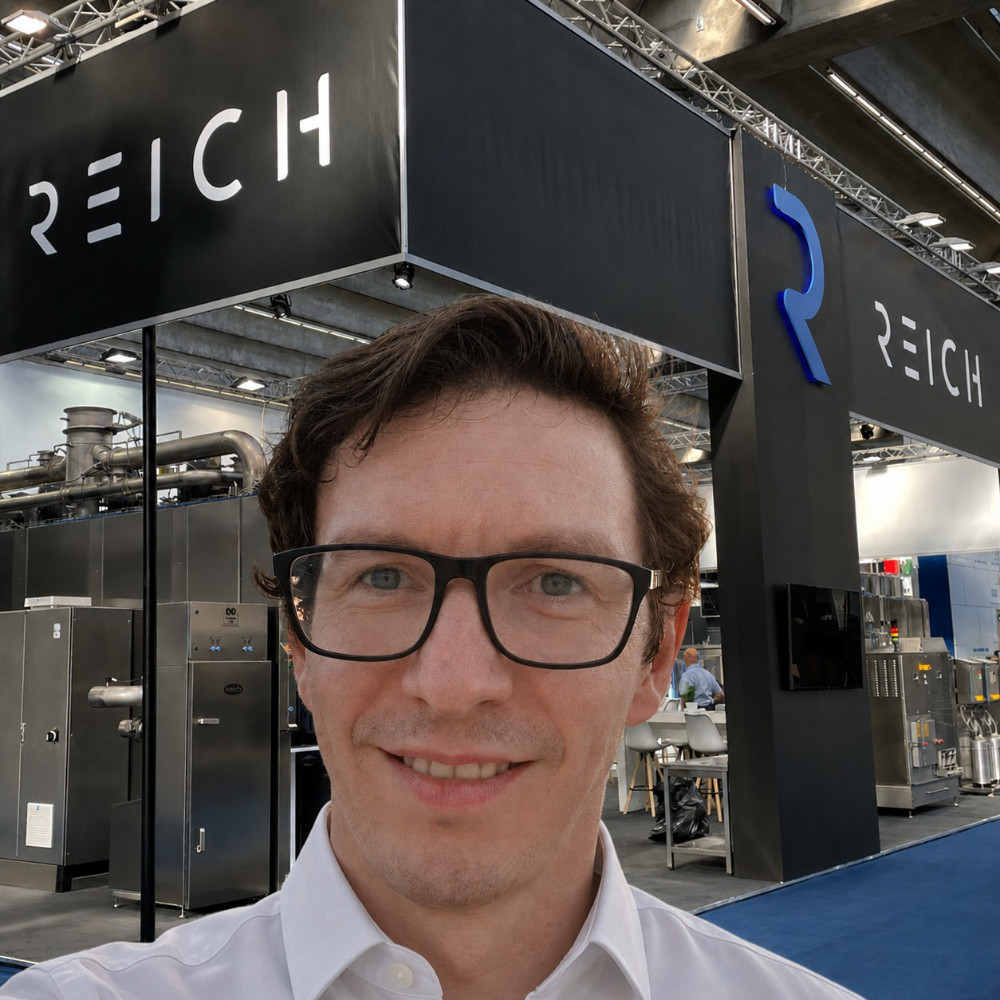
For Dr Stefan Irmscher of the Sales Division, Technology and Process Engineering, at Reich Thermoprozesstechnik GmbH, good universal smoking systems are characterised by genuine flexibility and dependably reproducible results. “Consistently high product quality combined with good yields and energy efficiency can only be achieved through the precise distribution of air, heat and smoke, short process times and minimal weight loss,” emphasises the process technologist.
Despite the multitude of manufacturers and designs, most universal smoking systems are structurally similar with an insulated housing made of corrosion- and heat-resistant stainless steel. This hygienic and robust material makes cleaning easy. Inside the chamber, a fan circulates the conditioned recirculating air. The commonly used vertical recirculation systems are particularly suitable for hanging goods, through which the process air can flow easily. If the unit is fitted with an air-changeover flap, the flow pattern of the recirculating air can be adjusted so that even products laid flat can be treated precisely. Also on the market and designed for high loading densities, cross-flow systems with horizontal air flow ensure uniform treatment of the products with smoke and heat. At Kerres Anlagensysteme GmbH, the company relies on the ‘Hybrid Air System’, which combines vertical and horizontal air flows in a single system. According to technical consultant Patrick Pal, the advantages include, “A reduction of up to 30 percent in the times for drying and cooking. At the same time, we can boast a higher throughput and more consistent product results, even with high trolley loads.”
How the different smoke generators work
The smoke generators are either integrated into the chamber door or, in the case of external smoke generators, supply the system via a smoke pipe. There are four different types of smoke generator: smouldering smoke generators, which use coarse wood chips or finer sawdust, and steam smoke generators, which require low-pressure steam, compressed air and finer wood chips. Friction smoke generators produce smoke by pressing a wooden rod against a rotating friction wheel. When liquid smoke systems are used, smoke condensate is atomised. “The smoke profile can be precisely tailored to the individual product, recipe and quality requirements,” explains Patrick Pal.
“The smoke profile can be precisely tailored to the individual product, recipe and quality requirements.”
To comply with the requirements of the EU PGI (Protected Geographical Indication) label, Black Forest ham must be smoked using fir twigs and sawdust.
An outstanding example of how the smoke profile can be adapted to the product is Black Forest ham, which must be smoked using fir twigs and sawdust to comply with the requirements of the EU PGI (Protected Geographical Indication) label. According to Klaus Schröter, almost every country has its own particular preference when it comes to the type of wood used for smoking: “Here in Germany, it’s usually beech wood; in Scandinavia, alder is the preferred choice; in South America, it’s eucalyptus while, in the USA, it’s hickory.” For manufacturers of smoking equipment, this means they must adapt their smoke generators to the relevant types of wood.
The heating method depends on the company’s location and the energy sources available
The type of heating used in the smokehouse depends on several factors. “The best solution depends in particular on the sources of energy available at the location, the energy costs and the system output required,” says Patrick Pal. According to Denis Gabriel, high-pressure steam and electricity are the most common heating methods. In this connection, he considers electrical heating and operation with ‘green’ electricity to be particularly sustainable. Gas, oil and other forms of heating are, at best, suitable for specific products and requirements and the most efficient method always depends on local conditions and the perspective taken. What is the focus? Cost-effective operation of the system, optimal performance, or sustainable operation? As Denis Gabriel puts it, “The choice of heating method remains a case-by-case decision.”
For Klaus Schröter, the type of heating to be used depends on the country and the projected costs. “Whether it’s waste heat from cooling systems or solar panels on the roof for hot water production: we have to take into account which form of energy is available to the customer and how cost-effective it is.” Given that many users are moving away from oil or gas, his company offers conversion kits for energy-efficient retrofitting, particularly for climate control and post-ripening systems. Local conditions are also a decisive factor for Reich’s customers when deciding on the type of heating for their system. Dr Stefan Irmscher: “Naturally, in addition to the availability of the various energy sources, the associated energy costs also play an important role. Thus, in regions such as Scandinavia, where electricity prices are low, we fit systems with electric heating.” He also notes that the focus is currently shifting towards resource-efficient, sustainable production. Renewable energy sources such as photovoltaic systems are increasingly being used to meet demand, while countries with an unreliable electricity infrastructure tend to employ gas- or oil-fired heating systems.
Designing the best possible automated interfaces
When it comes to product development, Fessmann has focused firmly on digitalisation and automation over recent years and the company has introduced a variety of digital solutions for plant and process monitoring, such as the ‘FES.APP’, a mobile application for real-time monitoring and control. “Processes must become more transparent to exploit previously untapped potential,” says Denis Gabriel. At Schröter, operator safety and monitoring are high priorities. “We now offer process visualisation systems that allow users to monitor plant operations via a tablet, even from their living room,” explains Klaus Schröter. Moreover, in the case of larger installations, the optimum design of automated interfaces with upstream and downstream components is becoming increasingly important. “Tailored to the customer’s needs, the overall concept must be transparent and safe to operate,” adds Schröter.
In addition to technical improvements, Reich has also focused on digitalisation, networking and process monitoring. Using ‘BlueConnect’, relevant machine and production data can be monitored in real time from any location. The company also focuses on predictive maintenance, tighter integration of the systems into the overall production process via standardised interfaces, as well as ease of use and clear process-data visualisation. According to Dr Irmscher, this means, “Universal smoking systems are evolving from individual process machines into a networked element of the overall production process.”
“Universal smoking systems are evolving from individual process machines into a networked element of the overall production process.”
According to Klaus Schröter, connectivity and data security are set to play a key role in all new and ongoing developments because, from January 2027, the new EU Regulation on Machinery will impose stricter obligations that apply directly as binding law, without the need for prior national transposition. Manufacturers based in the EU must comply with the new requirements, as must companies from outside the EU – if they want to sell their products on the European market.
For manufacturers of machinery and plant, the new EU Regulation on Machinery, which applies from 20 January 2027, means:
Enhanced risk assessment: account must be taken of new hazard categories, particularly for digital and AI-driven components.
Stricter documentation requirements: the technical documentation must be more comprehensive and detailed than before.
New conformity-assessment procedures: in certain cases, external bodies (‘Notified Bodies’) are mandatory for safety-critical machinery.
Updated, harmonised standards: existing CE markings based on old standards must be reviewed and renewed if necessary.
Cybersecurity requirements: digitally networked machines are subject to new security provisions.
Authorisation for certain smoke flavourings withdrawn
Smoke flavourings incorporated directly into products such as barbecue sauces, crisps, savoury snacks, ready meals, plant-based meat alternatives and spice mixes, or sprayed onto their surfaces, are also subject to strict regulation by the European Union. To date, eight substances from various manufacturers had been permitted. Following a new review of potential risks, the European Food Safety Authority (EFSA) has come out against renewing authorisation of these substances because the tests either confirmed genotoxic risks for all eight smoke flavourings or, at the very least, could not rule them out. Therefore, the European Commission decided to ban smoke flavourings altogether and the transition phase ended on 1 July 2026. Meat, fish or cheese treated with smoke flavourings may still be sold in the EU until 2029. Traditionally smoked foods are exempt from this decision. The new regulation primarily affects operators of systems that have so far been run on the now-prohibited smoke flavourings. Not directly affected by the ban are manufacturers of universal smoking systems, who offer a wide range of alternative smoking methods.
Images: Canva, Schröter, Fessmann, Kerres, Schutzverband der Schwarzwälder Schinkenhersteller, Dr Stefan Irmscher
Monika Mathes
Trade journalist
Reports for Foodtech Now! on growth markets in the meat and protein industry.