
Reading time: 6 minutes
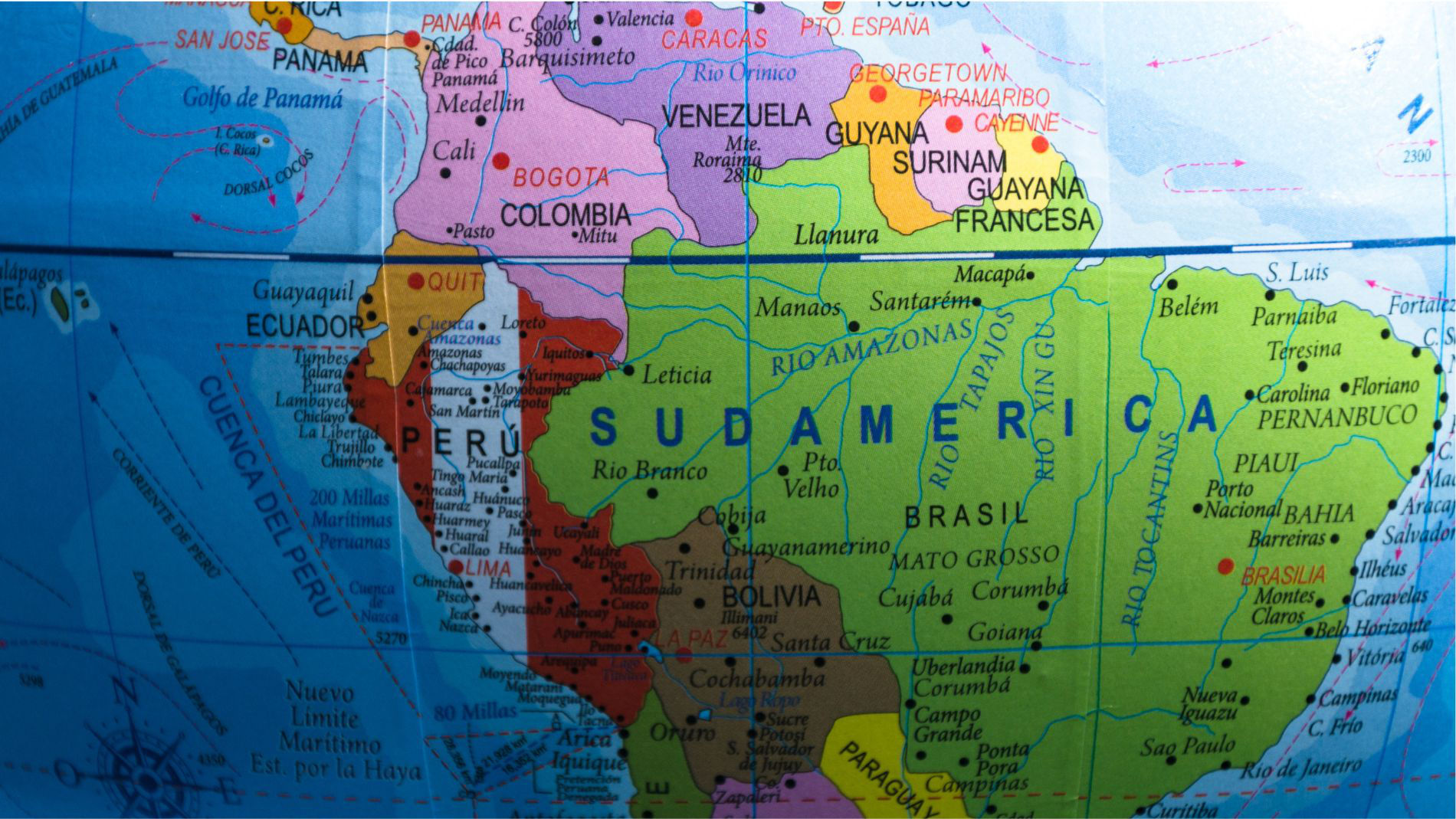
Latin America’s position as a major animal protein producer and exporter has traditionally rested on its livestock resources, processing operations and access to global markets.
According to the Food and Agriculture Organization of the United Nations (FAO), Latin America and the Caribbean account for 28 % of the world’s cattle population and beef production, 44 % of global beef exports and 42 % of global chicken production.1
However, the region’s competitiveness now depends on advanced technology that transforms raw meat into safe, consistent and higher-value products. Processors are also seeking to increase productivity, control operating costs, reduce waste and meet food quality requirements.
From Mexico to Central and South America, the challenge is to select machinery that delivers improvements without placing excessive pressure on company budgets.
These opportunities extend beyond slaughterhouse operations and the fresh beef sector. As Latin American processors expand their ranges of value-added meat products, technology is becoming important throughout the supply chain, from cutting and preservation to packaging, refrigeration and distribution.2
Mordor Intelligence estimates that South America’s processed meat market will grow to US$19.24 billion by 2030, representing a compound annual growth rate (CAGR) of 1.41 %. The market includes beef, poultry, pork, and other meats, as well as chilled, frozen, and preserved products.3
The regional machinery market encompasses equipment for slaughtering and carcass handling, grinding and mixing, portioning, cooking, chilling, freezing, packaging and labeling.
Automated quality-control systems and robotic handling are also important segments, connecting individual machines into more coordinated production lines.
Automation moves to the center of investment decisions

Automation is crucial as processors seek to address labor-intensive tasks, production bottlenecks and inconsistent output.
Computer-assisted cutting, portioning and sorting systems can reduce repetitive manual work while improving consistency. Connected sensors and production management software also allow operators to monitor equipment performance and identify irregularities more quickly.
In Mexico, the discussion around automation is connected to industrial productivity. In May 2026, El Universal, citing Mexico’s National Association of Federal Inspection Type Establishments Foundation (ANETIF), reported that the adoption of artificial intelligence and automation in the country’s meat industry was associated with a 30 % reduction in labor costs and a 50 % increase in productivity.4
For processors across Latin America, the potential benefits include higher throughput, more consistent product specifications and better use of raw materials. In high-volume facilities, even small improvements in cutting accuracy can have a significant impact on daily operations.
The next step is to integrate equipment across the processing plant.
A cutting machine that communicates with weighing, sorting and packaging equipment can maintain production flow and reduce bottlenecks. Rather than purchasing isolated machines, regional processors can now evaluate the performance of an entire production line.
Digital traceability and process control
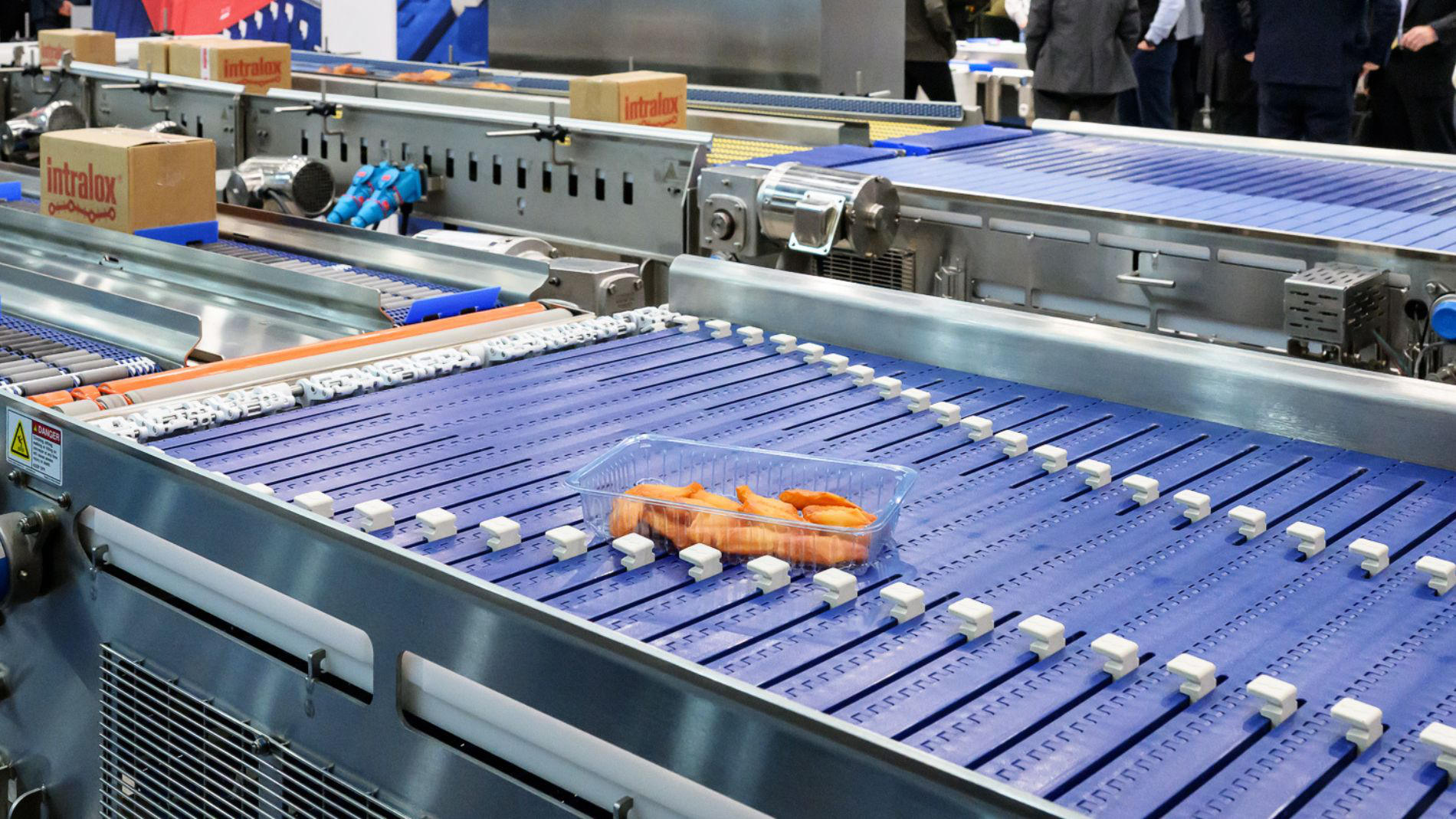
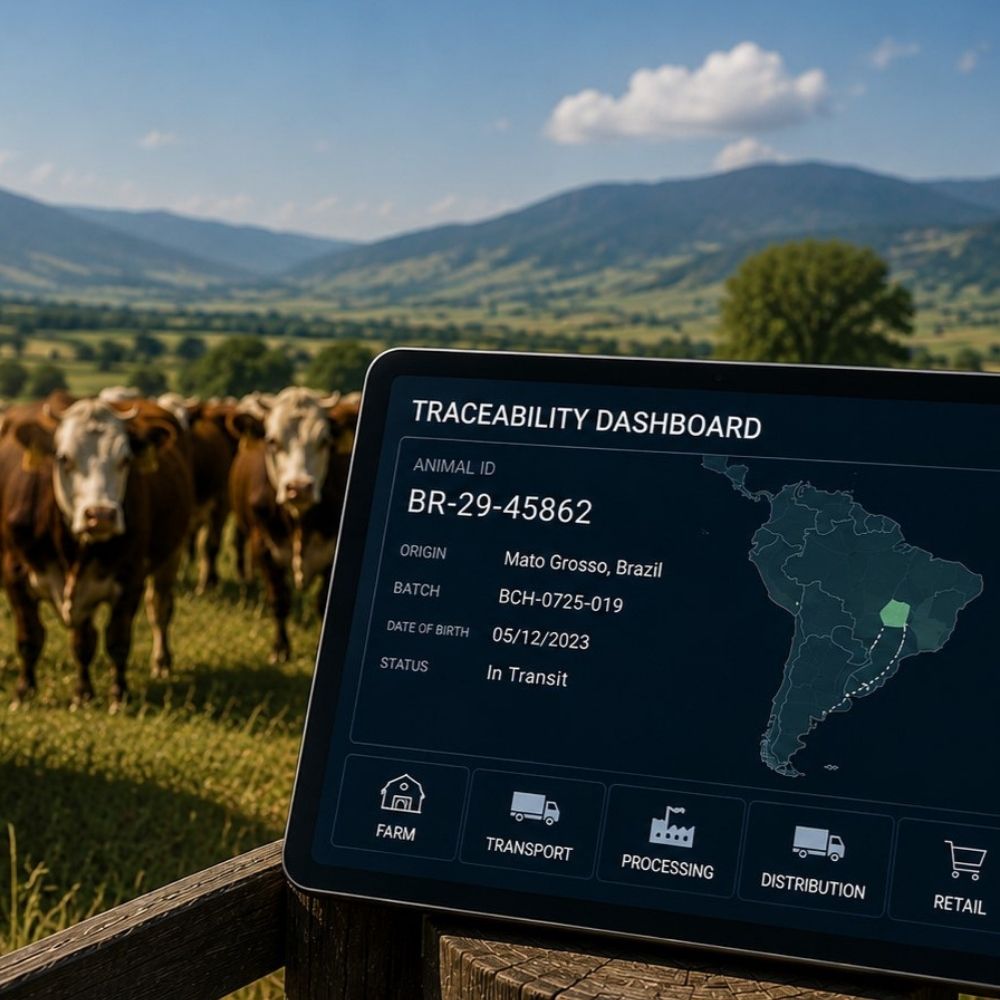
Automation is closely connected to another priority, which is traceability.
Mexico offers a useful illustration of the importance of documented processing standards.
The country’s National Service for Agrifood Health, Safety and Quality (SENASICA) recently reported 440 federally inspected TIF establishments, of which 146 exported to 62 countries.5 The system covers slaughter and meat-processing facilities, including operations involving cutting, deboning, packaging, and refrigeration.
For Latin American processors, documenting processing conditions supports quality management, regulatory compliance and customer confidence. Digital systems help record critical information throughout production, while sensors monitor variables such as temperature and humidity.
Traceability is relevant to processors that supply international markets, where buyers require detailed records of product origin, handling and regulatory compliance.
Precision deboning: Extracting more value from every animal
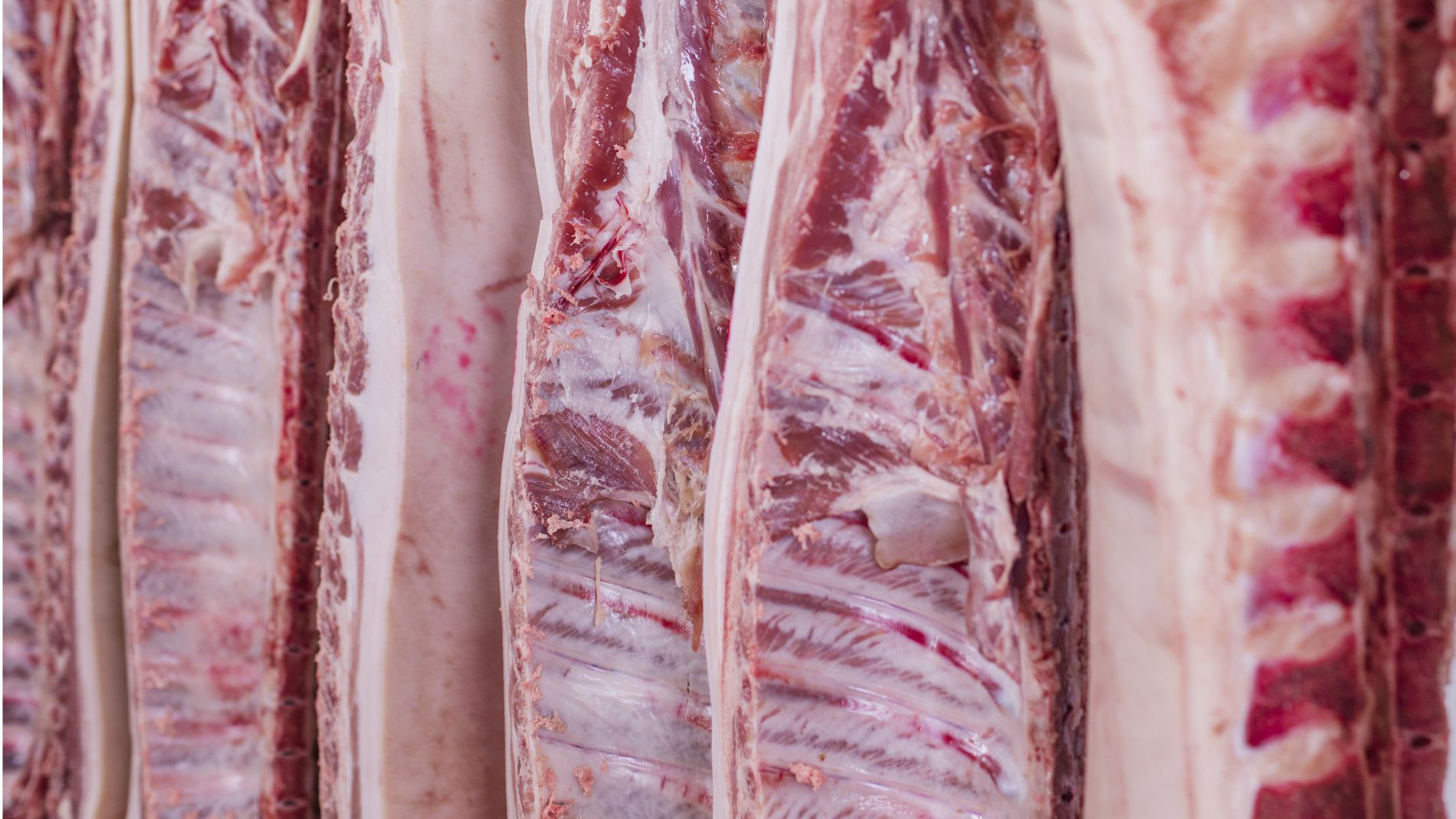
Precision deboning is a vital operation since it influences yield, product consistency and profitability. Industrial blades, automated saws, and trimming equipment help regional processors meet product specifications while limiting material losses.6
More advanced installations can integrate machine vision, weighing and automated sorting to direct products toward different cuts, portion sizes or packaging formats.
For Latin American plants, modernization does not always require a completely new production line. Upgrading cutting tools and optimizing established processes can deliver practical gains where investment budgets are constrained.6
These capabilities are applicable to the region’s export-oriented beef industry, where processors need to supply different cuts and specifications in weight, dimensions and presentation to a wide array of international destinations.
In more advanced facilities, deboning equipment can be combined with machine vision and automated quality assessment. These systems identify product characteristics, standardize portions and direct cuts toward the appropriate production routes.
Packaging technology becomes a competitive advantage

Packaging is another important area of investment as Latin American processors want to extend shelf life, protect products during distribution and supply retail and food service channels.
Vacuum packaging, modified-atmosphere packaging (MAP) and thermoforming equipment are established technologies throughout the region for fresh and processed meat. Vacuum packaging removes air before sealing, while MAP uses a controlled gas mixture to help preserve product quality.
Beyond traditional packaging, local processors are also exploring emerging technologies such as high-pressure processing (HPP), ultrasound, intelligent sensors, and active packaging.7 HPP can reduce certain microorganisms in suitable packaged foods, potentially extending shelf life without the high temperatures associated with conventional heat treatments. Ultrasound is being investigated for applications such as marination and texture improvement, while intelligent sensors can monitor conditions affecting product quality.
Active and antimicrobial packaging controls product deterioration, although performance depends on the materials, characteristics, and conditions of use.
For regional producers, these technologies support the development of differentiated products, including portioned meat, chilled products and ready-to-cook formats.
Brazil seeks a larger role in machinery and technology
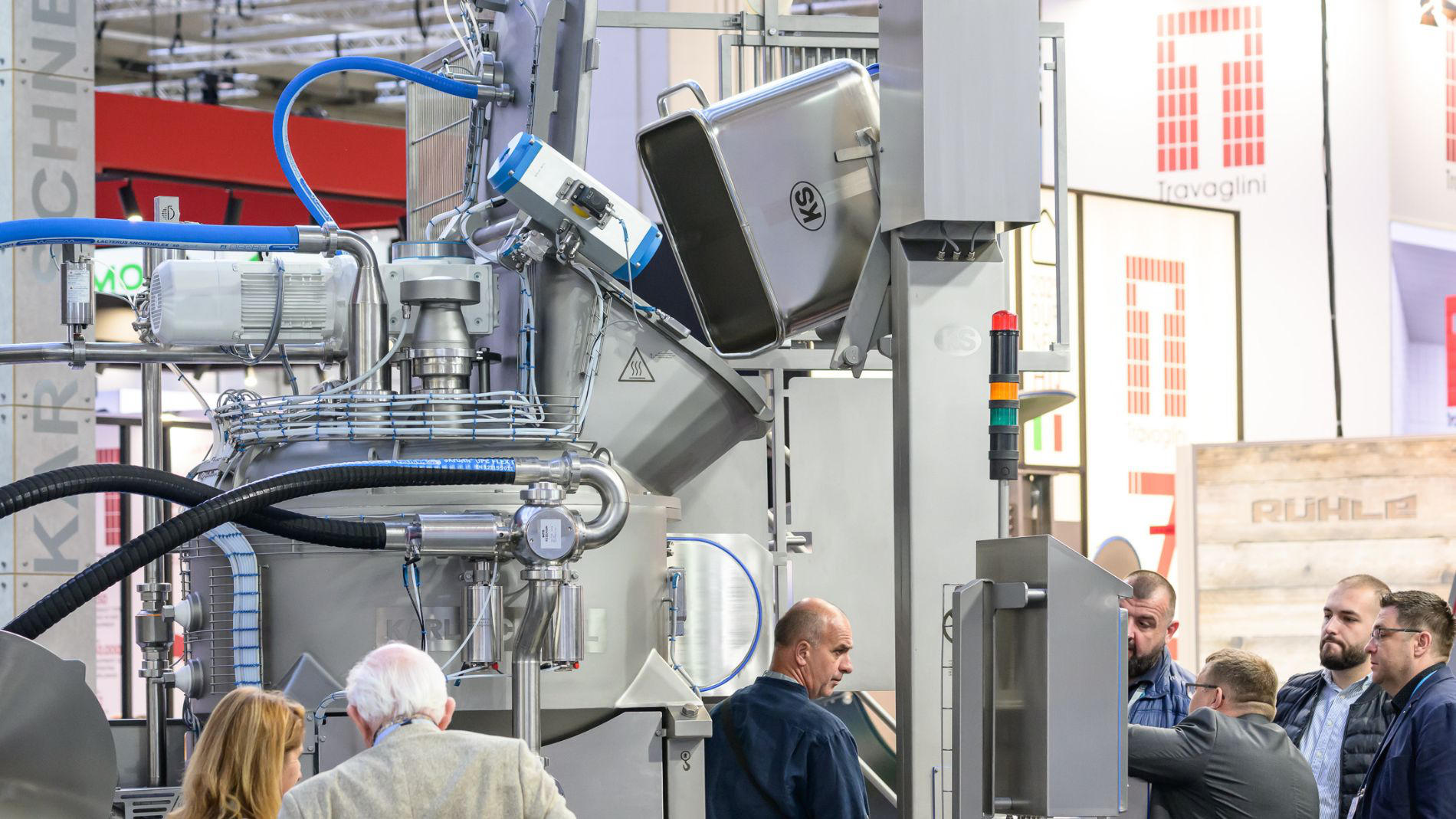
Brazil is one of the region’s most important markets for meat processing machinery, with a base that supports both domestic and global operations.8
The Brazilian Machinery and Equipment Industry Association (ABIMAQ) represents a broad industrial sector and promotes technological development and international business. Through the Brazil Machinery Solutions program, developed in partnership with the Brazilian Trade and Investment Promotion Agency (ApexBrasil), the sector promotes Brazilian machinery manufacturers around the world.9
A large domestic processing industry gives manufacturers opportunities to develop and test equipment against demanding production requirements.
Local suppliers may also be well positioned to offer customization, maintenance, and technical support adapted to regional conditions.
For buyers elsewhere in Latin America, a stronger Brazilian supply base could create additional procurement options.
Access to technical assistance and spare parts is important where production interruptions are expensive and imported components can take time to obtain.
Brazil’s broader industrial capabilities also complement those of international equipment suppliers, especially when processors need solutions adapted to local budgets.9 The country’s development illustrates how machinery investment can support wider industrial capabilities, from automation and control systems to specialized processing and packaging technology.
A regional market with different routes to modernization
Latin America’s meat processing machinery industry is moving toward more connected, precise and resource-efficient production. Across the region, packaging and cold-chain technologies are becoming popular as processors seek to preserve product quality, reduce losses and reach more global markets.
The central commercial question is where investment will deliver the greatest benefit. For some facilities, that may mean installing a fully integrated automated line. For others, it may involve upgrading cutting tools, improving refrigeration controls or investing in a reliable packaging system.
Suppliers that understand these differences, provide dependable technical support and demonstrate returns on investment will be well positioned to serve Latin America’s gigantic meat industry.
The next phase of competition will ultimately depend not only on the sophistication of the machinery installed but also on how effectively processors combine equipment, skilled workers, data, and infrastructure to extract more value from every animal.
Sources
1 Latin America and the Caribbean Regional Overview of Food Security and Nutrition 2024. Food and Agriculture Organization of the United Nations (FAO). 07.10.2026.
2 Tecnología de alimentos: innovaciones y tendencias. Emergent Cold LatAm. 05.10.2026.
3 South American Processed Meat Market. Mordor Intelligence. 07.10.2026.
4 Industria cárnica redujo 30% de costos laborales con IA: ANETIF; también reporta aumento de productividad en 50%. El Universal. 05.10.2026.
5 Sistema TIF produce alimentos sanos e inocuos. Servicio Nacional de Sanidad, Inocuidad y Calidad Agroalimentaria (SENASICA). 17.10.2026.
6 La tecnología de corte eleva los estándares de eficiencia y seguridad en la industria cárnica. AmeriCarne. 01.10.2026.
7 Innovaciones tecnológicas que agregan valor a la carne procesada. AmeriCarne. 01.10.2026.
8 Brasil, potencia tecnológica silenciosa: el nuevo músculo del procesamiento de proteína animal. The Food Tech. 15.10.2026.
9 Brazil Machinery Solutions. Associação Brasileira da Indústria de Máquinas e Equipamentos (ABIMAQ) und Agência Brasileira de Promoção de Exportações e Investimentos (ApexBrasil). 15.10.2026.
Header image: Canva