
Reading time: 7 minutes
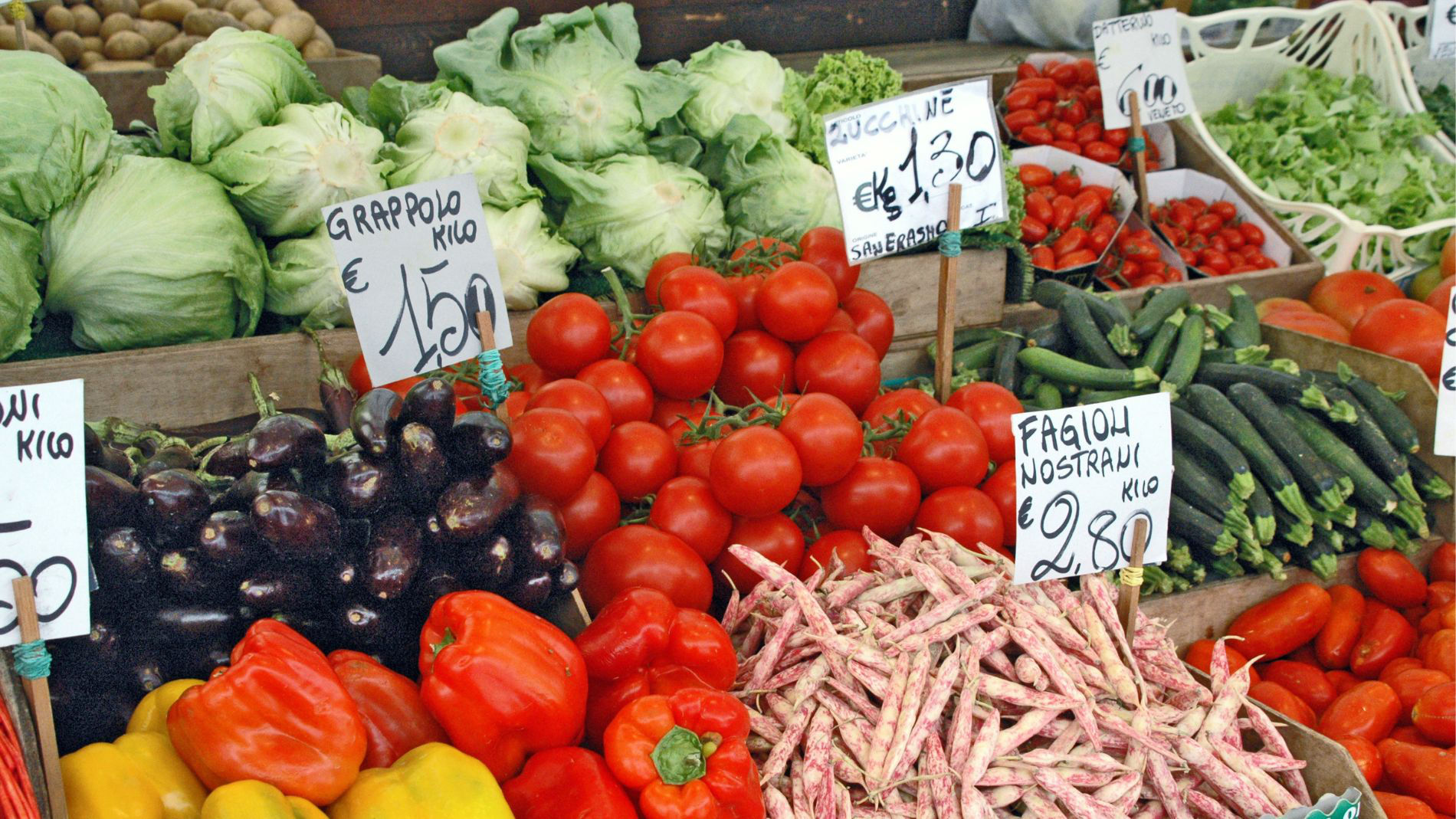
The price of a food product influences our purchasing decisions, our budgets and our understanding of what is ‘valuable’. The price acts as a guide, an indicator of quality and a justification. At the same time, it is often misleading. This is because the price of food rarely reflects the actual societal costs. Damage to the climate and environment, health implications and biodiversity loss have so far been borne largely by the community at large, with the costs being externalised to ecosystems, healthcare systems and future generations. What is paid at the checkout is generally only a small part of the whole picture.
International analyses highlight the scale of this price gap. According to calculations by the FAO1, the hidden costs of the global food system amount to more than US $ 10 trillion every year – almost as much as the total market value of all food consumed worldwide. In Germany, an analysis by Greenpeace and the Forum for Ecological-Social Market Economy2 estimates that meat, sausages and sugar alone generate external costs of around € 50 billion per year. Almost the same amount would need to be raised on top of this to offset the side effects of food production and consumption.
Distorted prices – market failure by design
Food prices are determined not only by market forces, political circumstances and strategic pricing but also by psychology. Consumers interpret prices as indicators of value and quality. However, market prices are often misleading because, although production costs and profit margins are included, the associated societal costs are not.
This imbalance is particularly acute when it comes to animal products. To this must be added fiscal and political influences. Every year, billions of euros flow into the agricultural sector via EU farm subsidies while the reduced rate of VAT is an additional advantage for animal products. At the same time, farmers find themselves under economic pressure with rising energy, feed and labour costs, not to mention climate-related crop failures, exacerbating the situation. Unsurprisingly, many producers have been calling for adequate, fair prices along the value chain for years.
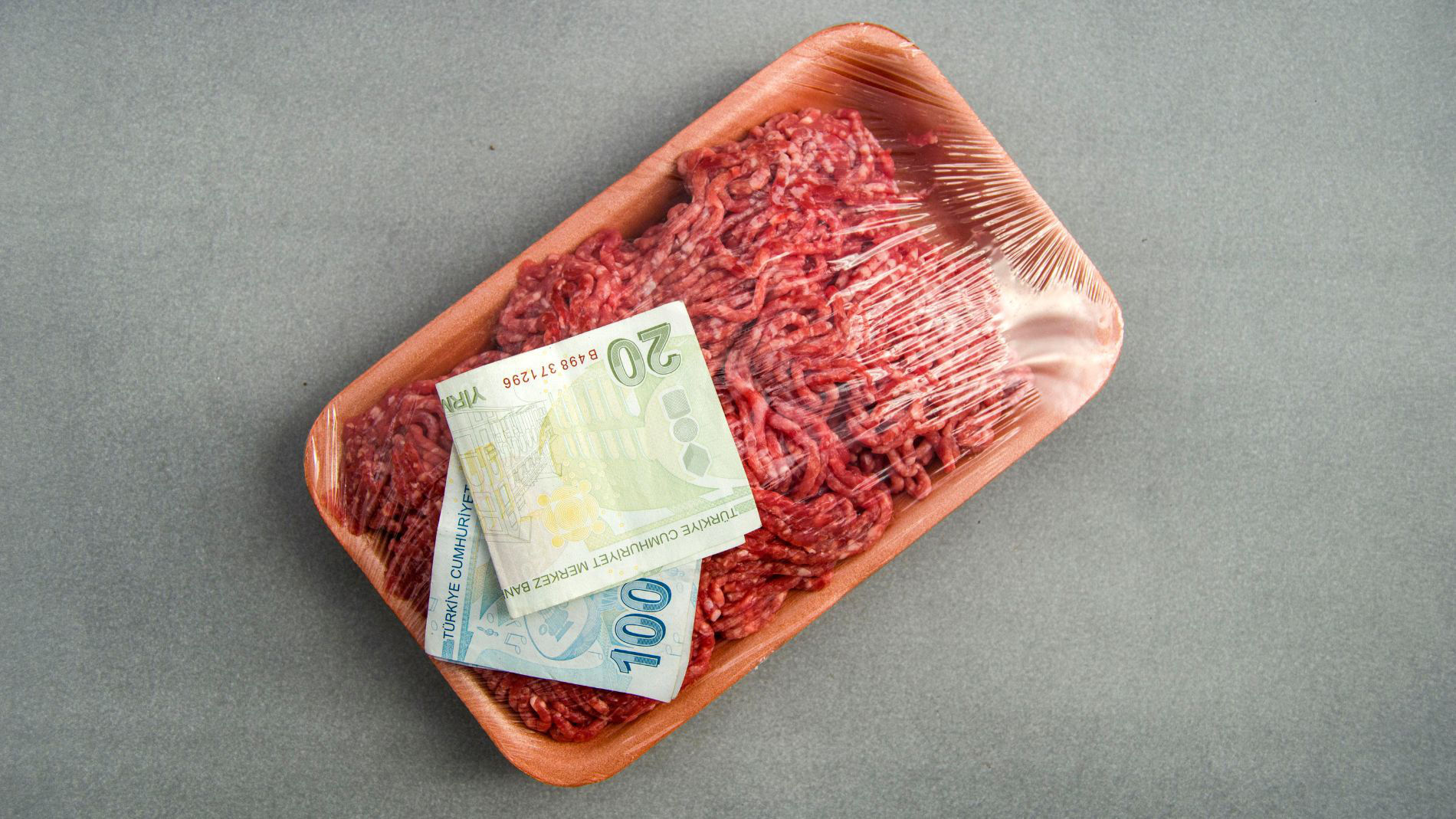
So, who benefits from these low prices? Certainly not the environment or the agricultural sector. According to the Heinrich Böll Foundation3, the main beneficiaries are powerful market players along the supply chain, while producers often achieve only small margins. At the same time, consumer organisations4 are critical of price increases that are sometimes difficult to justify, as well as hidden price hikes in the form of smaller pack sizes or changes to product formulations. It is a fact that food, including essentials, now costs an average of around 30 percent more than in 2021 – a trend that places a particular strain on low-income households.
Dirk Liebenberg, Head of Corporate Engagement at the international ProVeg food organisation, also points to structural distortions: “The market is currently unjust and biased against fair, sustainable products because players in the meat and dairy industries are not required to internalise their external costs.” Therefore, he says, there needs to be greater pressure for regulatory reform.
Go to the interview“Price parity in all product categories is the next milestone” with Dirk Liebenberg from ProVegWhen prices tell the truth: The PENNY experiment
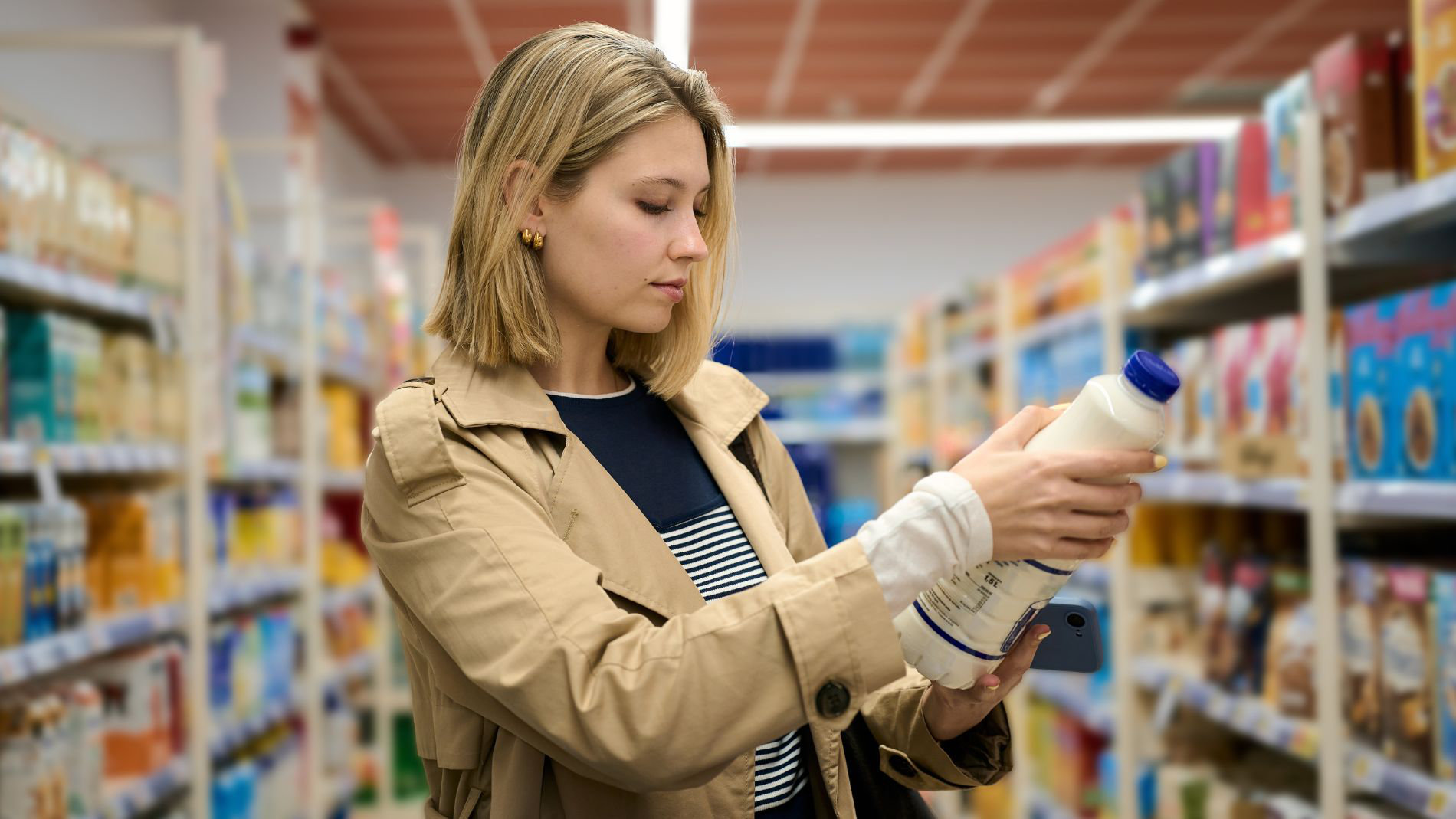
A widely reported retail experiment in the summer of 2023 illustrated how price relationships change when the environmental costs are made clearly visible. For a week, around 2,200 branches of the PENNY supermarket chain sold nine products at their ‘true prices’, figures based on scientific calculations by Nuremberg Tech and the University of Greifswald, which quantified the environmental costs arising from climate change, water and soil pollution, and health impacts.
The results were unequivocal5: animal products saw their prices rise sharply. In some cases, sausages and cheese would have had to cost almost twice as much, while the price increase for a vegan schnitzel was only around five percent. At the time of the study, head researcher Tobias Gaugler stressed that the aim was not to moralise but to draw attention to the need for a public debate about the way in which the costs of our food system are being paid elsewhere – just not at the supermarket checkout.
The experiment demonstrated two things: firstly, that price relationships shift significantly once external costs are factored in. Plant-based products appear relatively cheaper; secondly, consumers are highly sensitive to price changes. Around 85 percent of those surveyed thought the ‘true prices’ were too high. Accordingly, sales fell sharply. At the same time, awareness of the environmental impact of foodstuffs rose significantly: following the campaign, around two-thirds of customers indicated that they were more aware of the true costs of food. The research team found it noteworthy that sales of a vegan schnitzel increased despite the price increase – presumably because the price difference compared to animal-based alternatives suddenly became much smaller.


Price parity as a gamechanger
Parallel to the debate about ‘true costs’, the market is already changing from within. Plant-based alternatives are gradually approaching the price level of animal-based products and, in certain cases, are already cheaper.
The 2025 ProVeg Price Study6 indicates a turning point for the first time: on average, a standardised plant-based shopping basket in Germany costs around five percent less than a comparable animal-based basket. At certain discounters such as Lidl, the price advantage is as high as 18 percent. In seven out of eight retail formats examined, plant-based products are now cheaper.
The annual study also compares substitute products, such as oat milk and cow’s milk, and vegan mince and beef mince, across different retail channels. Around half of the categories examined now cost less than their animal-based equivalents. Vegan alternatives are often cheaper than meat or cheese, especially when it comes to burger patties and sliced cheese.
For Dirk Liebenberg, this development is crucial: “Plant-based alternatives should be sold at a price no higher than that of animal products – ideally lower. Retailers are increasingly adopting this strategy and selling their own-brand, plant-based products at attractive prices. At the same time,” adds Liebenberg, “There has been an increase in the price of animal products.”
Greater transparency instead of just compensation
That true pricing can be more than just a short-term experiment has been shown by the Mehr.Wert e.V. association7 where marketing manager Stefanie Moritz is working on a science-based standard to measure environmental impacts in up to 13 categories. The aim is to create a product label that clearly illustrates environmental consequences and encourages change. It takes account of both freedom of choice for consumers and the need for change within businesses. The first products are expected to be on sale at the beginning of 2027. Agreements have already been made with renowned partners.
Moritz emphasises that the underlying compensation concept is explicitly about change: “A company must first credibly show why it cannot reduce its emissions any further before a financial remedy can be offered.” The funds are then channelled into regional renaturation and climate-adaptation projects. For example, to mitigate heat in cities such as Stuttgart or to support regenerative agriculture.
Price as a driving force for protein transformation
Price is increasingly becoming a strategic lever for the food revolution. On the one hand, true-cost initiatives show just how distorted prices are today. On the other hand, price parity is bringing plant-based alternatives from the margins into the mainstream.
Nevertheless, the price alone is not enough. Consumer decisions are still emotional, culturally influenced and highly habitual. There is growing pressure on the political and economic worlds to factor external costs into prices systematically, for example, through carbon pricing or by phasing out subsidies detrimental to the climate. An increasing number of initiatives and organisations can demonstrate how to do this: without maximising profits but with corporate responsibility for the environment, health and the future.
Ultimately, this is about price consistency, i.e., prices that reconcile economic competitiveness with environmental realities. Only when consumers see more sustainable or plant-based products not as an expensive exception, but the obvious choice will the food system begin to shift fundamentally. Only then will the price of food no longer be just a market price. Then it will be a reflection of its true value.
Glossary: the economics of food prices
The price of food
The food price refers to the monetary value of a food product as paid on the market. It develops along the value chain from the costs of production, processing, transport, trade and marketing, as well as from supply and demand. In many cases, however, the market price does not reflect a product’s true societal costs, with the environmental impact, health costs and social consequences frequently being disregarded. It is precisely this discrepancy that lies at the heart of the debate on ‘true prices’, hidden costs and the internalisation of external effects. Food prices are therefore not merely economic signals, they are also an expression of political circumstances, global trade structures and societal value judgements.
External costs (externalities)
External costs or externalities occur when production or consumption has an impact on the environment or society, the financial consequences of which are not borne by those who cause them. Typical examples include greenhouse-gas emissions, biodiversity losses and nitrogen inputs into soil and water. In traditional economics, externalities are regarded as market failures, as prices do not fully reflect the actual social costs. International organisations, such as the OECD, have made significant advances in developing methods for measuring and assessing such effects.
https://www.oecd.org/environmentHidden costs
Hidden costs refer to the discrepancy between a product’s market price and the true total social cost of that product, including all the environmental, health and social consequences. The term is used primarily in welfare economics and in political debates on sustainable food systems. The 2024 State of Food and Agriculture (SOFA) report by the FAO estimates these hidden costs to be around 12 trillion US dollars annually worldwide. The bulk of these costs are attributable to health-related expenses arising from malnutrition, excessive sugar consumption, obesity and chronic diseases.
https://www.fao.org/publications/sofaInternalisation
Internalisation refers to the inclusion of external costs in market prices in accordance with the polluter-pays principle. This can be achieved, for example, through taxes, regulation or instruments such as carbon pricing. The aim is to correct distorted price signals and increase the competitiveness of more sustainable alternatives. International institutions such as the World Bank and the OECD are developing economic instruments and policy frameworks to this end. In practice, striking a balance between environmental policy effects and social acceptability continues to be a major challenge.
https://www.worldbank.org/en/topic/climatechange/carbon-pricing
https://www.oecd.org/environment
Fair prices
Fair prices define a price level that guarantees farmers a living income and ensures minimum social standards along the supply chain. Shaped by initiatives such as Fairtrade International, the focus is on the fair distribution of real value added. The concept is designed to counteract structural imbalances and combat the market power of food retailers over agricultural businesses with the aim of establishing trading mechanisms that can secure producers’ incomes in the long term.
https://www.fairtrade.netTrue prices
The aim of the ‘true prices’ approach is to illuminate all the environmental, social and health-related costs associated with a product transparent and to fold them into the price. Developed primarily by the True Price Foundation, the biggest challenge to true prices remains the scientifically robust monetisation of complex knock-on effects.
https://trueprice.orgTrue Cost Assessment (TCA)
True Cost Assessment is an analytical method that measures the full costs and benefits of products, companies or nutritional systems. In addition to financial indicators, TCA also takes account of natural, social and human capital. International organisations such as the FAO, as well as scientific networks, are working to promote methodological standardisation. The aim is to achieve greater transparency with regard to previously invisible influences on supply chains and to provide a sound basis for political, corporate and investment decision-making. Key challenges here include data availability, standardisation and comparability.
https://www.fao.orgSources
1 FAO: The State of Food and Agriculture 2025, 27.05.2026.
2 Die versteckten Kosten der Ernährung Was kostet uns unsere Ernährung – für Gesundheit und Umwelt? (in German only), 27.05.2026.
3 Lebensmittelpreise: Wer profitiert von unserer Ernährung? (in German only), 27.05.2026.
4 Steigende Lebensmittelpreise: Fakten, Ursachen, Tipps, (in German only), 27.05.2026.
5 Wunsch nach Transparenz von Lebensmitteln ist messbar gewachsen – Ergebnisse der Wahre-Kosten-Kampagne mit Penny liegen vor, (in German only), 27.05.2026.
6 Preisstudie 2025:Pflanzlicher Warenkorb im Schnitt erstmals günstiger als tierischer, (in German only), 27.05.2026.
7 Website von Vereint. Mehr. Wert. (in German only), 27.05.2026.
All images: Canva