Reading time: 4 minutes
For more than 65 years, Reichenbach Butchery has been based here. What began as a small family-run butcher’s shop has developed into a craft-led business with a firmly established place in the region.
Growing Step by Step
The foundations were laid by Max and Anneliese Reichenbach, who took over the Muckle butcher’s shop in Glottertal in 1960 — the very business where Max had completed his apprenticeship. Before that, the couple had already operated their own pig farm in Opfingen. From this emerged a concept that was unusual at the time and has been consistently pursued ever since. What started as a modest butcher’s business quickly expanded. In 1962, the company opened its first mobile market stall at Freiburg Minster Market, followed in 1976 by its first branch outside the Glottertal Valley in Gundelfingen.
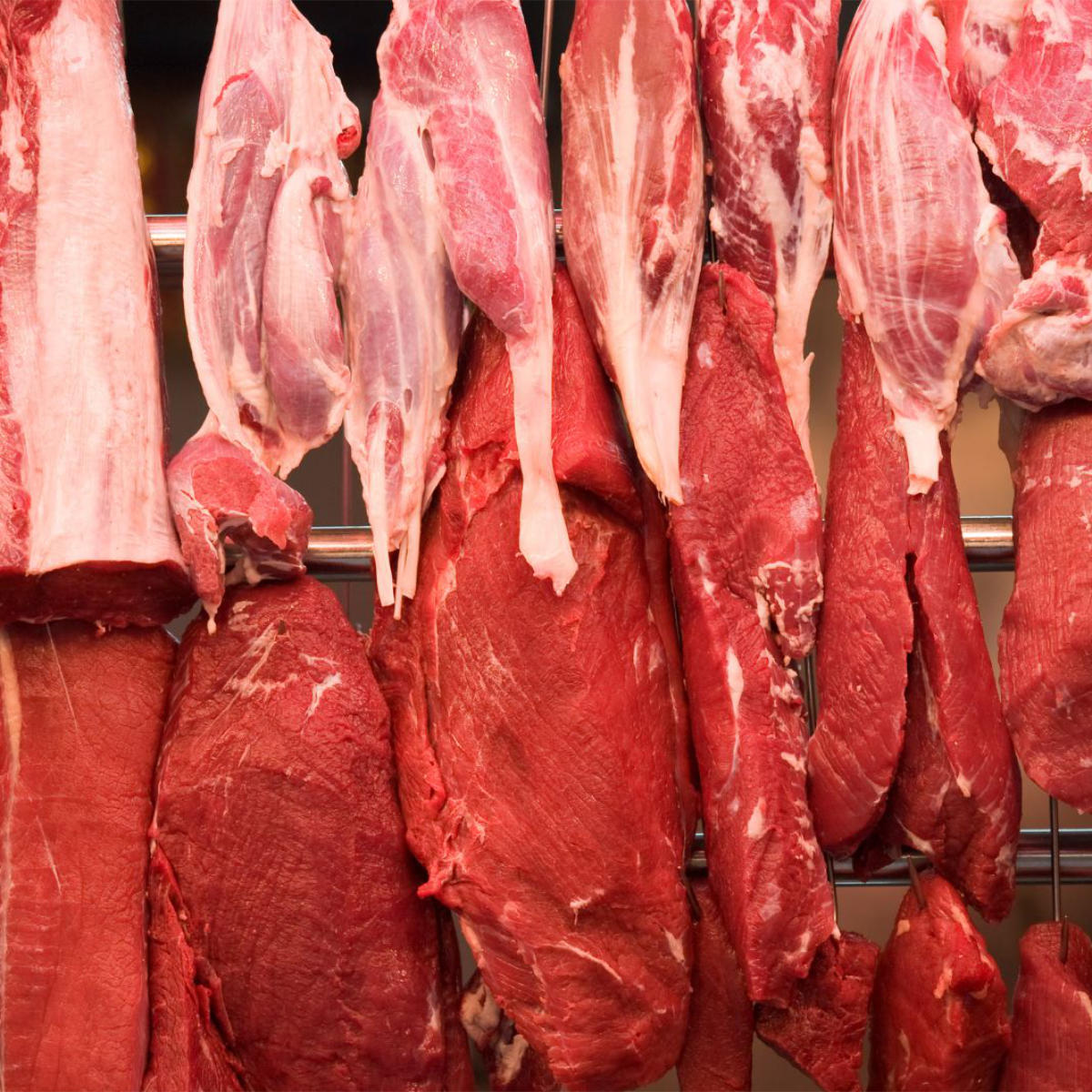
In the early 1990s, 22-year-old Ulrich Reichenbach took over the business from his parents. Shortly afterwards, a modern production facility with retail space was established in the commercial area at the entrance to the Glottertal Valley. At that point, the company had already been approved as an EU-certified operation for slaughtering, meat processing and production. In 2012, the main retail space was redesigned and equipped with environmentally friendly refrigeration technology, a photovoltaic system and innovative ageing rooms. Today, visitors entering the flagship store see smoked sausages, a well-stocked fresh meat counter and a business that does not hide its processes. “We do not operate anonymous production behind closed doors. Consumers can and should see how healthy food products are made. Only then can genuine appreciation for the product develop,” explains the owner.
From Pasture to Counter to 24/7 Shop
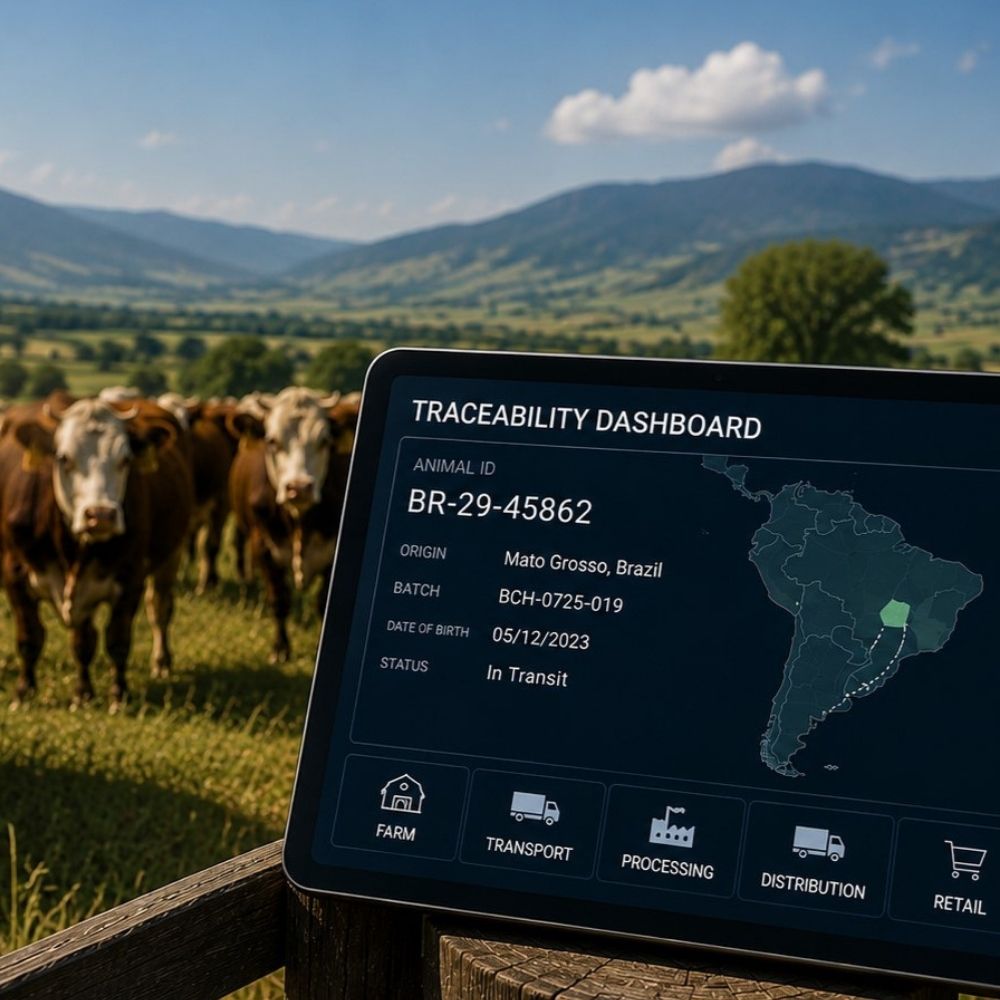
The core of the Reichenbach philosophy can be summed up in a few words: everything from a single source. In practice, however, this is far from commonplace.
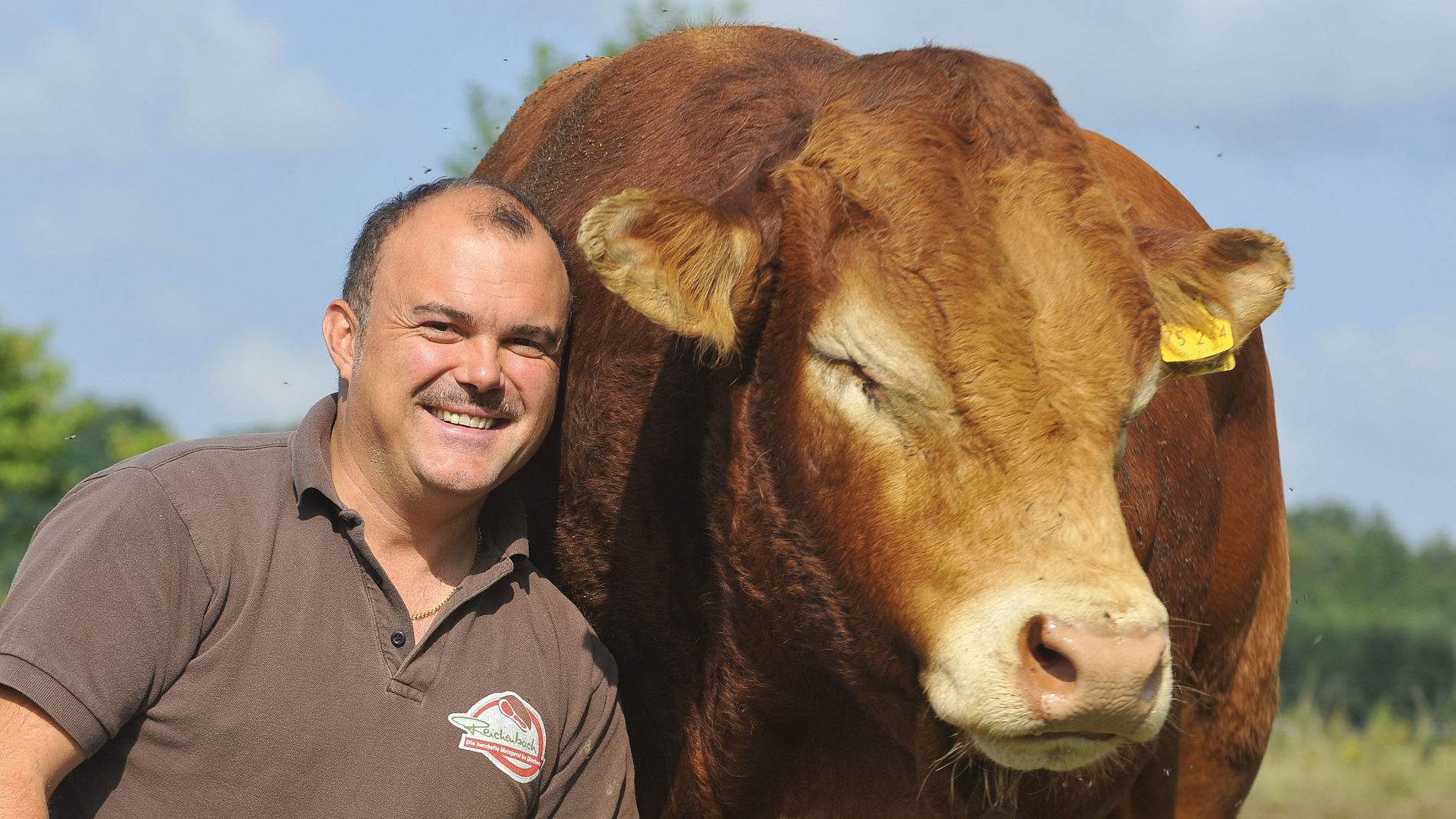
Cattle and pigs are raised in species-appropriate conditions on pastures and in nature conservation areas in the Black Forest, as well as in spacious animal welfare barns without tethering systems. The animals are fed exclusively with GMO-free feed produced on the farm.
In 2020, in cooperation with the Engler family in Buggingen and with planning support from the University of Hohenheim, the company moved into what it describes as “the first pig hotel in southern Germany” — an animal welfare barn meeting the highest husbandry standards. A further animal welfare barn followed in 2021 at the company’s agricultural operation in Glottertal.
Slaughtering takes place in the company’s own EU-certified facility in Glottertal. The finished products are sold exclusively through Reichenbach’s own outlets — not through supermarkets or discount retailers.
Alongside the main branch in Glottertal, Reichenbach operates additional village butcher’s shops, mobile market stalls across the region and an online shop. The mail-order business led to the launch of the company’s own online brand, Der Schwarzwälder, in 2020, which now operates nationwide and also ships fresh meat products.
In 2023, the first Reichenbach 24-hour shop opened in Glottertal — according to the company website, the first 24-hour butcher’s shop in Baden-Württemberg. A further self-service butcher’s shop followed in Oberbergen in the Kaiserstuhl region in 2024.
Responsible Animal Farming
Not all animals come from the company’s own farms. Around 150 selected partner farms from the region supply Reichenbach. What matters is that all suppliers follow the same principles: species-appropriate husbandry, regional feed and short transport routes.
This collaboration with small-scale regional farms represents both reliability and an economic model that extends beyond the company’s own operations. In 2022, Reichenbach also established its own Wagyu breeding programme on the agricultural land of Freiburg’s Mundenhof. The products are marketed under the brand name Black Forest Wagyu.
As a certified partner of the Southern Black Forest Nature Park, Reichenbach regards regionality not as a marketing slogan but as part of its daily work. The preservation of the Black Forest’s natural and cultural landscape, support for regional agriculture and a strong commitment to animal welfare shape the company’s operations.
Since 2020, Reichenbach has also held continuous certification for assured sustainability from the German Institute for Sustainability and Economics.
Advancing Whole-Animal Utilisation
Another step towards consistent whole-animal utilisation came with the founding of Schwarzwälder Tierfuttermanufaktur GmbH (pet food manufacturer) last year. A dedicated production facility is currently being built in the Kaiserstuhl region.
The idea aligns closely with the company’s existing philosophy: making the best possible use of the animal and ensuring that high-quality raw materials do not go to waste. Products that are not sold at the meat counter can therefore be processed into animal feed. In this way, the company is extending its commitment to responsibility from farming through to final utilisation.
Tradition Meets Modern Technology
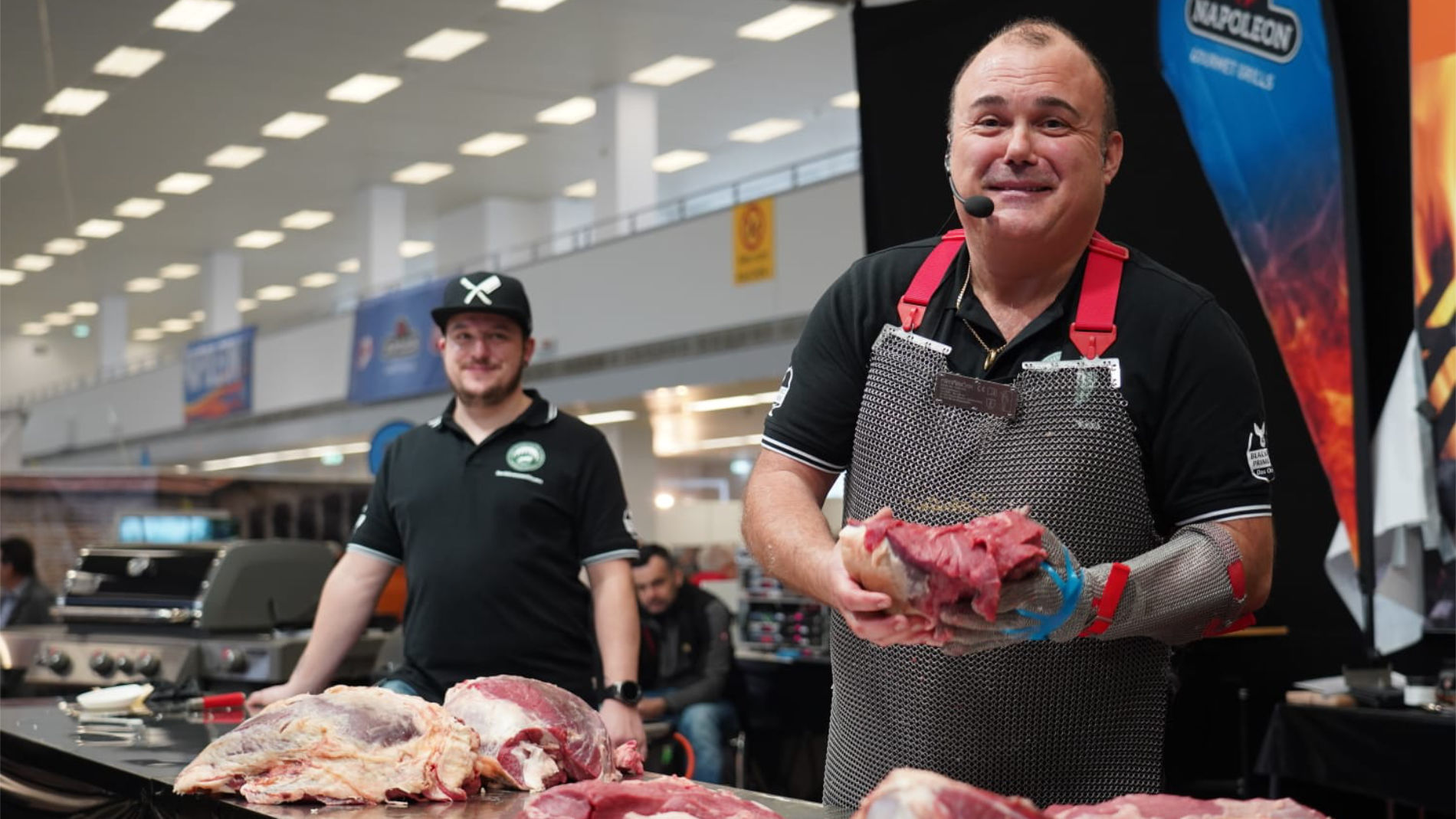
“What is considered a trend today has long been tradition for us,” says Ulrich Reichenbach. He is referring to transparency, short supply chains, direct sales and animal welfare — all topics that have been part of the company’s philosophy for decades.
Some recipes for sausages and traditional Black Forest specialities date back more than 100 years and continue to be maintained today.
At the same time, the company has repeatedly invested in modern technology, including processing systems, refrigeration, logistics, photovoltaic installations and environmentally friendly cooling technology. The higher production costs associated with this model are offset through direct sales and the absence of intermediaries.
As early as 2014, Reichenbach Butchery received a special award for sustainability and environmental technology. The company continues to follow this path today. Three years ago, it introduced Germany’s first fully electric refrigerated delivery vehicle, and last year expanded its photovoltaic capacity to more than 280 kWp.
Transparency Welcome
Visitors to Reichenbach Butchery will find far more than just a retail shop. The business also offers catering services, lunchtime dining and the opportunity to host private celebrations on-site.
And for anyone wishing to understand more about how pasture, livestock farming, slaughtering and sausage production are connected, the company offers insights into its operations. In doing so, it makes visible what defines excellent traditional butchery craftsmanship: provenance, expertise and responsibility.
Alle images: Metzgerei Reichenbach
People in the Butchery Trade

The people who work with meat and sell meat products are just as diverse as the tasks involved in the butchery trade.
Our global series profiles creative and skilled individuals, from traditional butchers to those who have switched careers.