
Reading time: 2 minutes
Today’s packaging can do far more than simply protect products. It helps keep goods fresh for longer, reduces food waste and makes recycling easier. Against the backdrop of interpack, this article explores the latest developments in materials and technologies.
Enhanced Functionality
Packaging now performs many functions beyond basic product protection. Intelligent technologies add functionality and create value through what is known as smart packaging. A distinction is made between active and intelligent packaging.
Active packaging extends shelf life, freshness and food safety by interacting with the product or its surrounding environment. Examples include moisture regulators, oxygen absorbers and ethylene absorbers. Antimicrobial substances such as silver compounds, plant extracts or the biopolymer chitosan can be applied as coatings or incorporated directly into the packaging material.
Intelligent packaging uses sensors and indicators to monitor product condition. It can provide information on temperature, freshness, storage duration and package integrity. Time-temperature indicators, for example, show the actual freshness status of a product. In transport packaging, indicators can reveal exposure to factors such as moisture or temperature fluctuations.
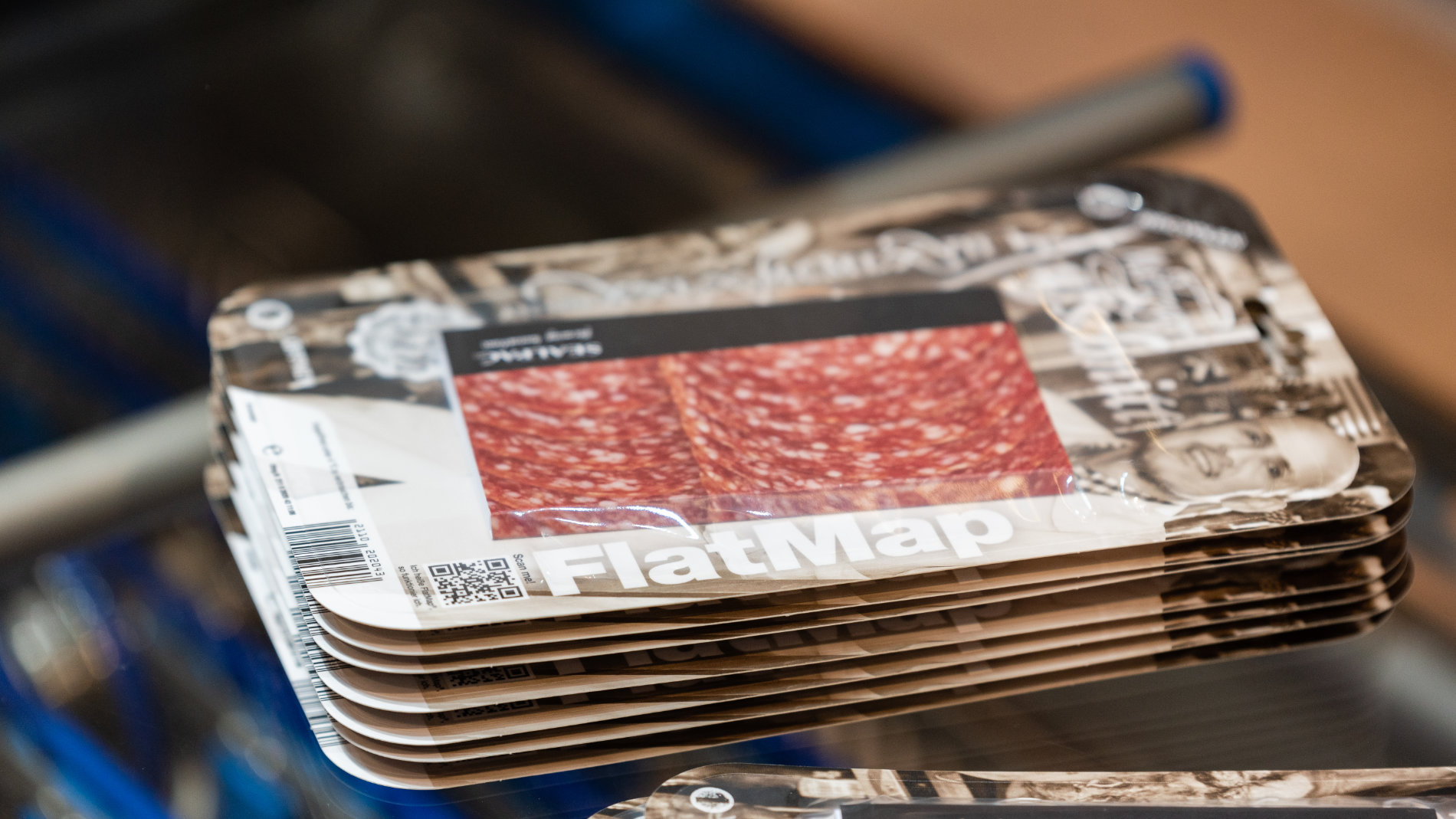
In the context of Industry 4.0 and the Internet of Things (IoT), packaging becomes extended packaging through QR codes, RFID tags and NFC tags. The data stored in these technologies enables traceability throughout the entire value chain – from production and distribution to recycling. The digital product passport increases transparency, supports product recalls and facilitates material sorting.
Track-and-trace solutions also help identify weaknesses in supply chains. RFID and NFC technologies document locations, transport routes and potential breaks in the cold chain. This improves logistics processes and reduces costs.
Circular Materials
The circular economy and recyclability are key priorities for the global packaging industry. After use, packaging should be returned to material cycles wherever possible.
Flexible plastic packaging often consists of multilayer films that are difficult to recycle. As a result, demand is growing for mono-material solutions made from PE, PET or PP. Multi-layer mono-material films combine different properties of the same polymer, providing effective product protection while improving recyclability.
Fibre-based packaging made from paper and board is also becoming increasingly important. As wood is a finite resource, manufacturers are actively exploring alternative fibre sources such as grass, hemp and bagasse. These materials are often derived from agricultural residues and offer significant growth potential.
Barrier layers are used to enhance the functionality of mono-material packaging. Innovative barrier coatings, proteins and bio-based waxes improve performance while maintaining recyclability.
Demand for biodegradable bioplastics is also increasing. Feedstocks include maize, sugar cane and cellulose. Alternative raw materials such as algae, mycelium and chitin are gaining attention as well. Algae provide natural barrier properties, mycelium-based materials offer lightweight protection for transport packaging, and chitosan combines biodegradability with antimicrobial performance.
Design for Recycling
Design for Recycling means considering the end of a package’s life cycle from the very beginning of the development process. The aim is to create packaging that can be recycled as easily as possible and whose materials can be returned to the circular economy.
The concept includes material reduction, optimised packaging geometries and improvements in logistics and waste collection. Packaging should be easy to separate into its components and clearly assignable to specific recycling streams.
Key principles of recycling-friendly packaging design include:
- Using mono-materials instead of difficult-to-separate multilayer structures
- Avoiding problematic additives
- Using closures and labels made from the same material as the packaging wherever possible
- Minimising plastic content in paper-based packaging
- Avoiding heavily coloured materials
- Using easily removable labels instead of full-body sleeves
- Designing packaging for maximum product emptying before disposal
However, effective circularity also depends on efficient collection and recycling systems. Without the necessary infrastructure, even recyclable packaging cannot be successfully returned to material cycles.
Full article
The original article and further information on this topic are available from VDMA:
interpack Top Theme: Innovative Materials - vdma.eu - VDMA