
Reading time: 5 minutes
With a population of 27 million and only around 3,000 butcher shops, Australia has seen a steady decline in traditional butcher businesses despite Australians being among the world’s most enthusiastic meat consumers, with an average annual consumption of around 90 kilograms per person. While owner-operated butcher shops once shaped many town centres, the surviving businesses are now more commonly found in busy shopping centres. Most Australians prefer to purchase their meat and smallgoods alongside the rest of their groceries in supermarkets.
From Germany to Adelaide: A Butchering Family Starts a New Life
The Knoll family has successfully adapted to this structural transformation. Their butchering heritage can be traced back to 1924. In 1956, newlyweds Hans and Anna Knoll, now aged 94 and 93 respectively, emigrated from Germany to Australia as the second generation of a family of butchers. They first settled in Rapid Bay, around 70 kilometres from Adelaide, South Australia’s capital, where Anna’s brothers helped them establish a new life. Hans Knoll, who had qualified as a master butcher in 1949, initially worked in a quarry before spending three years in sausage manufacturing businesses. In 1961, he opened his own butcher shop.
Their eldest son Franz joined the family business in 1972, determined to continue the trade. “During a three-month stay at Vollman Butchery in Weilheim, Germany, I learned much of what there is to know about sausage making,” recalls the now 68-year-old. “Although production methods are essentially the same everywhere, the raw materials and machinery I encountered in Australia were quite different from those in Germany.”
Unlike Germany, Australia had no comparable dual vocational training system for the meat industry. Franz therefore expanded his expertise by working in various Australian businesses. After his father sold the family butcher shop in 1968, Franz attempted to establish his own business in Sydney. Although that plan never materialised, he soon found a more promising opportunity. In 1991, he leased a small outlet in Adelaide’s Central Market.
Founded in 1869, the market is home to more than 80 traders offering fresh produce, premium meats and gourmet products. It proved to be the ideal location. “Adelaide is very German,” says Knoll, referring to the region’s history. In 1838, German Lutherans fled religious persecution under King Frederick William III of Prussia and settled in South Australia. One of the earliest German settlements was Hahndorf, located in the renowned Barossa Valley wine region, where German bakeries and butcher shops still thrive today.
Having established a successful presence in Central Market, Knoll steadily expanded the business. He acquired Australian, German and even Polish companies whose owners were retiring without successors. A significant step came with the purchase of a factory producing fresh and smoked fish products and processing seafood. The move broadened the company’s portfolio and led to the creation of the name Barossa Fine Foods.
Franz met his wife Barbara, an Australian of German descent, through the Schuhplattler dance group at Adelaide’s German Club. Although he has largely stepped back from day-to-day operations, he still lends a hand when needed. “That arrangement keeps everyone happy,” he says.
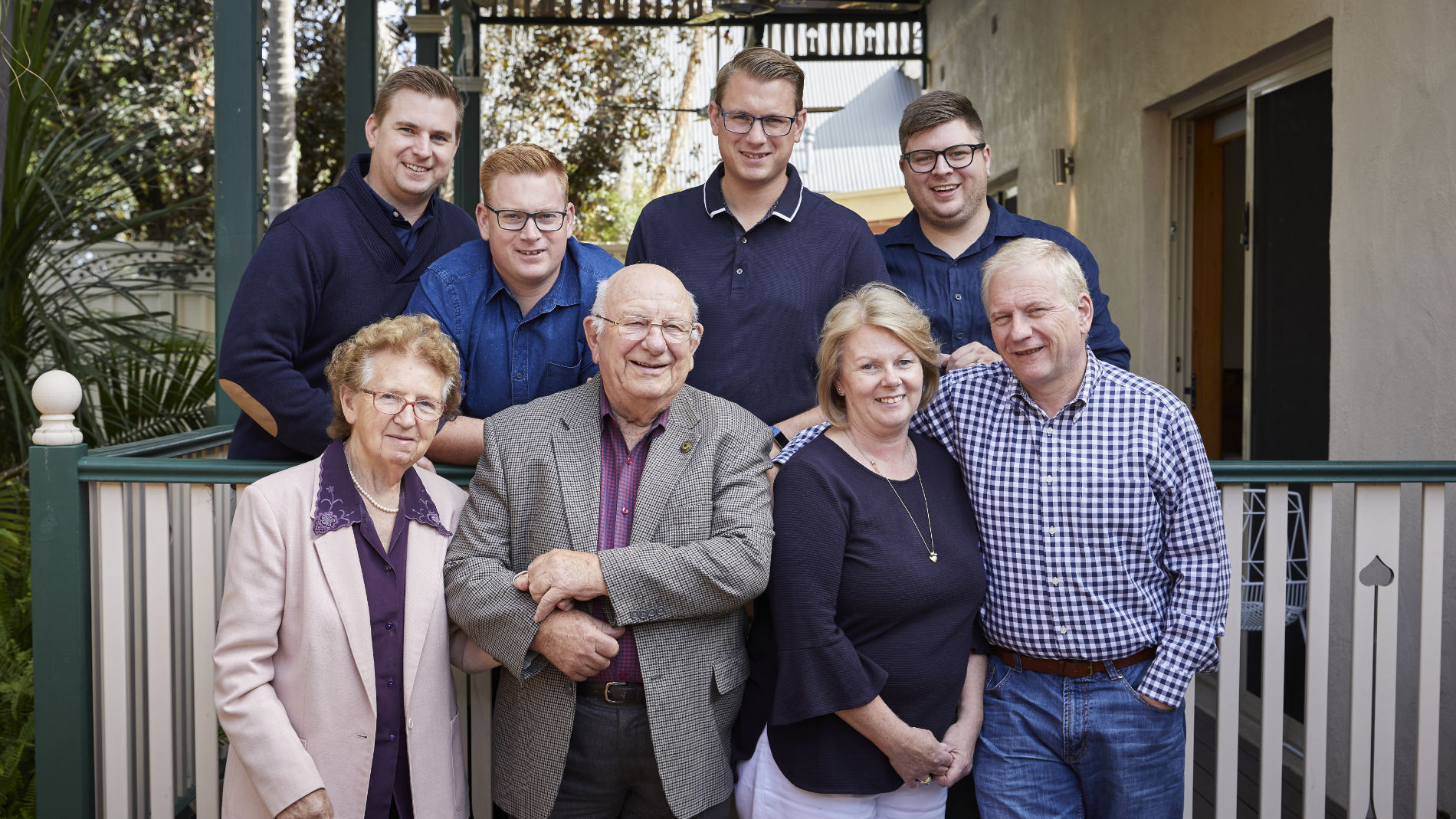
Today, all four of his sons—Dieter (44), Stephan (43), Andreas (42) and Alexander (41)—work within the family business. Stephan and Andreas studied marketing and accounting, while Dieter and Alexander joined directly after school. “Each of them has their own strengths and understands the business from the ground up,” says Knoll. “Together they complement one another perfectly.”
Combining Tradition and Diversity to Become a Quality Leader
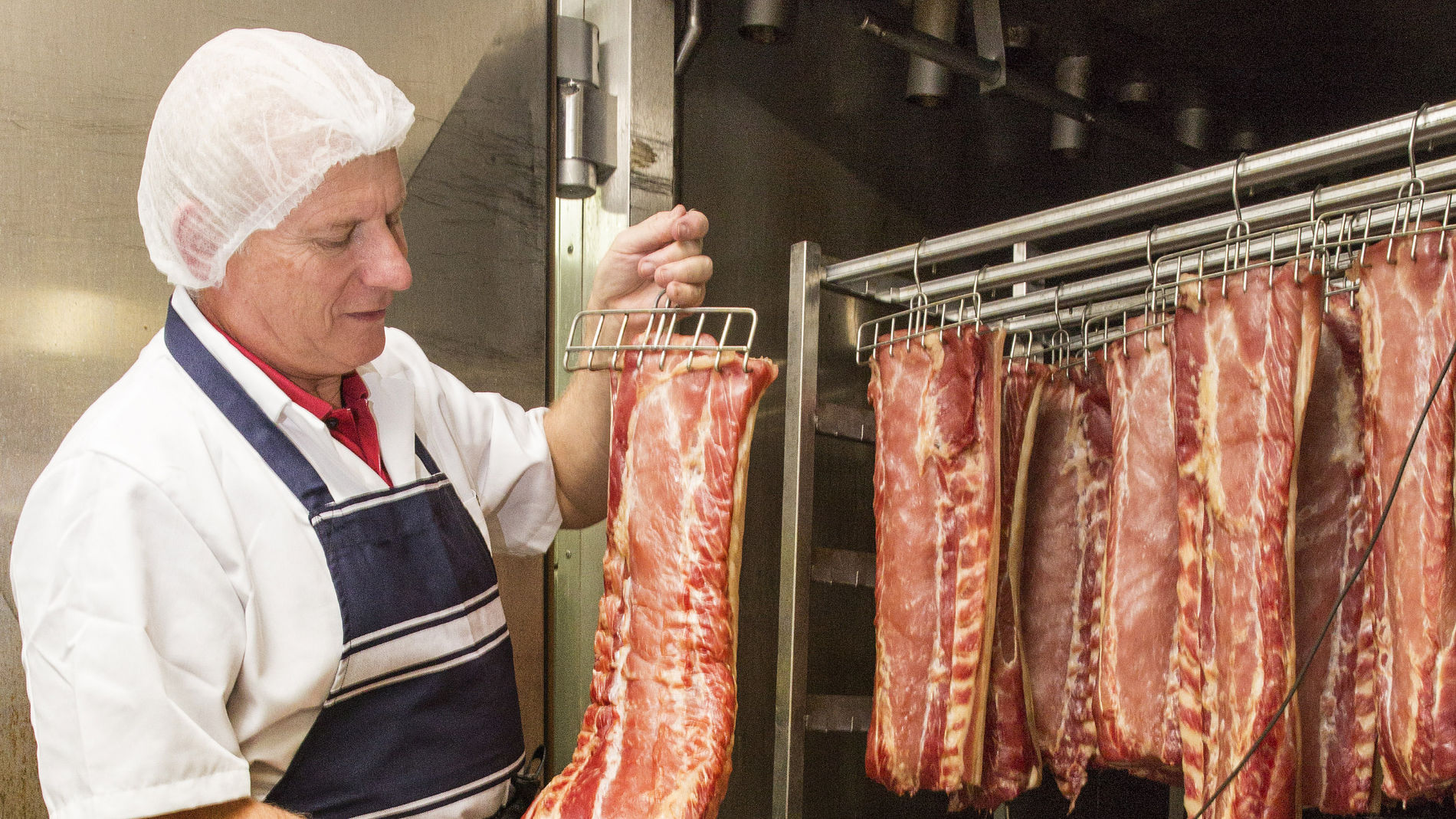
Producing around 60 tonnes of meat, smallgoods and seafood each week, Barossa Fine Foods is not among Australia’s largest meat processors. Instead, the company positions itself as a specialist and quality leader. “We always strive to offer the best product possible,” emphasises Knoll. The company employs around 300 people from 17 different nationalities. Approximately one-third work in retail, another third in production, while distribution takes place through eleven company-owned retail outlets and wholesale channels. Nearly all major supermarket chains in Adelaide are supplied by Barossa Fine Foods.
Australia’s multicultural population has had a profound influence on food culture and eating habits, and meat producers have adapted accordingly. “Everyone makes their sausages a little differently here,” says Knoll. “Everyone brings their own recipes and experience.”
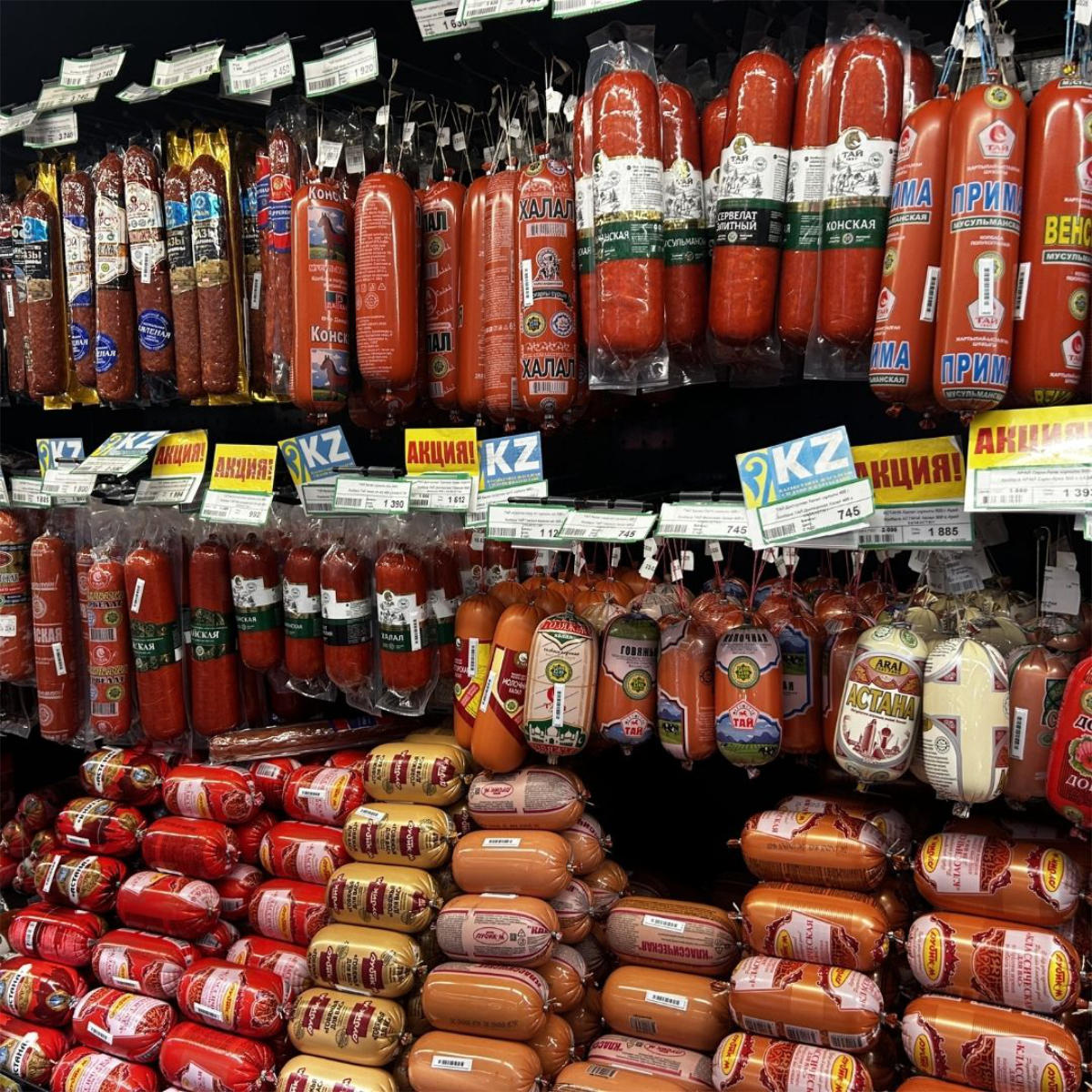
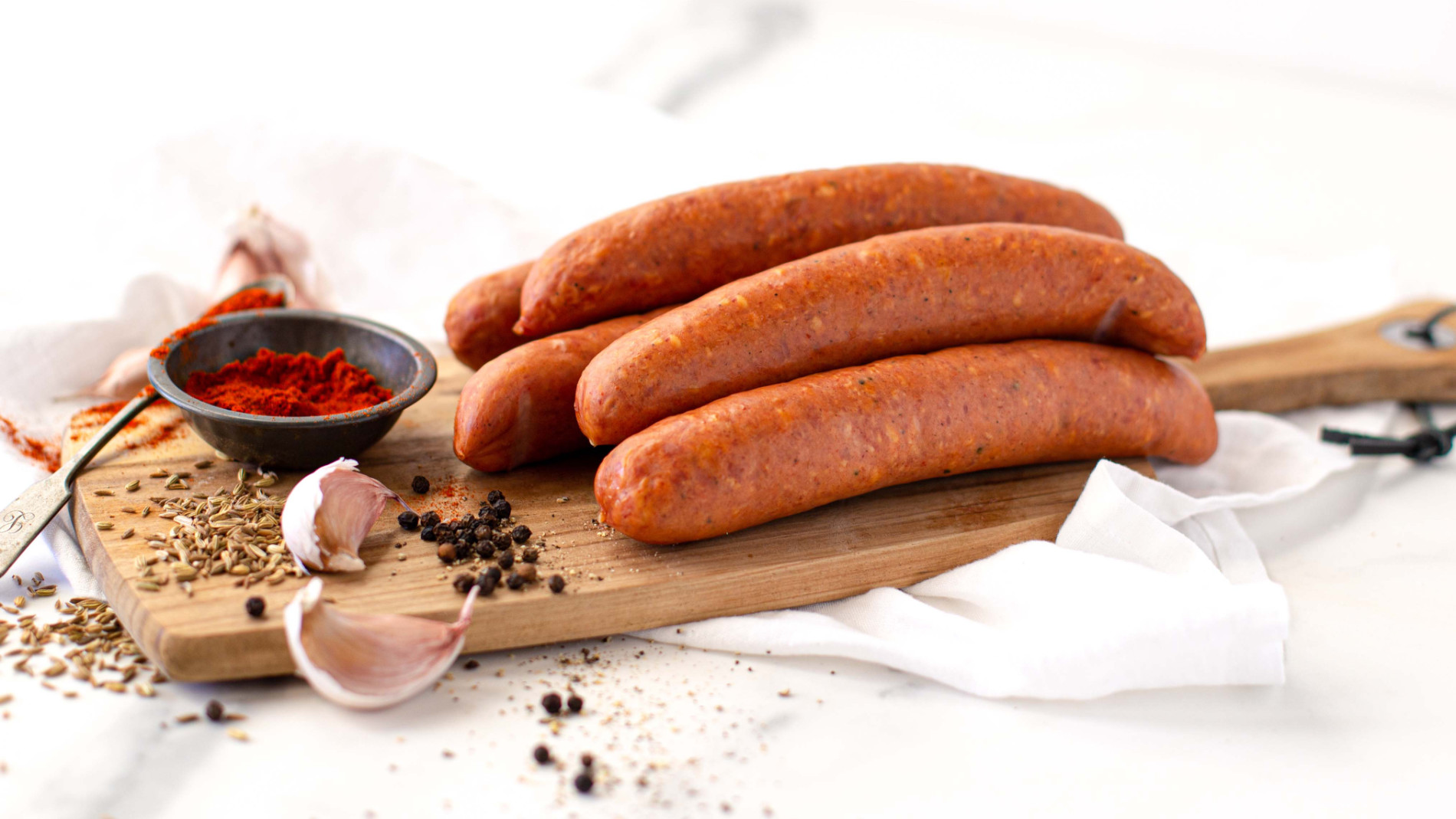
The Barossa Fine Foods portfolio reflects the tastes of customers from many cultural backgrounds. Alongside traditional German white sausages and Thüringer Bratwurst, the company produces heavily smoked and generously seasoned Polish Torunska sausages, chorizo, cevapcici, hot dogs, beef jerky and a variety of ham and bacon specialities.
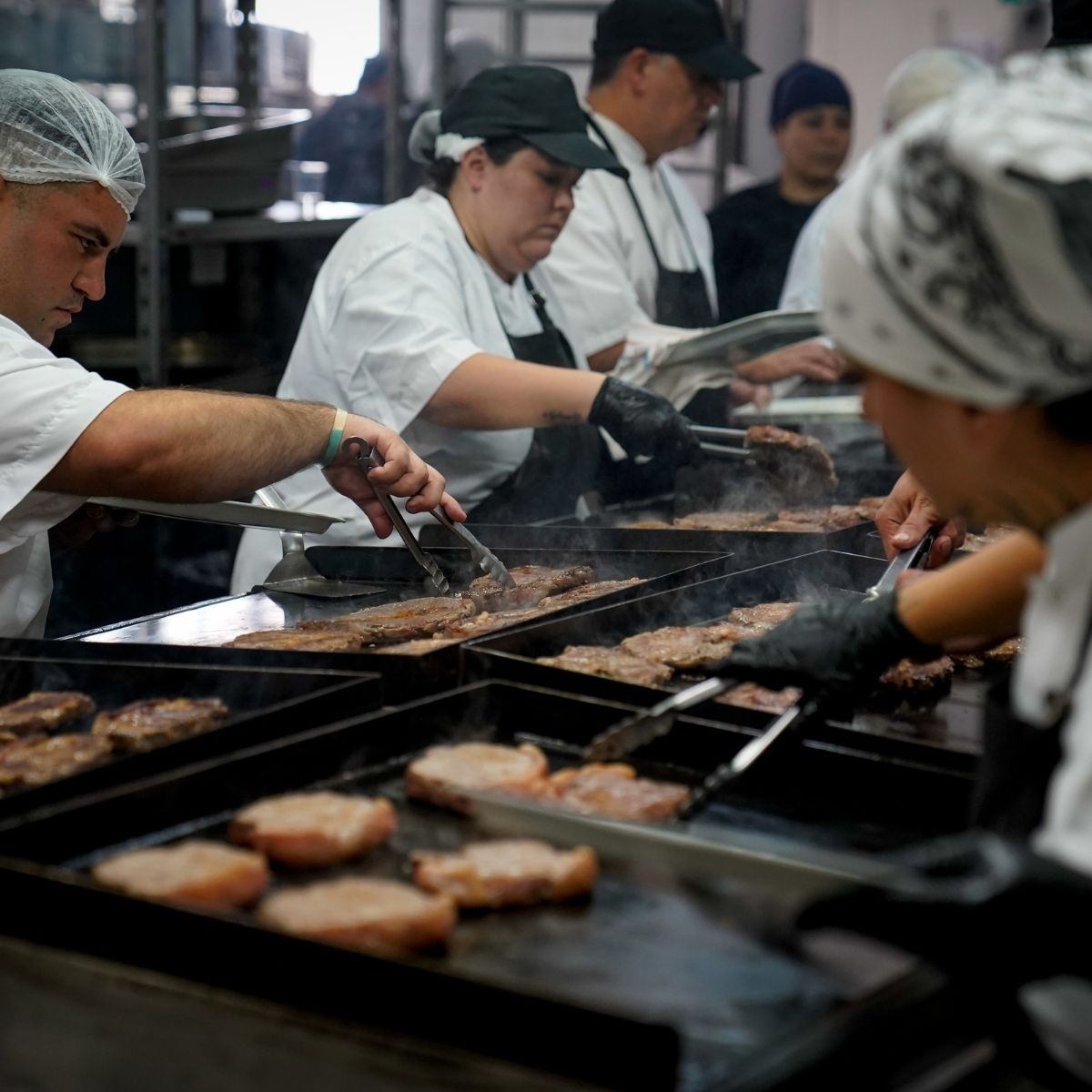
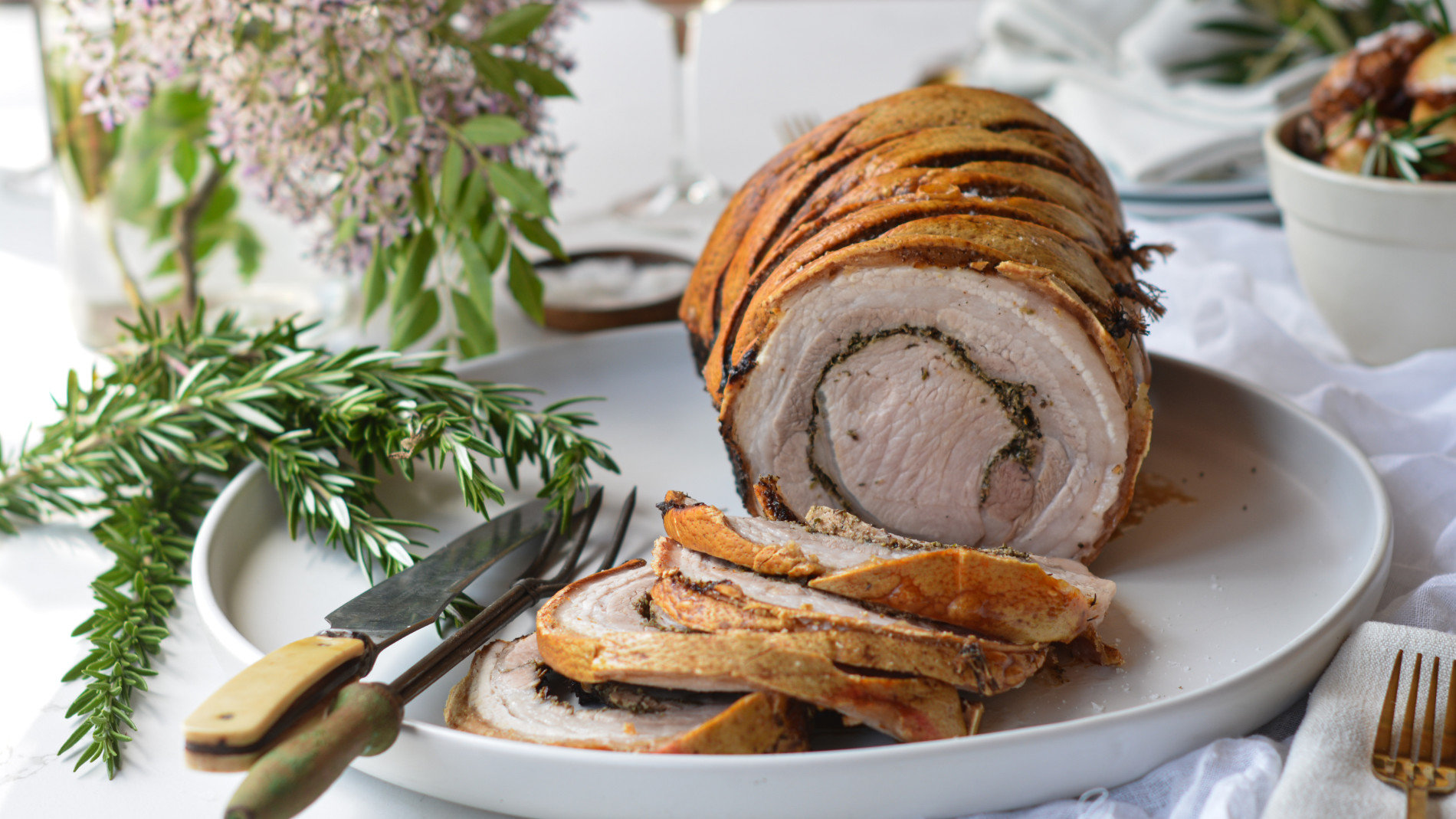
The range is further complemented by fully cooked products such as chicken and pork shoulders or pork knuckles, supplied to supermarket hot-food counters. The iconic “Aussie Barbie” (Australian barbecue) remains a national favourite, driving demand for marinated porterhouse steaks, seasoned poultry skewers, lamb cutlets and legs, pork belly, spare ribs, chicken breast fillets and beef fillet.
Awards, Industry Challenges and a Commitment to Excellence
For most products, Barossa Fine Foods sources meat from local farmers in the Barossa Valley and rural South Australia, where livestock is raised under free-range and sustainable farming conditions. However, domestic supply is not always sufficient, making imports from the United States, Canada, Denmark, Belgium and the Netherlands necessary.
“Most Australian beef and lamb is exported overseas,” explains Knoll. Even pork, which is generally more affordable, faces supply shortages. Knoll attributes this partly to lower pig production efficiency compared with Europe. Australia’s strict import regulations have successfully prevented the introduction of diseases such as foot-and-mouth disease and African swine fever. “At the same time, our biosecurity measures prevent the import of live pigs and genetic material that could improve breeding progress,” he notes.
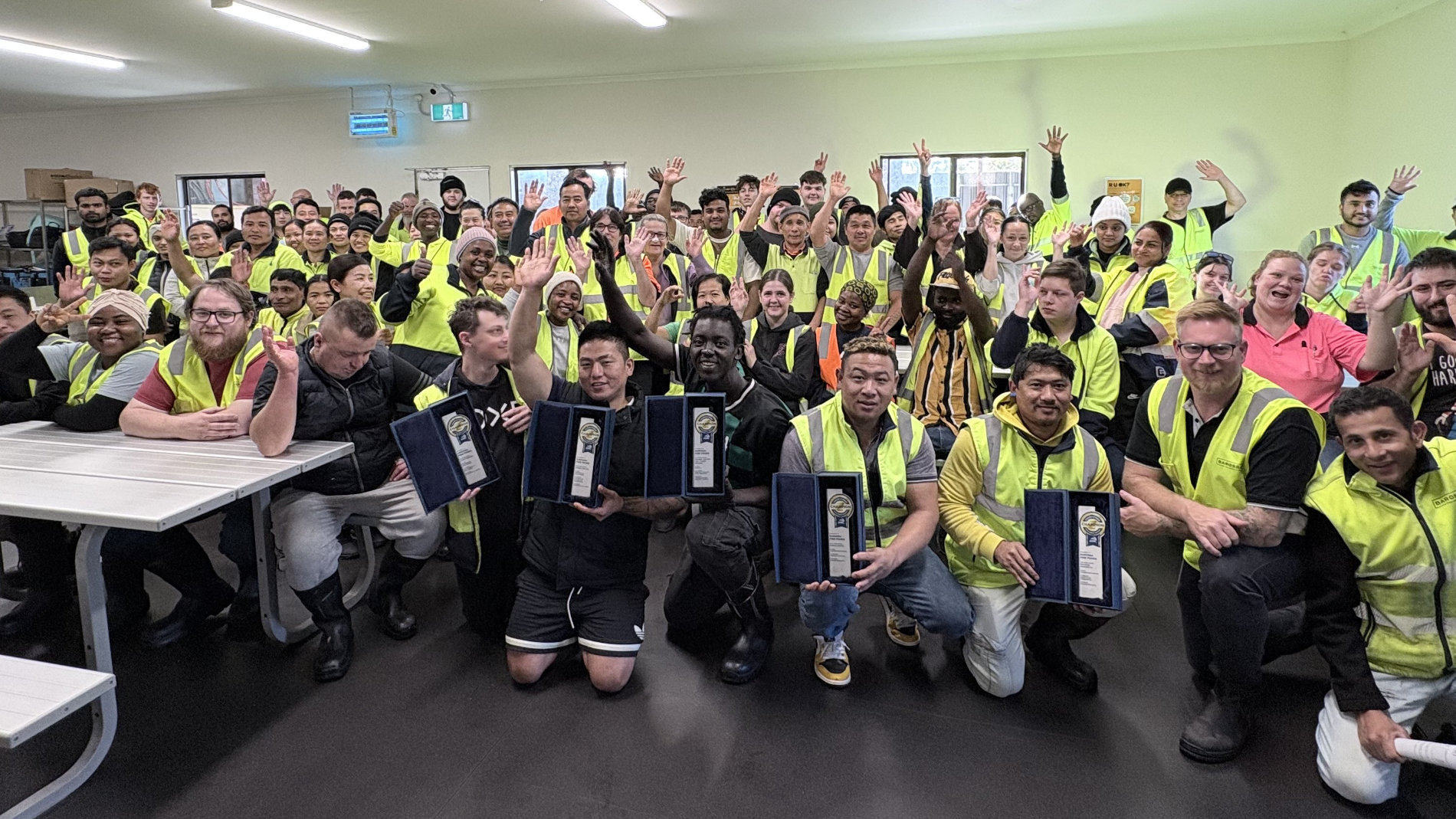
Improving the quality of finished meat products remains one of Knoll’s passions, a commitment shared by the Australian Meat Industry Council (AMIC). Around five years ago, the industry association launched the Australian Charcuterie Excellence Awards (ACEA), a national competition recognising excellence in meat products. Knoll serves as competition coordinator for artisan products while also participating as an entrant. At the most recent awards held in Melbourne in spring 2026, around 850 products from 100 companies were submitted. Barossa Fine Foods returned to Adelaide with five category championships across 37 categories, as well as 30 gold medals, 12 silver medals and one bronze medal.
“The awards provide an excellent springboard for Australian businesses and an ideal entry point into prestigious international competitions such as those held at IFFA in Frankfurt,” says Knoll. He is planning a trip to Germany in September 2026, during which he intends to visit the German Butchers’ Association in Frankfurt. Networking and industry advocacy remain close to his heart, although he jokingly refers to it as “old men’s stuff”.
“Whether in Australia or Germany, we need to pull together,” he says. “The same issues affect all of us in the meat industry.”
Meet the Knoll family: watch the interview hereAll photos: Barossa Fine Foods
Headerimage: Canva

People in the Butchery Trade

The people who work with meat and sell meat products are just as diverse as the tasks involved in the butchery trade.
Our global series profiles creative and skilled individuals, from traditional butchers to those who have switched careers.