
Reading time: 5 minutes

What does good food mean to you?
To put it simply, good food for me is something that tastes good and supports my mental, emotional and physical health - and, by extension, the health of the world around us. These things belong together.
To what extent does flexitarianism correspond to this ideal?
If one wants to define flexitarianism at all, then for me it is essentially a natural diet: fresh, colourful, varied, cooked with staple foods, and now and then good meat from better animal husbandry. Understood in this way, I consider this way of eating to be one of the healthiest. But I struggle with buzzwords because they are so elastic. I don’t need a label or a definition to know how I should eat well.
Do you have to be able to cook in order to live as a flexitarian?
You don’t necessarily have to be able to cook yourself. Your partner, family or someone else can cook. But without a source of fresh, home-cooked food, it becomes difficult. Because if I only eat highly processed ready-made products, I can call myself a flexitarian and still eat unhealthily. Then I strengthen neither myself nor the environment or the climate. That is why cooking is so important. Cooking for yourself is also an act of liberation, because it makes you more independent of an industry that serves us something over which we can hardly choose whether we want to eat it or not.
Are your cookbooks actually flexitarian?
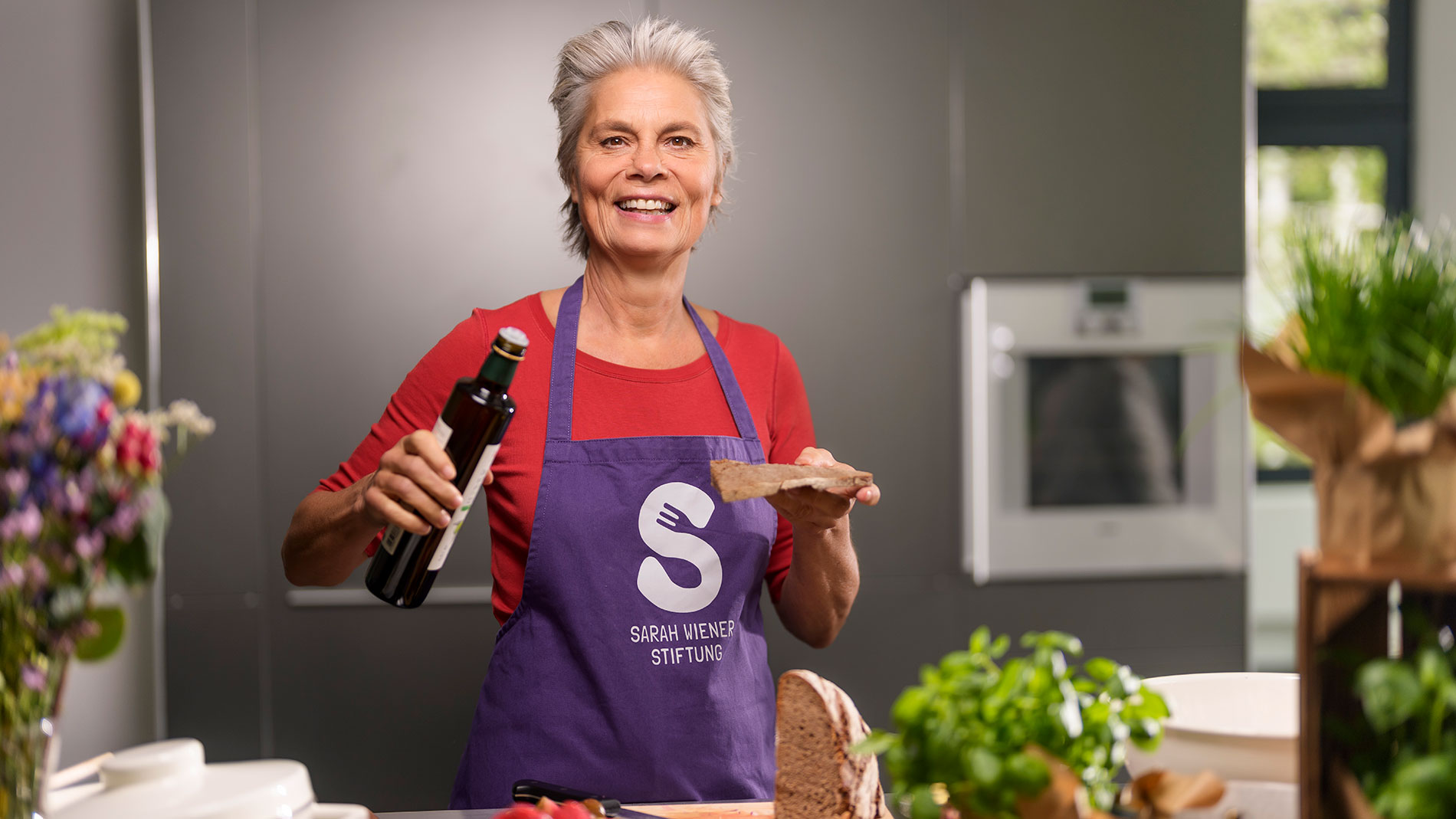
Yes, all my cookbooks are essentially flexitarian cookbooks. With an emphasis on vegetarian cuisine and a few meat or fish recipes. It has been like that for 30 years. But I won’t make a big point of using the term flexitarianism. I don’t like it when something that is simply lived becomes a category.
Would you describe yourself as a flexitarian?
If I had to tick a box in a questionnaire, I would probably describe myself as a flexitarian. But that still says very little. It does not say how I actually eat, whether I eat well, whether I cook fresh food, or what quality the food has. For some people, a term like that can be helpful. If it motivates them to eat less meat and better meat instead, that is a good thing. But at its core, learning to eat well does not come through labels, but through experience, taste, knowledge and practice.
Could you perhaps even be described as the inventor of flexitarianism?
No, I wouldn’t put it that way. But my long history with what is now called flexitarianism comes from the fact that, even 40 years ago, I saw an imbalance: the diversity of vegetables, fruit, pulses, grains, mushrooms and herbs on the one hand, and this excessive meat consumption on the other. It has always bothered me that meat is the centrepiece and vegetables are discriminated as a side dish. That limits people’s imagination, and the imagination of cooks and chefs. In my cooking programmes, I therefore often cooked vegetarian dishes because others were already cooking enough meat and fish. Today, it is more popular to reduce meat and to make something delicious from vegetables, pulses, mushrooms and other plant-based foods. In the past, many people did not even know how to place an aubergine or melanzani at the centre of a meal.
Can flexitarianism bring about a real shift in eating habits?
The term is elastic. You can already call yourself a flexitarian because you have eaten one vegetarian meal without meat. At the same time, I believe that many people today are aware of what is good for them and what is good for the world around them. Many want to eat less meat, also because good organic meat is expensive and because one does not really want to eat cheap meat from unknown origins. The difficult thing is this: many people do not have the routine of cooking something good from vegetarian ingredients. They do not know how meat can become merely an accompaniment. There is a longing for this, but often the practice is missing.
Why do you still hold on to meat?
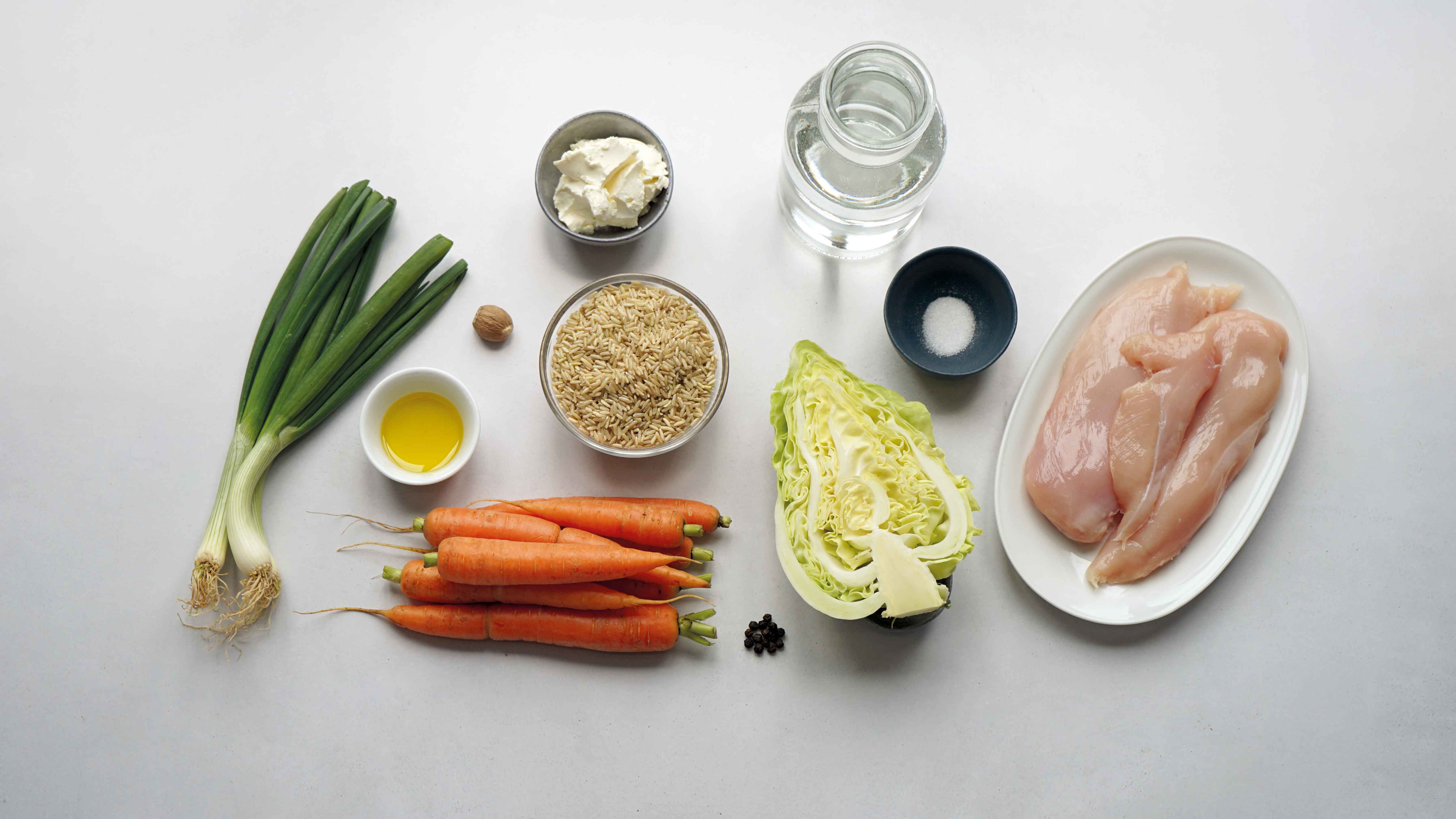
I like meat. Meat contains substances that plant-based foods do not have in the same way. Meat is a very potent food. If I had grown up vegetarian, I might not eat meat. But I know the different flavours of meat, the differences in processing and animal husbandry. That is why I handle it mindfully. For me, meat is in principle the most precious food we have. As long as I can afford meat from well-kept animals, I will eat a little meat. But overall we eat far too much meat; it has gotten completely out of hand.
“You also have to be able to afford the luxury of our debates about food.”
What bothers you about meat substitute products?
A great deal. It is not only that these products are industrial. It is about monopolisation, patenting and an impoverishment of taste. Highly concentrated plant proteins and fibres are often difficult to digest, in some cases more difficult than meat. Our metabolism has not known such products as food over a long period of time. We do not yet know what it means when we no longer eat something truly living, but something edible that has been tempered, heated to high temperatures, homogenised, divided up and pressed through an extruder. Industry recreates flavours. It takes a few aroma molecules and says: this is mango flavour now. But a real mango has hundreds of aromatic compounds. Richness, diversity, depth and perhaps also a kind of bodily intelligence are lost: what is good for me?
Food is not just taste and health. It is culture, identity, participation and craft.
Can meat substitute products become important in culinary terms?
My answer is fairly clear: no. Of course, anything can be seasoned and jazzed up. For me, meat substitute products are poor copies of an original. They are not a solution for making our food system more ecological, but a new branch of industry. Often, the meat industry itself is even behind them.
“Flexitarianism would actually be the natural way of life for all people.”
Is flexitarianism merely a bourgeois marker of distinction?
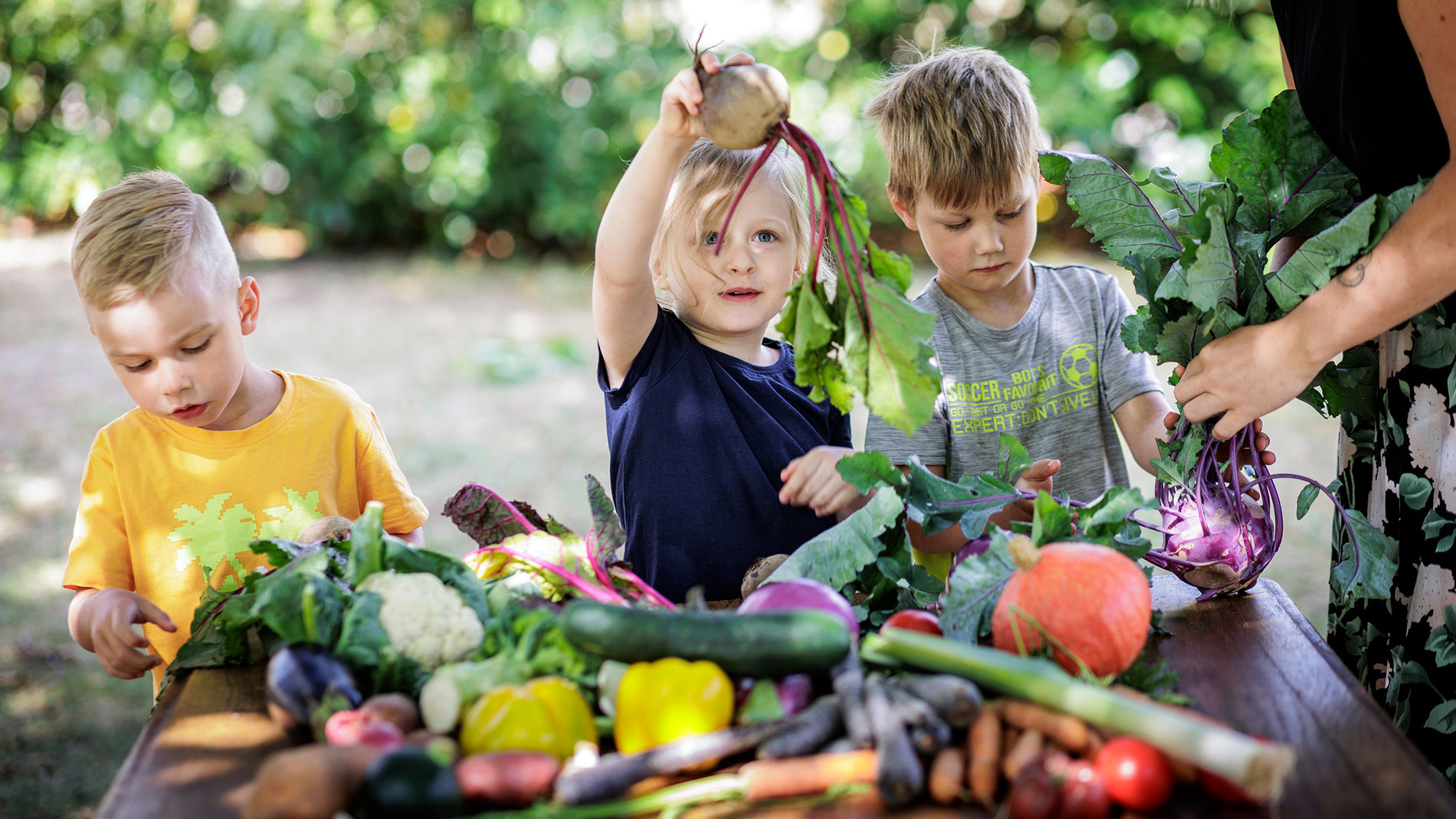
That is not how I see it. I believe flexitarianism was the natural way of life for all people. It has been lost through industrialisation, consumption and production. Natural flexitarianism is therefore a path into the future and must be part of food justice.
But we must not lose sight of the fact that we belong to the few per cent of people who, seen globally, are very well off. Even where we live, there are people who cannot afford organic vegetables or good meat.
If you look at other countries, our discussion becomes absurd. There, people fight for their existence every day. In some countries they eat a handful of rice three times a day, perhaps with a little greenery, and animal protein is a feast.
What does the division of society around food mean?
This division is evident both where we live and globally. Here, some people can afford everything, while others have to watch every euro. At the same time, one section of society uses nutrition as a means of distinction, as a definition of who one is: flexitarian, vegetarian, omnivore, pescatarian, palaeo diet, high protein, vegan. I think it is misguided when nutrition becomes the content of one’s life and a marker of distinction. It would be desirable if we could all eat in a healthier, fresher and more normal way again. And if not only a few people had the choice between sprayed and unsprayed food, but everyone could eat healthily, have a roof over their head and not have to fight for their existence every day. That would be a dream. But that is simply not how things are.
About Sarah Wiener
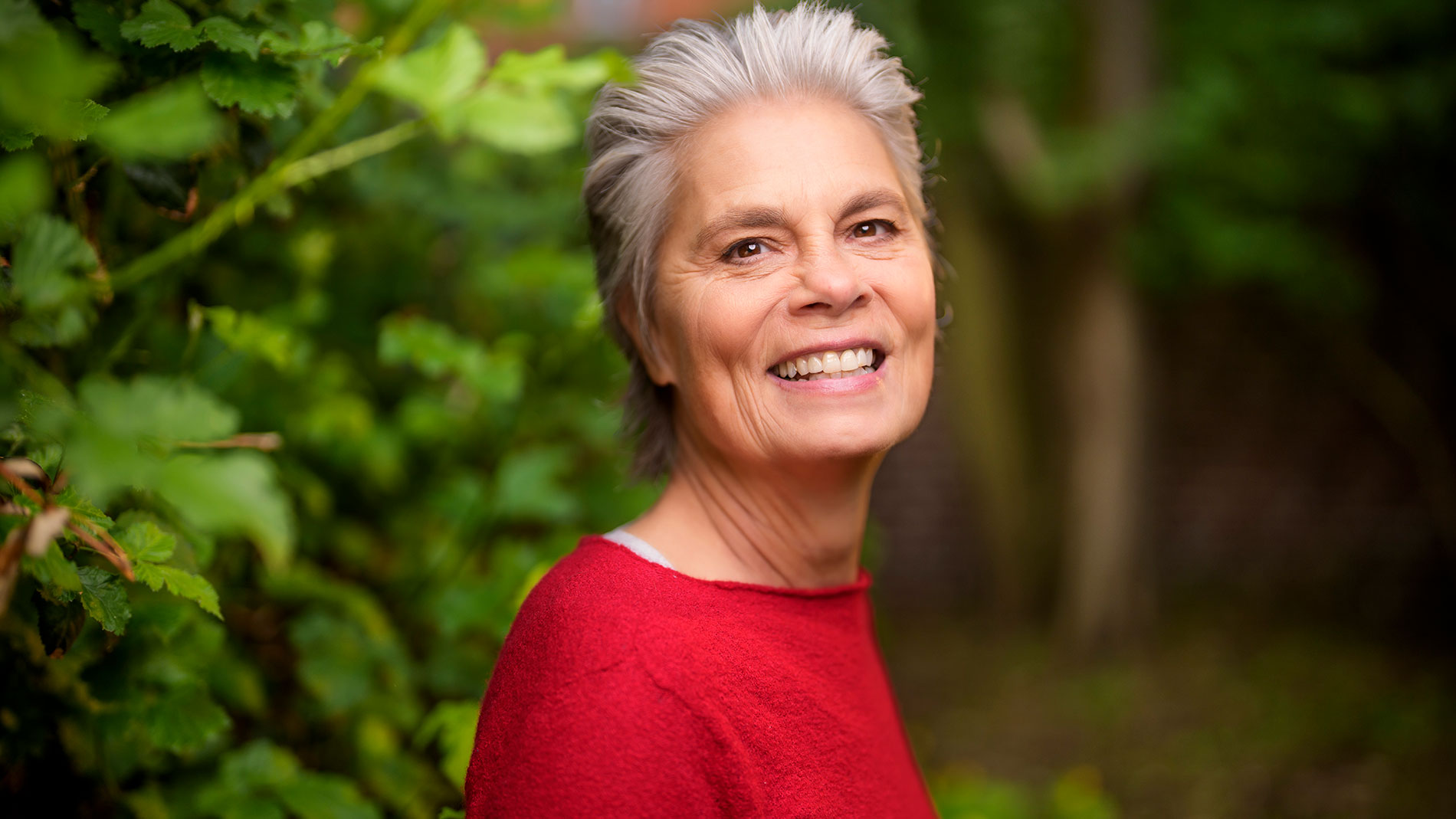
Today, Sarah Wiener primarily stands for nutrition education, food quality, food sovereignty, animal welfare and soil protection. Her foundation1 works nationwide with nurseries, schools and families and cites 40,000 professionals, 19,000 institutions and 1.85 million children reached. From 2019 to 2024, she sat in the European Parliament for the Greens/EFA, was a member of the Committee on Agriculture and Rural Development, a substitute member of, among others, the Committee on the Environment, and rapporteur on the sustainable use of plant protection product.
Sarah Wiener also continues to work as a successful cookbook author and newspaper columnist, and frequently appears on digital channels.
Sarah Wiener’s scepticism towards meat substitute products is aimed above all at high levels of processing, a lack of transparency and alienation from cooking for oneself.
Dietary patterns at a glance
Vegetarian
A vegetarian diet excludes meat and fish. The common ovo-lacto-vegetarian form also includes eggs and dairy products. These can contribute protein, calcium and vitamin B12. When selecting foods, particular attention should be paid to the content of iron, iodine, zinc, vitamin D and omega-3 fatty acids.
A varied combination of pulses, grains, nuts and oilseeds supports protein intake2.
Flexitarian
A flexitarian diet is based on vegetarian eating patterns, but occasionally includes meat or fish. There are no fixed quantity limits. From a nutritional perspective, the key factor is substitution: pulses, wholegrains and nuts should replace the reduced meat. This can increase the intake of fibre and unsaturated fatty acids. The health effect therefore depends more on individual food choices than on the label “flexitarian”3.
Omnivorous
An omnivorous diet does not fundamentally exclude any food group and includes both plant-based and animal-based foods. This allows for a broad nutrient intake. Animal-based foods provide, among other things, readily available protein, vitamin B12, iron and zinc, while plant-based foods provide fibre and phytochemicals. However, what is decisive for health is the choice of foods, the degree of processing and the balance of quantities4.
Vegan
A vegan diet consists exclusively of plant-based foods. It can be rich in fibre and low in saturated fatty acids, and therefore requires a carefully planned diet. Vitamin B12 must be reliably supplemented. Attention must also be paid to protein, iodine, calcium, iron, zinc, vitamin D, selenium and long-chain omega-3 fatty acids. Fortified foods and needs-based supplements can help close nutritional gaps5.
Sources
1 Sarah Wiener Stiftung (in German language only) https://sw-stiftung.de/
2 British Dietetic Association (BDA): Vegetarian, vegan and plant-based diet 07.07.2026.
3 Derbyshire EJ: Flexitarian Diets and Health: A Review of the Evidence-Based Literatur 01.07.2026.
4 Storz MA: What makes a plant-based diet? A review of current concept 01.07.2026.
5 British Dietetic Association (BDA): Vegetarian, vegan and plant-based diet 07.07.2026.
Header image: Sarah Wiener Stiftung