
Reading time: 3 minutes
Artificial intelligence, automation, digitalization and traceability are reshaping food processing across Latin America. As producers modernize operations, technology is improving efficiency, sustainability and global competitiveness.
The global food industry is undergoing one of its most significant technological shifts in decades. Rising consumer expectations, stricter regulations, labor shortages and sustainability targets are accelerating investment in advanced processing technologies.
In Latin America, where food production is a fundamental economic driver, this shift is gaining momentum.
Animal protein processors across the region are adopting automation, artificial intelligence, robotics and digital platforms to improve productivity, while responding to increasingly demanding domestic and international markets. Countries including Brazil, Argentina, Mexico, Chile and Uruguay are integrating Industry 4.0 solutions into food production, combining the region’s agricultural strengths with smarter manufacturing capabilities.1
For technology providers, equipment manufacturers and food processors alike, this transition is creating new opportunities for investment, innovation and long-term competitiveness.
Automation strengthens competitiveness across the region
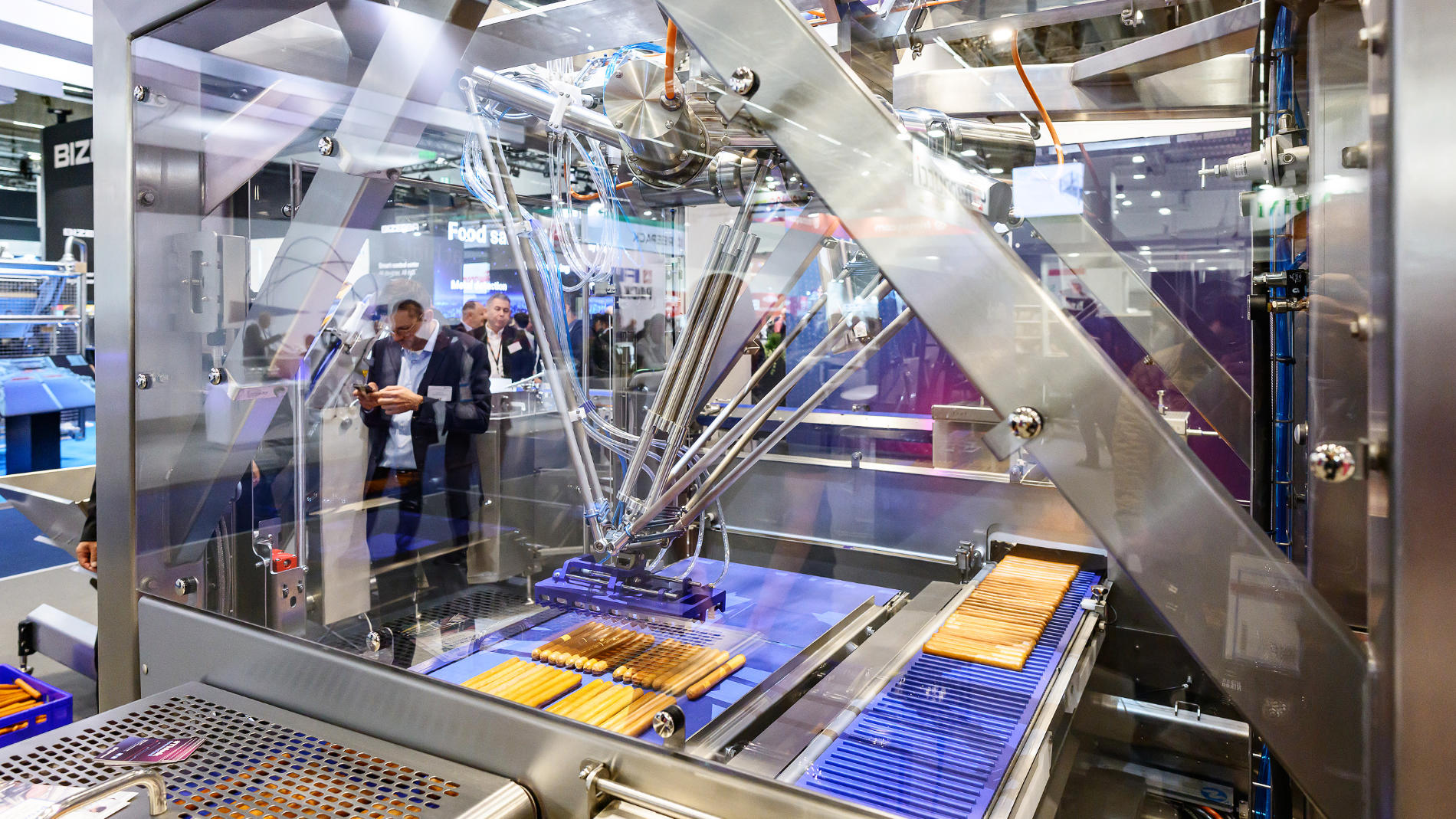
Automation has become a strategic priority for meat producers seeking to increase output while maintaining high quality product standards.
Across Latin America’s sector, processors are facing the challenge of producing greater volumes and meeting strict requirements from supermarkets, foodservice companies and export markets. Automated cutting, slicing, portioning and packaging technologies are leading to higher levels of precision, efficiency and consistency. Industrial slicing systems, for example, produce uniform portions with consistent weight and dimensions, reducing raw material losses and ensuring products meet commercial specifications.1
Automation is also helping companies address workforce challenges.
Meat processing has traditionally relied on manual labor, which involves repetitive and physically demanding tasks. By adopting automated solutions, processors are improving workplace safety and allowing employees to focus on activities that require greater technical expertise, such as supervision, maintenance and quality control.
As production becomes automated, the skills required across the workforce are also evolving.
The growing use of advanced technologies is increasing the demand for engineers, technicians, programmers and data specialists capable of operating automated systems. Collaborative robots exemplify this trend by working alongside employees to perform repetitive tasks and to support more technology-driven production environments.
Artificial vision brings precision to processing operations
As Latin American meat processors continue their digital transformation, the industry is moving beyond automating production processes toward making them increasingly intelligent. Artificial vision is playing a central role in this transition and helping regional processors improve accuracy and operational efficiency.
Artificial vision systems combine high-resolution cameras, machine learning algorithms and advanced image analysis to evaluate products in real time. Unlike conventional inspection methods, these systems can identify differences in size, shape, texture and quality that may be difficult to detect through manual processes.
In poultry processing, for example, artificial vision technology captures multiple images of individual birds as they move through production lines. The system analyzes anatomical characteristics and creates three-dimensional models that identify joints, bone structures and muscle groups. This enables processors to determine optimal cutting paths that maximize meat recovery and decrease unnecessary waste. For major poultry producers in countries such as Brazil and Mexico, where processing plants handle millions of birds each year, these improvements can have a significant impact on profitability and sustainability.2
In addition to optimizing cutting performance, artificial vision systems improve as they process more data.
AI models trained on thousands of correctly processed products continuously refine their performance and enable systems to adapt to different product characteristics and processing conditions.
This continuous learning also strengthens quality control. Modern AI-powered vision platforms can detect quality deviations almost instantly, including bone fragments, foreign materials, bruising and incorrect cuts. Identifying problems earlier in the production process allows processors to reduce the likelihood of defects reaching customers.2
Artificial intelligence strengthens food safety and decision-making
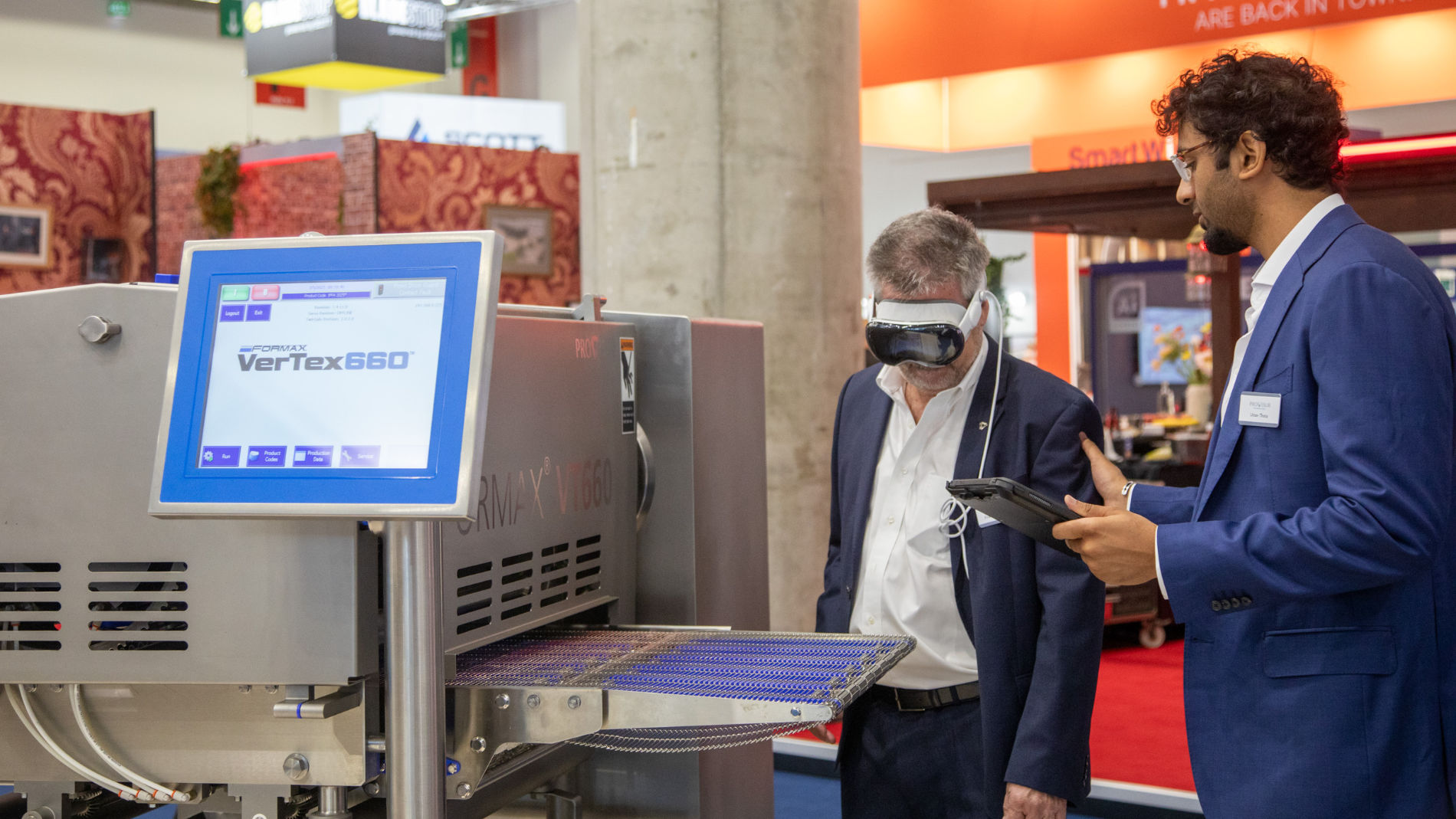
While artificial vision is transforming product inspection and cutting optimization, artificial intelligence (AI) is also driving advances in other areas of meat processing.
Drawing on large volumes of information generated by sensors, production equipment, laboratories and supply chain platforms, AI enables companies to make faster and more accurate decisions across their operations.
One of the most promising applications is predictive food safety. AI systems can evaluate data from production environments and identify conditions that could increase microbiological risks. Predictive models monitor variables such as temperature, humidity and pH levels to detect the potential presence of pathogens such as Salmonella and Campylobacter, and it allows earlier intervention before problems escalate.3
For companies exporting meat products, these capabilities are important as international buyers require stronger guarantees regarding safety, compliance and production practices.
Digitalization connects Latin America’s food value chains
As a region that supplies meat products to international markets, Latin America is embracing digitalization as a key driver of competitiveness. Processors across the region are connecting their equipment, quality management systems and supply chain data through integrated platforms. This transition allows companies to move beyond isolated data collection and toward real-time decision-making. Connected solutions provide processors with greater visibility into operations, helping identify bottlenecks and support more informed decisions.4
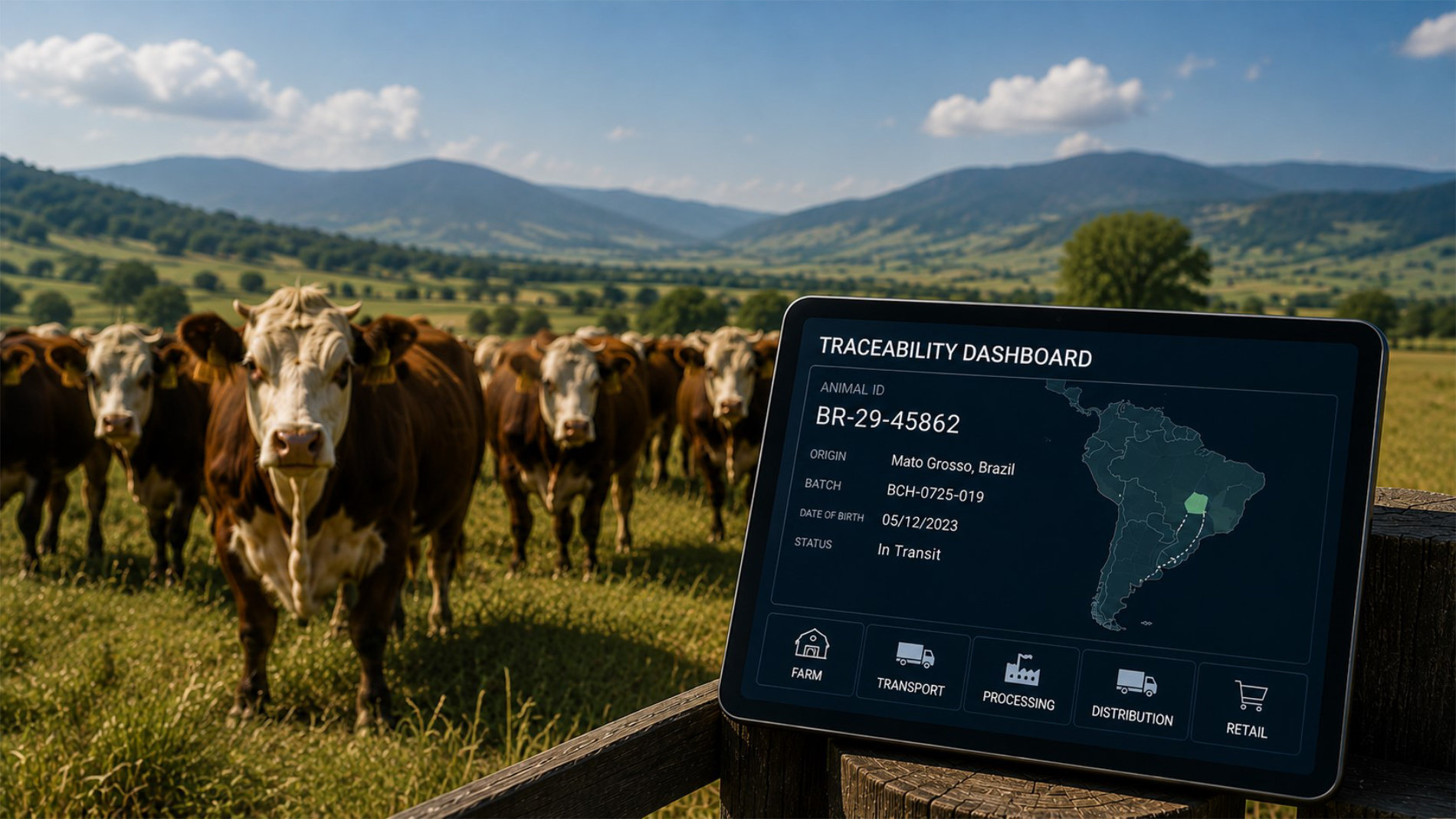
Digital transformation is also becoming essential as customers demand greater transparency around product origin. Integrated systems support these requirements, strengthen traceability and make it easier to verify compliance throughout the supply chain.
In paper-based environments, tracing the source of a contamination event can be slow and labor-intensive. Digital records enable manufacturers to identify affected products more quickly, by accelerating response times, reducing the scope of recalls and helping maintain consumer confidence.4
Looking ahead, the next phase of digitalization will focus on connected manufacturing ecosystems in which automation, artificial intelligence, production data and traceability systems work together. These integrated environments will provide processors with the flexibility needed to compete in demanding global food markets.
Traceability becomes a strategic advantage for regional exporters
Few areas of meat processing demonstrate the importance of digital transformation more clearly than traceability.
In Latin America, livestock products often travel through networks involving farms, transport companies, processing facilities, distributors and export terminals. Maintaining a reliable connection between the original source and the final product has long been an operational challenge.
Today, digital records, satellite monitoring, artificial intelligence and data analytics are transforming this process through the creation of more transparent supply chains.
Argentina provides an important example of this evolution.
Satellite-based traceability solutions help companies verify production locations, connect geographic information with agricultural records and create stronger evidence of product origin. By combining satellite data with producer and transport identification, processing records and export documentation, companies can create a complete digital history of livestock products.5
Traceability is no longer only a regulatory obligation. It is becoming a competitive advantage for companies seeking access to premium markets.
Argentina’s livestock sector further illustrates this transformation. The modernization of the Sistema Integral de Faena (SIF) represents a significant step toward greater digital control and transparency in cattle processing. The system replaces fragmented paper-based procedures with centralized digital management, and it allows information related to livestock entry, slaughter and processing to be monitored through an integrated platform.6
The country’s experience reflects a broader movement throughout the region. Brazil, Uruguay, Paraguay and other livestock-producing countries are also investing in digital solutions that strengthen food safety and increase confidence among global customers.6
Sustainability and technology redefine Latin America’s food future

Across Latin America, meeting growing food demand while reducing environmental impact requires new approaches to resource management.
Digital innovation is becoming a key enabler of these sustainability goals.
Brazil provides one of the region's strongest examples of this transformation. Through decades of agricultural research, the country has expanded its agricultural capacity while adapting production systems to challenging environments. Advances in soil improvement, crop development and farming practices have helped Brazil become one of the world’s leading agricultural exporters while improving production efficiency.7
These gains, however, extend beyond the farm.
For the food processing sector, sustainability begins with better information. Digital technologies allow companies to measure energy consumption, monitor resource use, reduce waste and identify opportunities for operational improvements.
Similar developments are taking place throughout other Latin American countries.
In Argentina, digital tools are helping producers strengthen transparency, especially for markets where sustainability requirements continue to increase. Mexico is expanding climate-smart agriculture through improved irrigation and agroforestry systems. Chile has demonstrated the potential of connected agricultural technologies through intelligent irrigation systems that use sensors and data analysis to reduce water consumption.7
For Latin American food companies, reducing environmental impact is no longer separate from business performance, it is becoming a core element of long-term growth strategies.
Latin America’s opportunity to lead the next generation of food production
Latin America's food industry is entering a new era of technological transformation.
Automation, artificial intelligence, robotics, digital platforms and advanced traceability systems are creating a more connected production environment. For processors throughout the region, these technologies offer solutions to improve food safety, increase operational efficiency and meet sustainability expectations.
However, successful digital transformation requires more than technology investment alone. Companies must combine innovation with workforce development, operational planning and collaboration throughout the value chain.
The opportunity for Latin America is significant.
By combining its agricultural advantages with Industry 4.0 capabilities, the region can strengthen its position as one of the world’s most important suppliers of sustainable and high-quality food products. For technology providers and food processors alike, the region represents a growing market for intelligent production solutions. Companies that invest in connected, data-driven operations today will be best positioned to compete in tomorrow’s global food economy.8
The future of food processing will be shaped by companies that successfully connect people, technology and sustainability. Those that embrace this approach will create an industry that is more efficient, resilient and globally competitive.
Sources
1 Automatización del procesamiento de carne: tendencias que impulsan la competitividad de la industria. Info Blanco Sobre Negro. 20.07.2026.
2 Automated meat processing. EVS. Accessed 24.07.2026.
3 Inteligencia artificial en la industria cárnica: aplicaciones y oportunidades. AINIA. 20.07.2026.
4 ¿Por qué la digitalización es esencial para los procesadores de carne? JBT Marel. 27.07.2026.
5 Cómo la tecnología satelital permitió trazar 250.000 toneladas de soja y carne en Argentina. Innovación Digital 360. 30.07.2026.
6 Faena bovina: crean un nuevo sistema integral con control digital y trazabilidad obligatoria. AgroLatam. 30.07.2026.
7 Sustainable Agriculture: Latin America’s Green Revolution. Horasis. 03.08.2026.
8 FoodTech in Latin America: The Innovations Transforming the Food Industry. Argentina Alimenta. 04.08.2026.
Header image: AI generated
All other images: Messe Frankfurt / Pietro Sutra