Reading time: 5 minutes
What makes one piece of beef better than another? For an industry built around differences in genetics, feeding systems, production methods and culinary traditions, the answer is rarely straightforward.
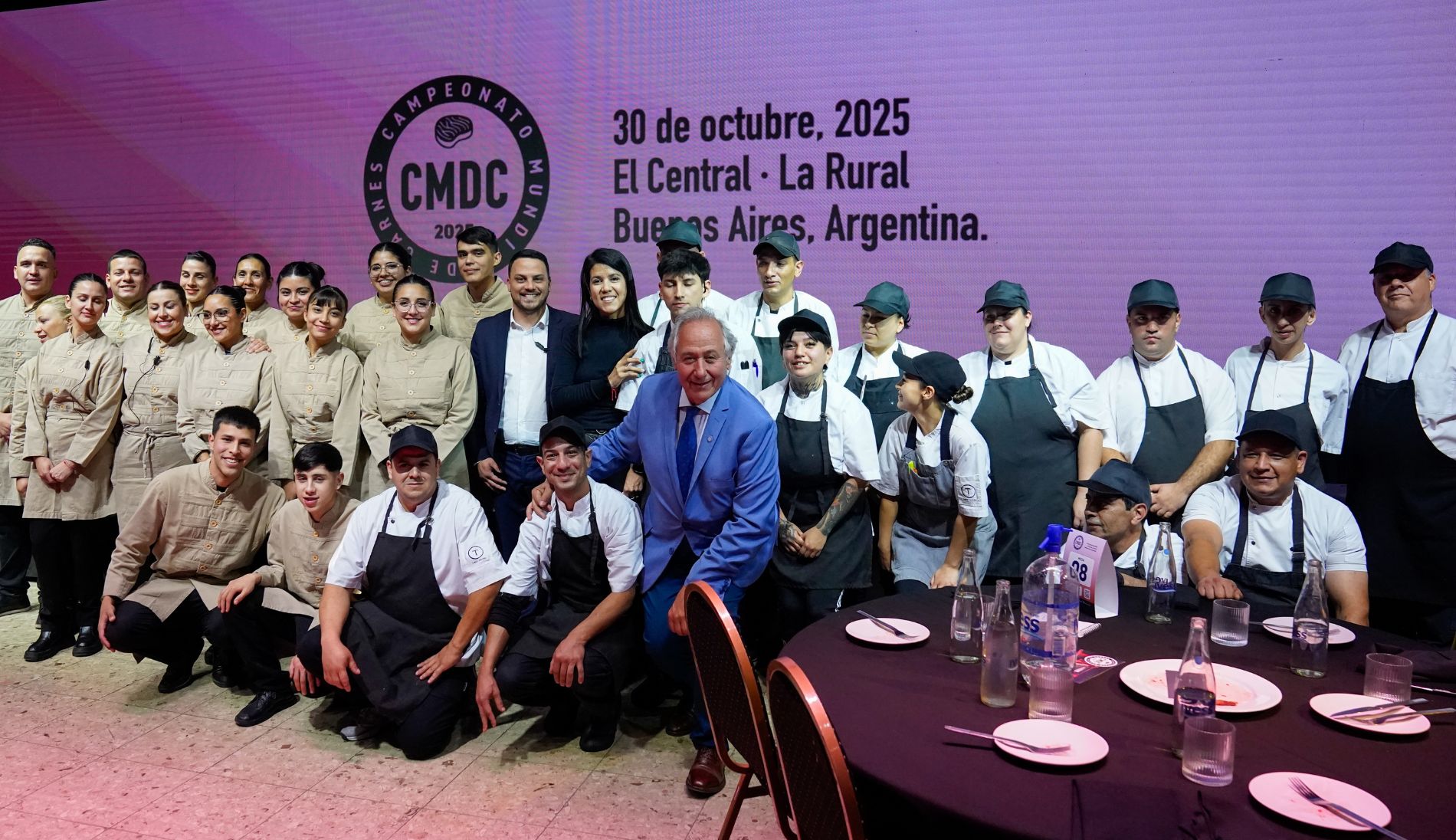
The World Meat Championship (CMDC®) is attempting to address that question by putting the product itself at the center of the evaluation. Its second edition, held in Buenos Aires as part of Tecno Fidta, brings together international experts, chefs, restaurants and consumers to assess beef through a standardized and anonymous sensory evaluation process.
The ambition extends beyond selecting medal winners. The championship aims to create a common framework for assessing beef quality while giving greater visibility to the chain of people and processes behind the final product.
Organized by Dr. Luis Barcos together with AmeriCarne and Messe Frankfurt Argentina, with Latin Meat by Red Alimentaria as official media partner, the championship builds on the experience of its inaugural edition.
For Dr. Barcos, who created the championship, the initiative is about making the value and quality of beef more visible across the entire production chain.
“Beef is a high-value product, and we are recognizing the work that takes place from the farm all the way to the consumer,” he said.
A framework for comparing beef
The championship divides entries into four categories: grain-fed ribeye, grain-fed striploin, grass-fed ribeye and grass-fed striploin. Gold, Silver and Bronze medals are awarded within each category.
The distinction allows products with different production characteristics to be assessed without placing them in direct competition with one another.
Once the cuts are classified according to production system and category, the focus shifts to their sensory characteristics.
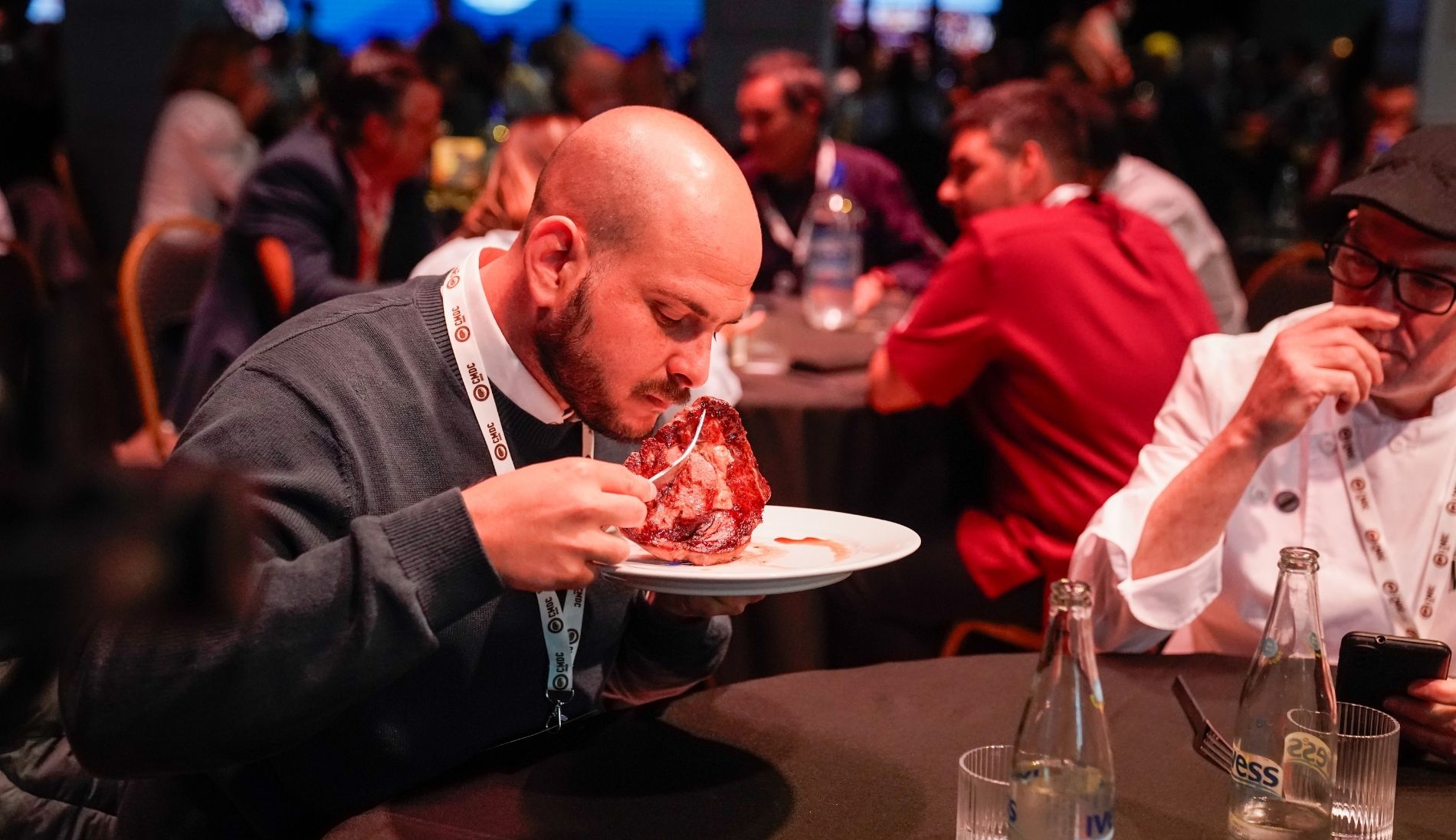
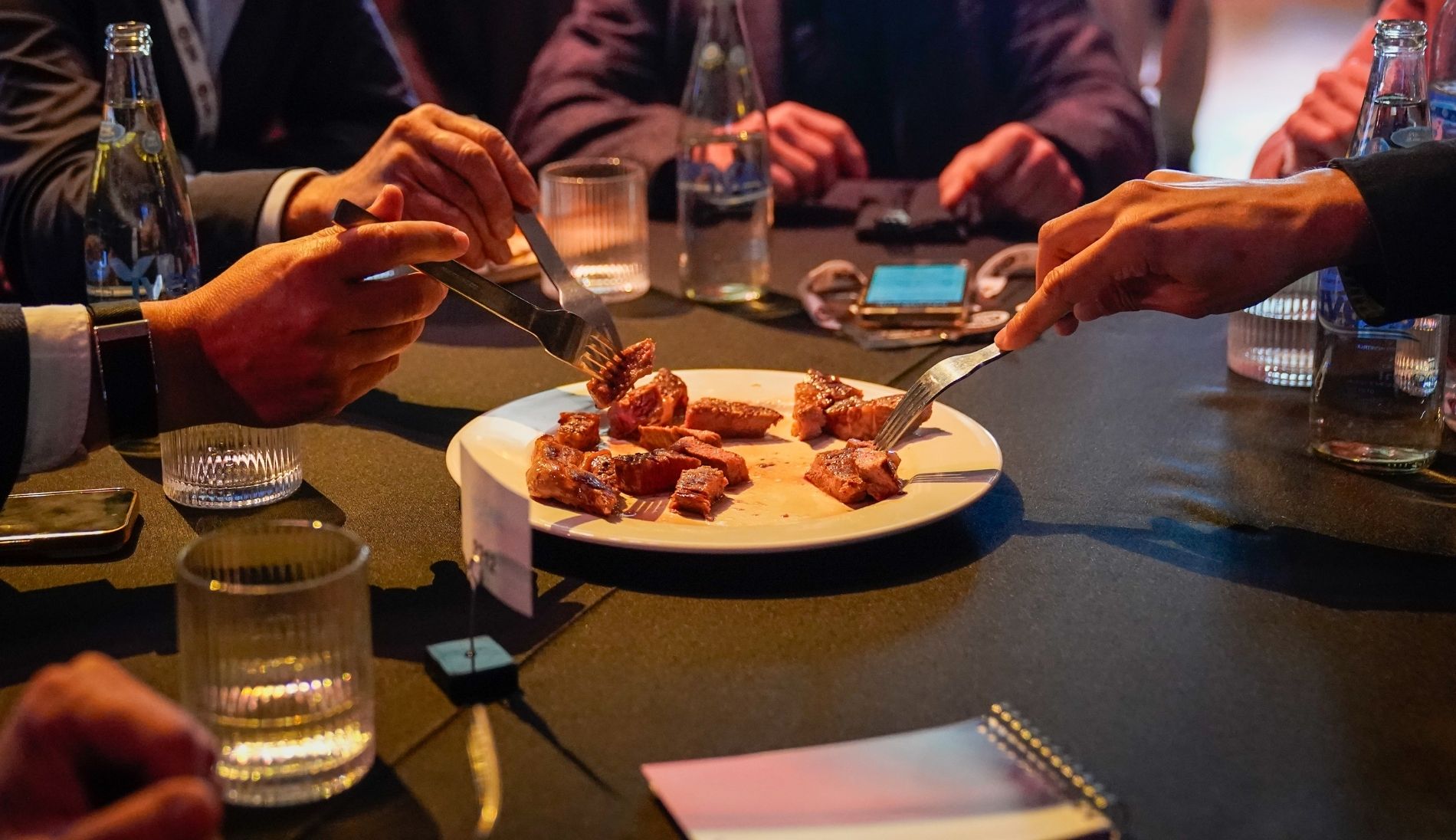
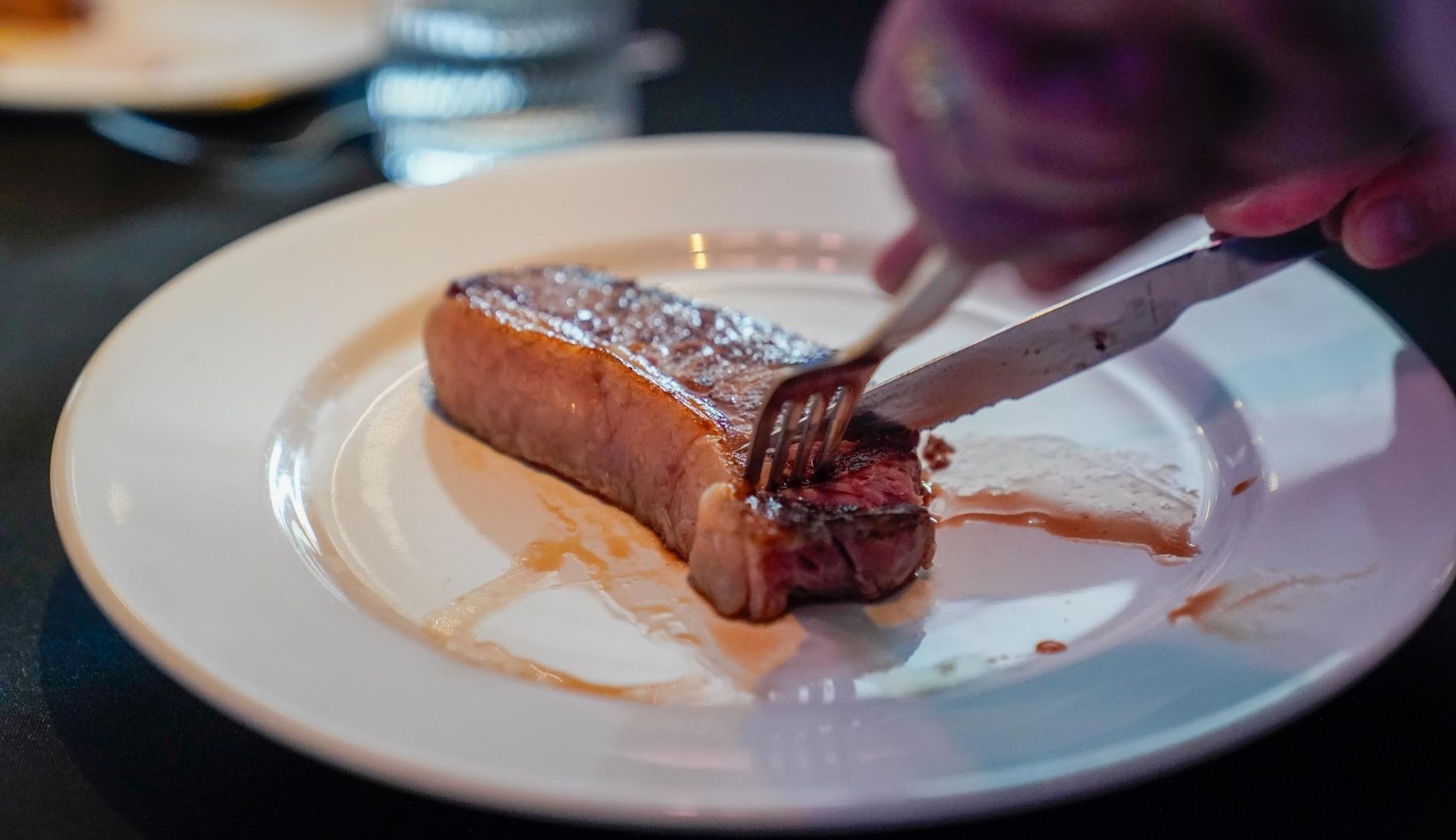
The judges assess a range of sensory attributes, including tenderness, juiciness, flavor and aroma.
The inaugural edition brought together participants from Argentina, Brazil, Spain, Ireland, Paraguay, Peru, the United Kingdom and Uruguay. More than one hundred Meat Sommeliers and hundreds of specialists took part in the judging process. The second edition expands that international dimension further.
Removing the label from the equation
The methodology relies heavily on anonymity.
Judges do not know who produced a sample, where it comes from or what commercial characteristics it may have. Each cut is assigned a code, and that identity remains confidential throughout the evaluation.
Before the sensory assessment begins, samples undergo a series of controls covering their identification, appearance, expiration date, packaging and physical integrity. They are then portioned and coded before being transferred to the kitchen.
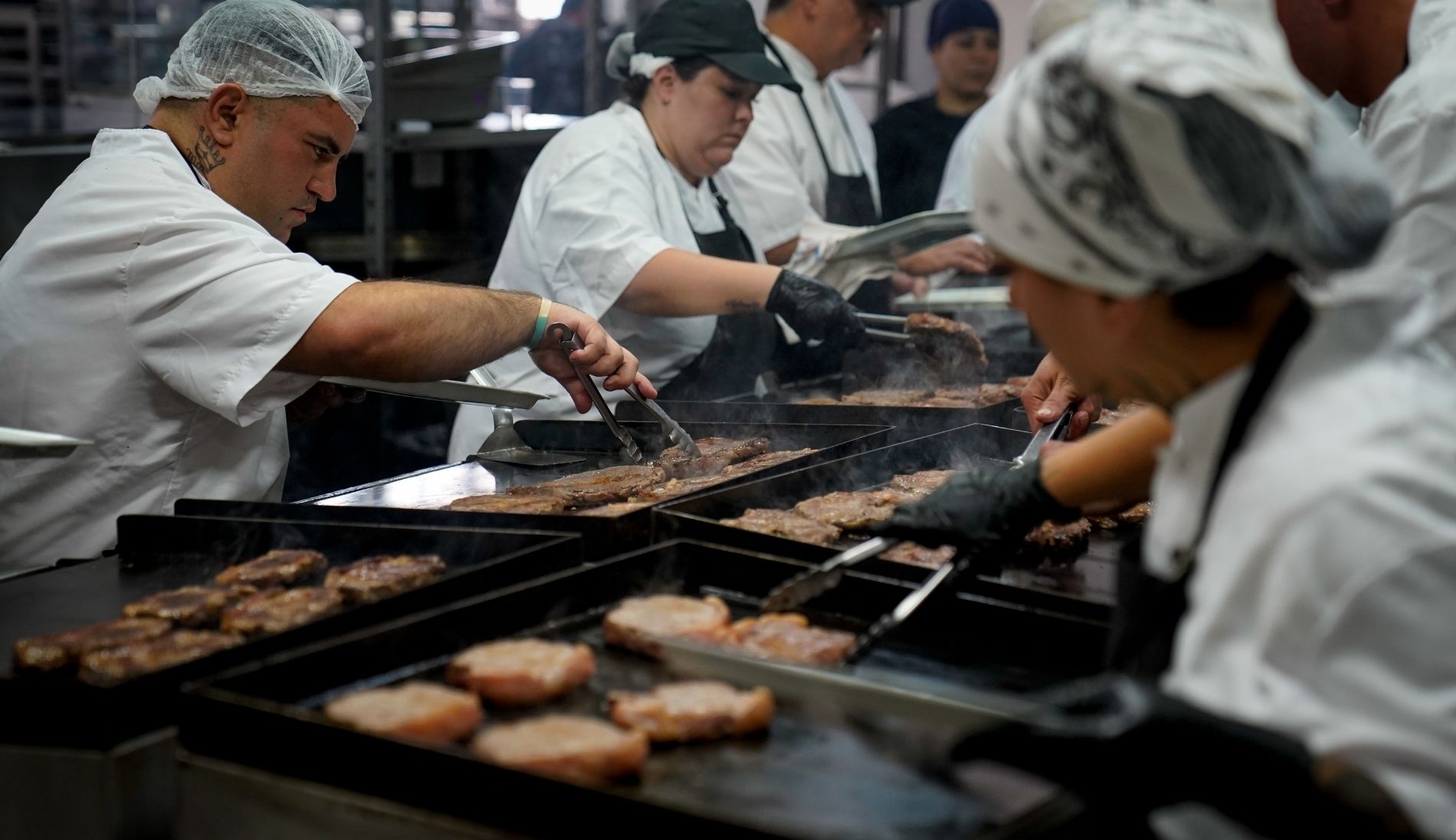
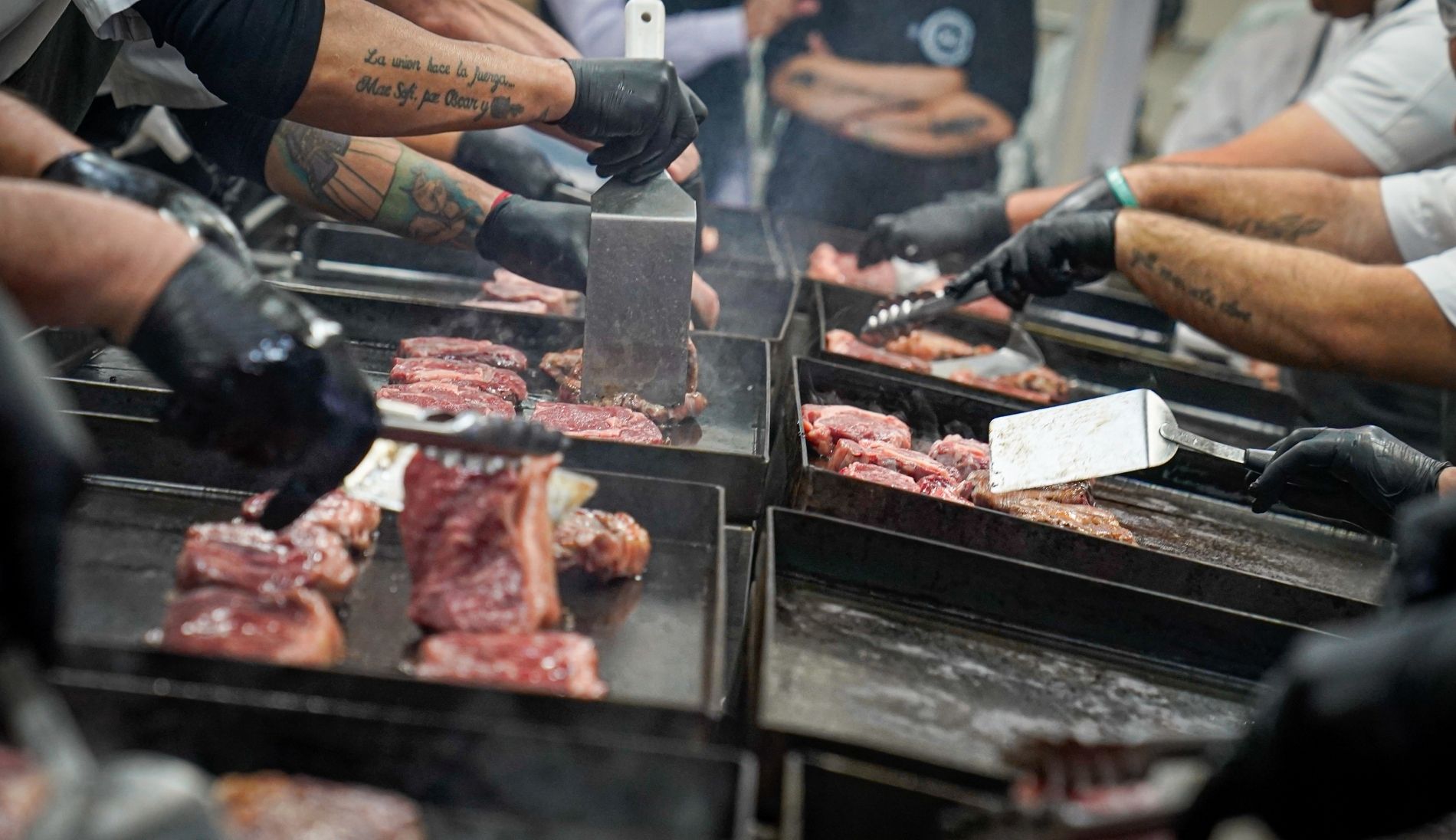
Preparation is carried out according to established parameters and under the coordination of a head chef, in order to minimize variations in cooking that could affect the final assessment.
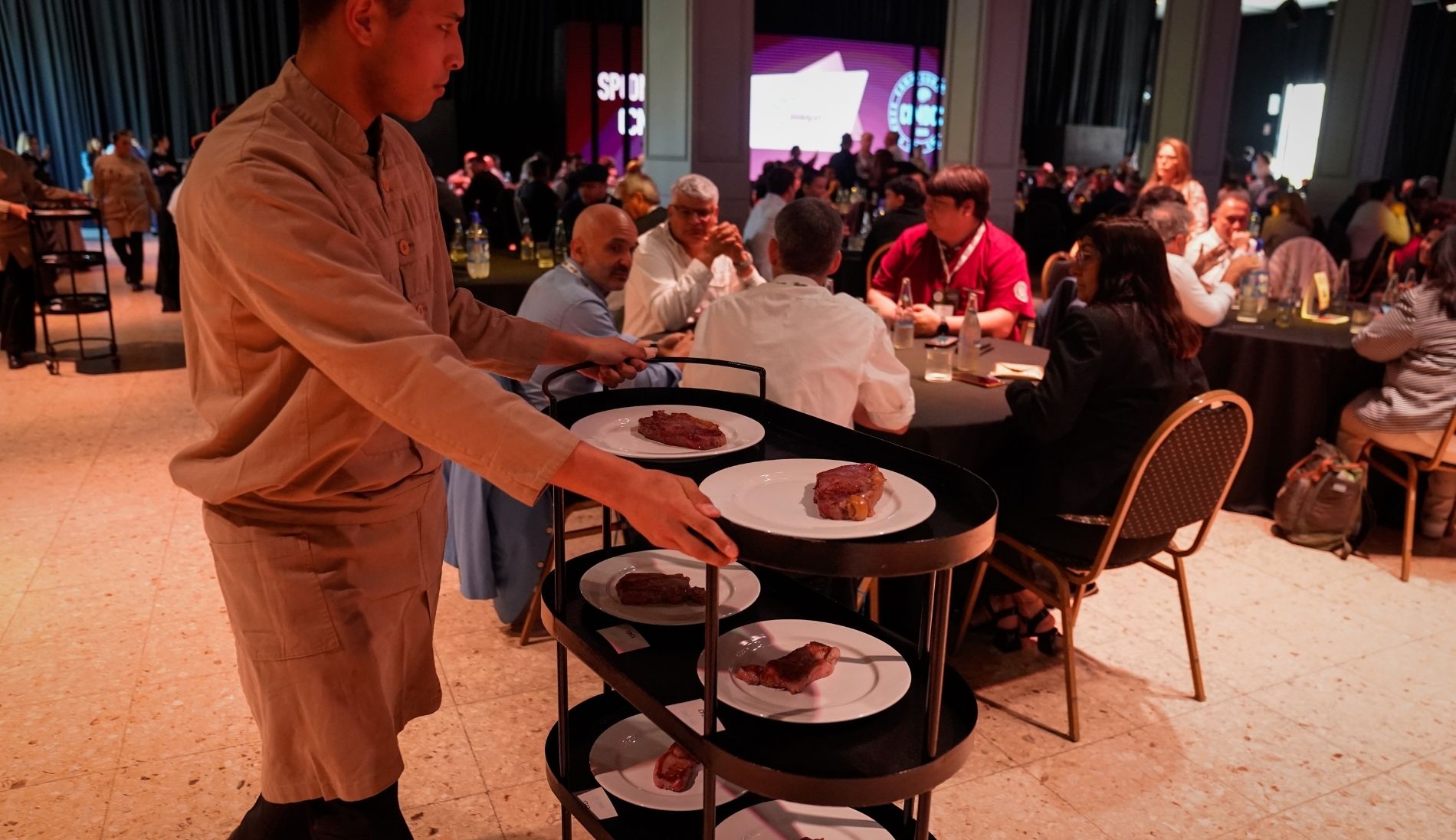
Only then do the portions reach the judging tables.
“Nobody knows which sample corresponds to which code or what category of animal it comes from,” Barcos explained.
The judges therefore encounter the product without the context that might otherwise influence their expectations. There is no producer name, country of origin or commercial reputation attached to the sample in front of them.
The results are entered into an application developed for the championship, providing a digital record of the evaluations.
“The application allows us to enter the data as the evaluation progresses,” Barcos said.
The principle is simple, but significant. The assessment is based on the characteristics of the beef as experienced by the judge, rather than on assumptions about where it came from.
“Everyone is judging beef and adding data under a quality assessment framework,” Barcos said, describing the process as “a unique and transparent system for all participants.”
From sensory assessment to the dining table
The championship also brings the restaurant sector directly into the evaluation process through Quality Week, which involves more than 20 restaurants across several Argentine cities.
Chefs, leading meat specialists and industry professionals have the opportunity to evaluate samples using the championship’s protocol. The participating restaurants span Buenos Aires as well as Mar del Plata, Mendoza, Salta, Ushuaia and El Calafate, giving the initiative a national dimension.
For Barcos, this connection with the restaurant sector represents an important development for the championship.
“We need to recognize restaurants and their role in providing quality meat to consumers,” he said.
The chefs’ participation adds another perspective to the meat quality assessment. They work with beef under real gastronomic conditions, where tenderness, flavor and juiciness are not only technical attributes but also directly influence the consumer experience.
The result is a connection between two aspects of quality that are often considered separately: quality measured through a standardized sensory methodology and quality experienced at the dining table.



An international view of beef quality
The central judging session is held at El Central, at the La Rural exhibition grounds in Buenos Aires.
The judging panel includes Meat Sommeliers, sensory analysis specialists, industry professionals and chefs, as well as consumers. Representatives from Argentina, Brazil, Uruguay, Spain, Ireland, Japan and other countries contribute to the evaluation.
“Internationalization will be a strong focus,” Barcos said.
That international composition is important for a product traded across borders and evaluated by consumers with very different culinary traditions.
The championship seeks to combine professional sensory assessment with consumer perception, creating a broader picture of how beef quality is understood across countries.
From evaluation to a common language for quality
In a market increasingly driven by differentiation, quality can become an important source of value for producers and processors. However, differentiation also requires credible ways of demonstrating what makes one product different from another.
That is where sensory evaluation can play a role.
By controlling the information available to judges, standardizing preparation and recording results systematically, the championship moves the conversation toward characteristics that can be evaluated rather than perceptions based on reputation or origin.
This approach also raises a broader question for the beef industry about whether a more consistent way of measuring and communicating sensory quality could help strengthen the value of the product across different markets.
The World Meat Championship is therefore about more than medals.
Its development will be measured not only by the number of judges, participating countries or restaurants, but also by its ability to establish a common language for discussing beef quality across different production systems and markets.
When the results are announced, the medals provide the most visible recognition.
However, the longer-term significance of the championship may lie in the methodology behind them, with a structured process designed to make sensory quality more comparable, measurable and transparent.
For an industry seeking to demonstrate and differentiate quality, creating a shared framework for evaluating the product could prove to be one of the championship’s most valuable outcomes.
Congratulations to the second CMDC’s edition winners:
All pictures: WORLD MEAT CHAMPIONSHIP – CMDC®