
Reading time: 8 minutes
Mr Jakob, you have been working with high-quality sausage production for decades. Does sausage have a future – or does it need to reinvent itself?
There is no need to worry about sausage. But, like everything else, it has to adapt to the demands of the respective time and generation. It has done so over the past decades – at least in the case of some butchers, though unfortunately not all. Where this adaptation has failed to take place, the number of butcher’s shops has also continued to decline.
When I started teaching at vocational school in 1979, I had 68 apprentice butchers in my first year. When I stopped in 2017, there were only four. In towns with 20,000 inhabitants, there are now sometimes no butchers at all; there used to be five or six. I also noticed that when quality declined and more and more products were sourced from large-scale butchers or wholesalers, this was usually a bad sign.
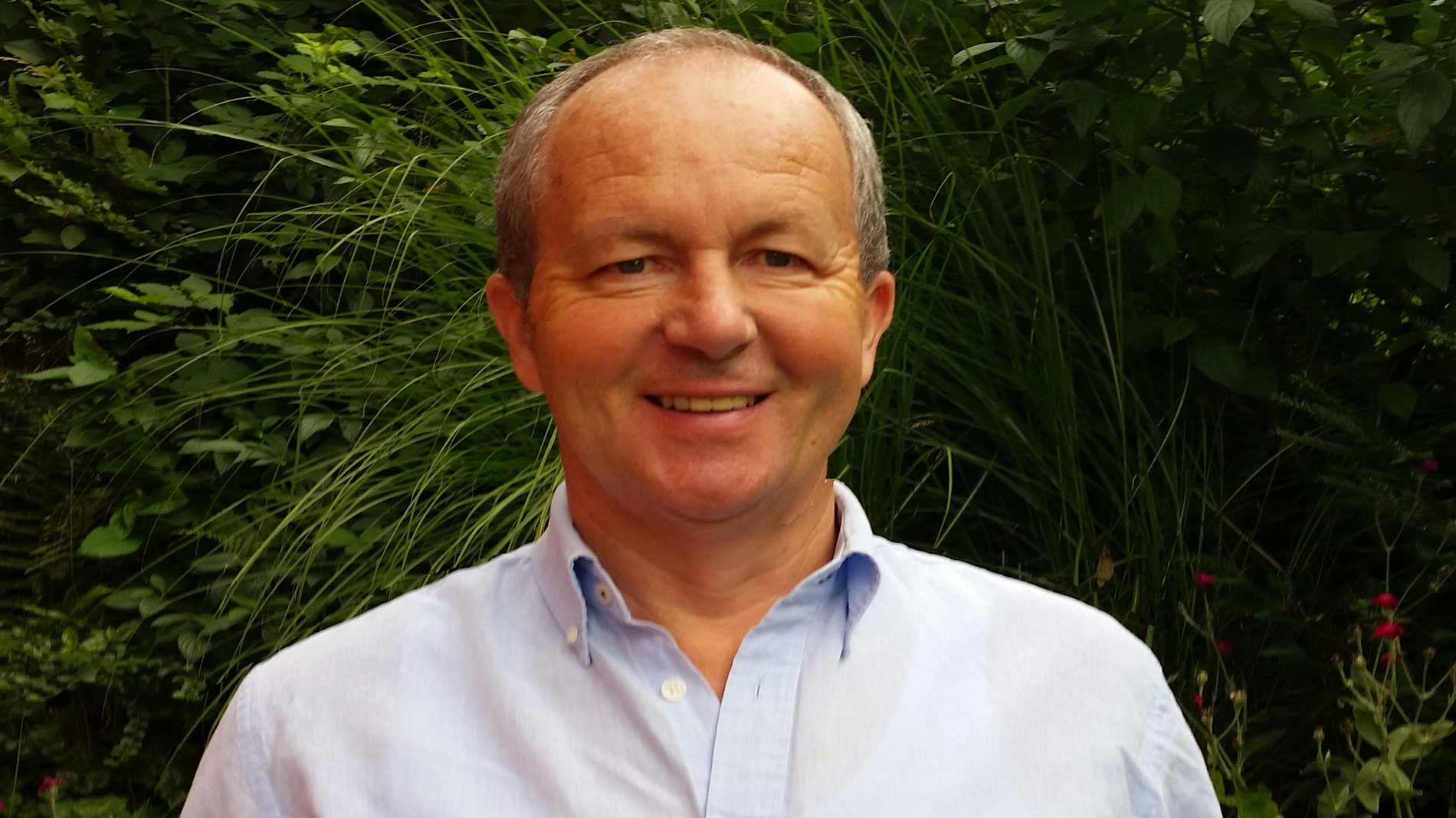
Short biography: Master butcher Hermann Jakob
Hermann Jakob is a master butcher, vocational college teacher and one of Germany’s leading experts in meat and sausage production. For many years, he headed the Master Butchers’ School in Kulmbach, where he trained the next generation of professionals.
As a consultant and seminar leader, he teaches traditional and modern meat processing methods both in Germany and abroad. His particular areas of focus are organic products, ‘clean label’ and sausage production without additives subject to mandatory labelling. He also specialises in meat maturation, whole-carcass utilisation and sustainable and cost-effective direct marketing. He is currently also working on hybrid products made from meat and vegetables or plant-based proteins.
His specialist books include ‘Organic Sausage Recipes’, ‘Making Your Own Sausage Specialities’ and ‘Sausage Production without Additives’, ‘Successful Recipes for Boiled, Raw and Cooked Sausages’ as well as the ‘Salad Atlas’.
Further information on the specialist knowledge and practice of the butchery trade can be found in Hermann Jakob’s book:
„Rind, Huhn, Schwein und Co. – Fachkunde Fleischer/-innen, Lernfelder 6–13“ (in German language)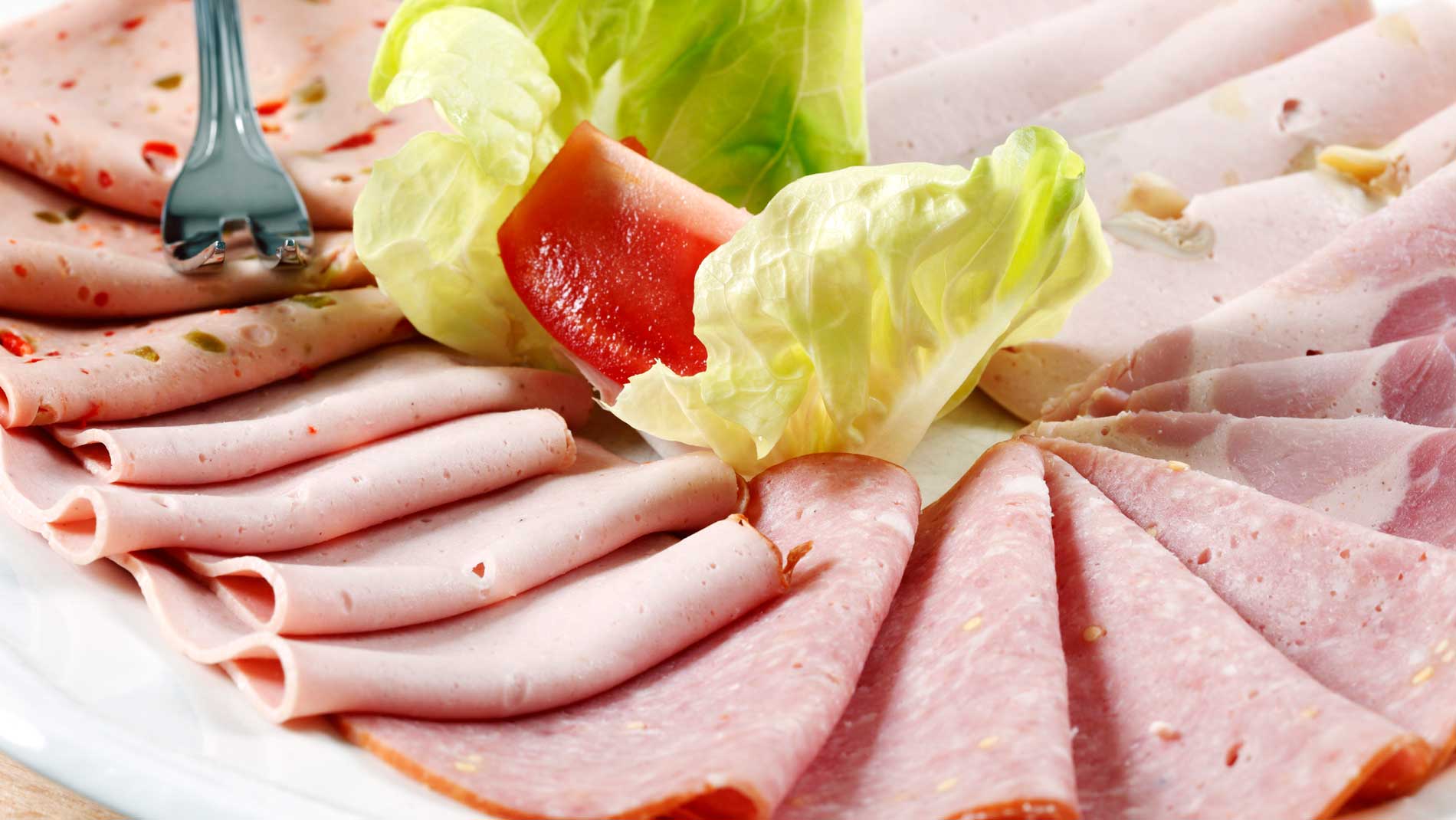
How have expectations of meat and sausage changed historically?
After the war, people were thin and wanted to eat fatty foods. In the 1960s, this reversed: people became heavier and food was expected to be leaner. Products such as Bierschinken, with a high protein content and lower fat content, became more popular. Poultry gained strongly in importance, first with roast chicken and later with turkey. This also affected sausage production: leaner products and turkey sausage became successful.
History shows that those who fail to adapt lose out. This also applies to the butchery trade. Today, supermarkets have taken over the lion’s share of the meat and sausage market. With standardised products, they now achieve a perfectly respectable standard of quality. This makes it all the more important for an artisan butcher to demonstrate what sets them apart.
“A good, independently produced sausage combines whole-animal utilisation with craftsmanship and a distinctive regional character.”
What importance did sausage traditionally have for a butcher’s sales?
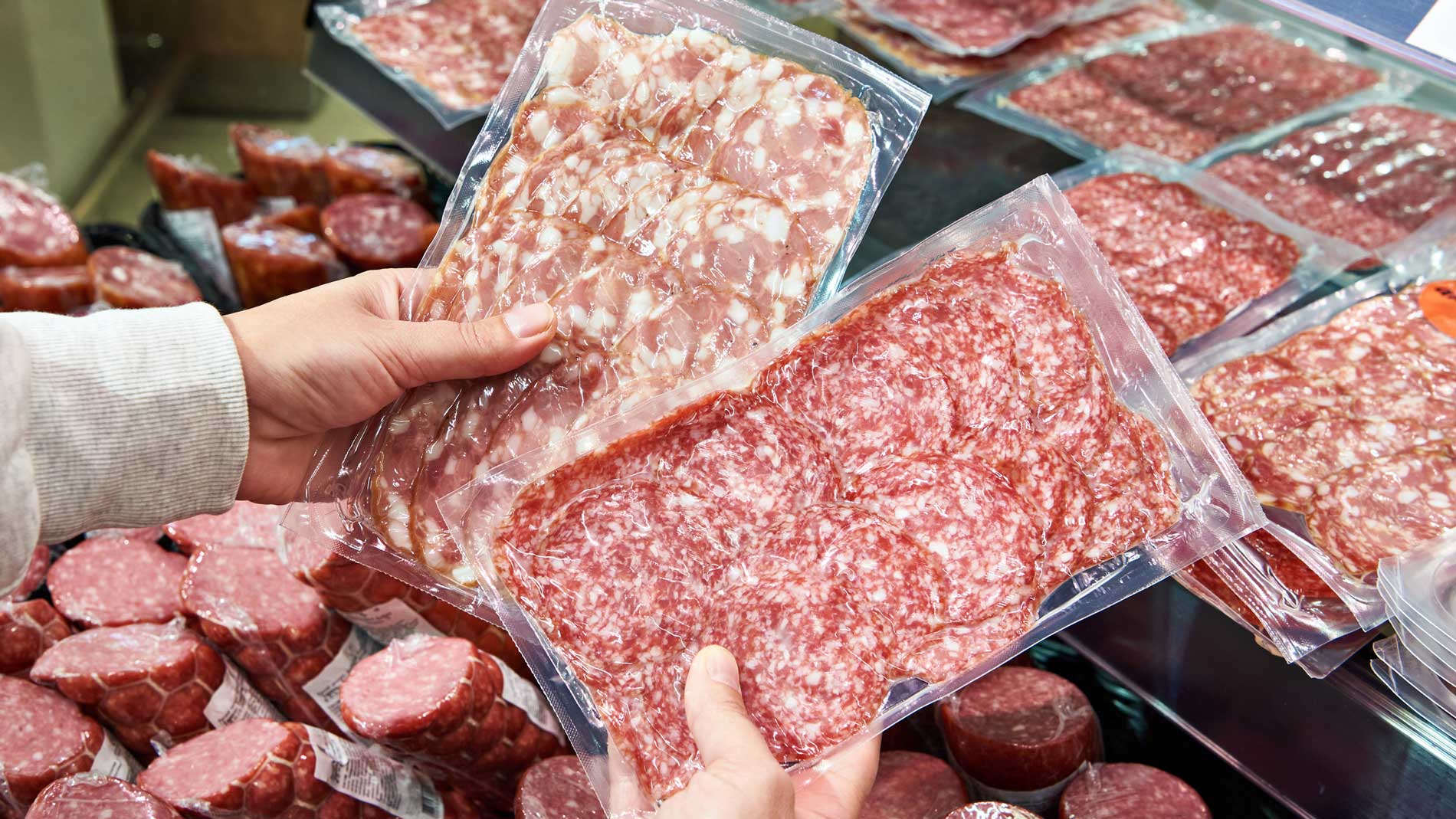
In the past, meat and sausage were roughly equal at the butcher’s. When the first supermarkets opened, they initially generated their highest sales with inexpensive special offers on meat; when it came to sausage, they were often less well positioned at first. This has changed fundamentally. Today, large retailers offer both meat and sausage in consistent, standardised quality. The craft can hardly win this competition on price alone.
Its strength lies in its own production, freshness, origin and a recognisable product character. Customers must be able to taste and understand why they are shopping there in particular. A good sausage made in-house can therefore continue to be a key product: it combines the utilisation of the whole animal with artisanal expertise and a regional signature.
Where exactly does this difference lie?
My heart is with the butchers. In northern Bavaria, there are still businesses that slaughter themselves and have the entire production chain under control. They go to the farmer, see how the animals are kept, buy them, slaughter them and make sausage from them. Fifty years ago, this was the case almost everywhere. Today, it is a small minority.
Those who do not slaughter themselves give up the opportunity to process very fresh raw materials. With warm meat straight after slaughter, I can achieve a different quality: the typical home-slaughter flavour in liver or blood sausage and the special properties of warm-meat processing in cooked sausage. At the same time, I have the entire chain in my hands – and I am responsible for it.
More on artisanal meat processing:
Sausage is regarded as the pinnacle of the butcher’s craft. Why?
Sausage originally developed as a way of turning those parts of the animal that could not be sold as cuts of meat into a high-quality food. This requires skill. As a general rule in sausage production: the fresher the meat, the better.
Sausage is therefore not simply a by-product. It shows whether a butcher masters the raw material, maturation, recipe and process. It also stands for complete utilisation. Liver and blood in particular are valuable foods. Blood contains about as much protein as meat and a great deal of iron. Old recipes combined blood or meat with groats, bread rolls or buckwheat. What once arose out of necessity can today once again be an appropriate form of sustainable nutrition: using the whole animal and making good food from it.
What role do spices play in the character of a sausage?
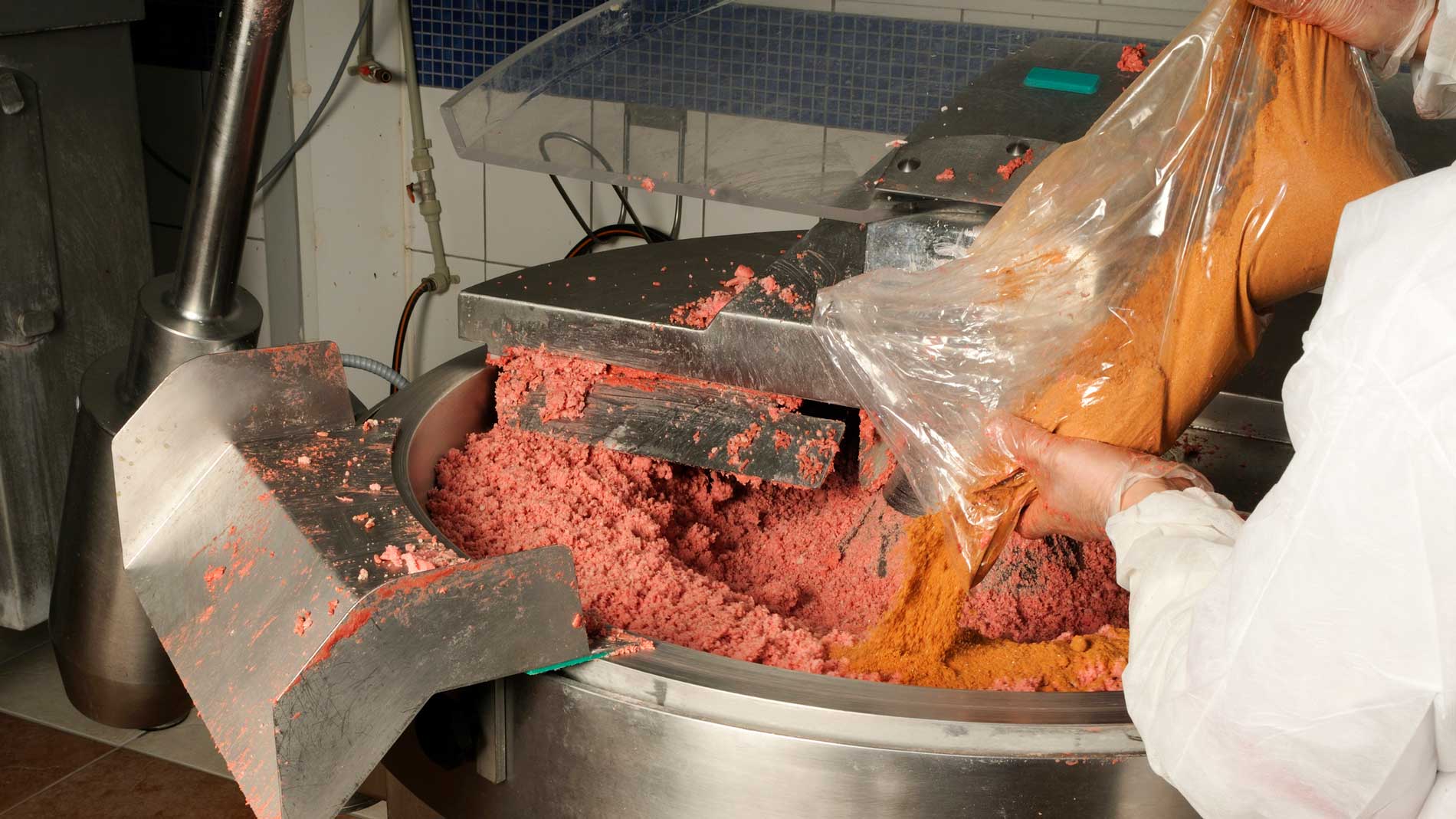
My great-grandfather, my grandfather and my father were master butchers. My great-grandfather took over a butcher’s shop in 1881. His most important spices were ground pepper and caraway, marjoram, garlic and onions. He put together the seasoning for each product himself. Later, other spices were added, including nutmeg. Nutmeg was expensive, so people considered it carefully: half a gram of it, together with pepper and, if needed, a little horseradish for heat. This was how each business developed its own flavour.
As early as the 1950s, large spice companies invited butchers to training courses and offered ready-made blends: five grams per kilogram, and the result always works. This was convenient, but it took some of the control away from the butcher.
Is that why you advocate using individual spices?
Absolutely. In my seminars and books, I work with individual spices. Only then do I know exactly what effect a certain amount of pepper, nutmeg or coriander has, and I can develop my own signature. A blend can be a basis, but it should not replace thought.
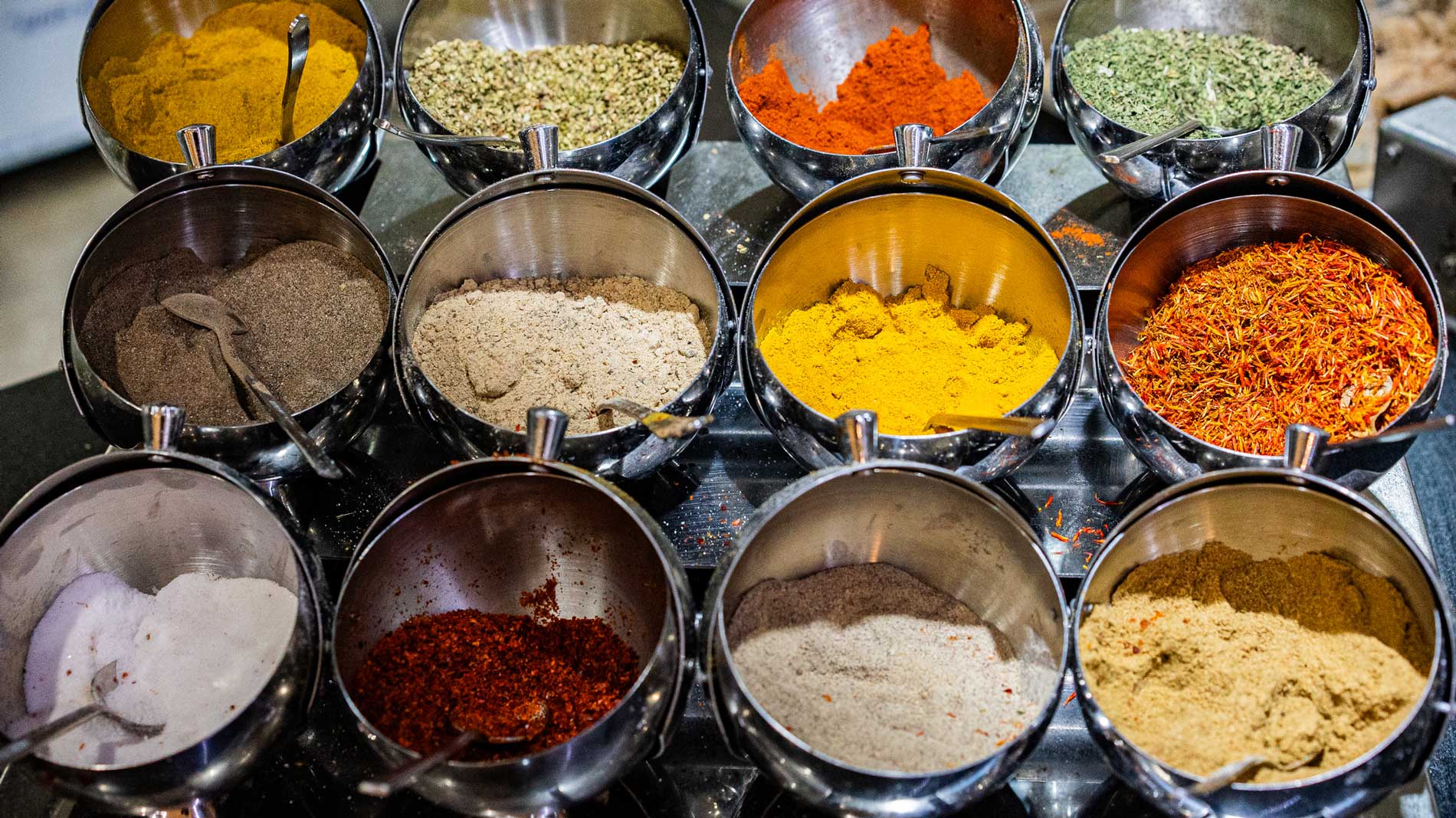
Good seasoning has a structure. First comes a top note that you can smell or taste immediately, such as garlic, onion, marjoram or thyme. Then comes the middle note, the actual main flavour, for example nutmeg, mace, coriander, cumin or ginger. Finally comes the heat: mild from pepper or allspice, strong from chilli, warm from ginger or rather cold from horseradish and mustard. At least one spice from each group should be represented, preferably two. It is usually wrong if one spice overpowers everything else.
How much do regional tastes differ?
Very strongly. When I worked in Bielefeld in 1971, I was surprised that nutmeg, ginger, coriander and cardamom were hardly used. Pepper dominated, and quite strongly. This suited the Korn schnapps that was drunk with it. In Austria, seasoning is often rounder and stronger, for example with paprika and garlic. When I gave my first seminars there in 1996, the participants said: “Mr Jakob, you season well, but we use one and a half to twice the amount.”
There are also major differences within Austria between Vorarlberg, Burgenland and Vienna; Munich and Hamburg are different worlds again. Historical influences also play a role. In Austria, for example, the Bohemian influence can be felt. Sausage is a sensitive cultural asset in which regional history can be traced.
What current or seasonal spice trends are you observing?
In Germany, seasoning is somewhat stronger today. Younger people in particular like more heat, while older people often prefer less. Curry is a good example. It is not a single spice, but a blend. Good curries combine heat with cumin and ginger; turmeric gives the yellow colour commonly found here. The key is still that the ingredients harmonise. Those who want more heat can also use chilli, pepper or curry.
For grilling, seasoning needs to be stronger because essential oils are lost at high temperatures. The preparation method also determines the amount of salt and spices. Fresh herbs also make a difference. A Weisswurst with fresh parsley and onions can be so well seasoned that it does not need mustard.
Is a better approach to meat the alternative to meat substitutes?
You have to create a synthesis. A balanced diet has always included both animal and plant-based foods. I do not believe in setting the two sides against each other. We can change meat products if we cannot immediately change people’s eating habits. Professor Friedrich-Karl Lücke once said: “If you cannot change people’s eating habits, you have to change the food.”
I have developed sausages in which part of the fat is replaced with vegetables – with vegetables rich in vitamins, fibre and, in some cases, protein. With dried vegetables, a Wiener sausage can contain a very high proportion of vegetables without tasting significantly different. This results in a product rich in protein and fibre, and the fat content can be reduced from 20 to 25 per cent to below five per cent.
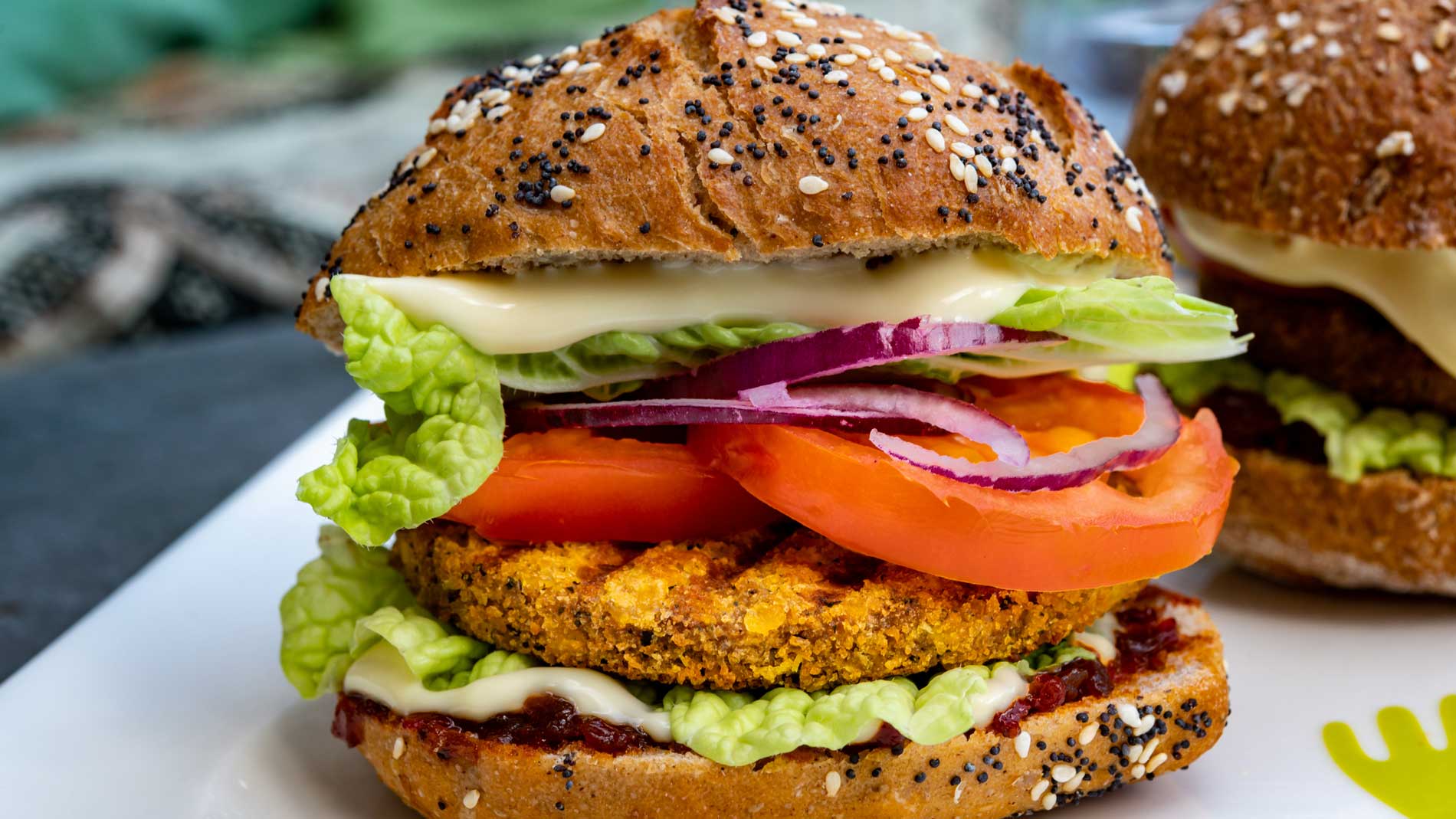
Are hybrid products a lasting market?
If butchers approach it intelligently, yes. They have machines, spices, processes and expertise with which they can produce hybrid, vegetarian and vegan products. A modern catering service today must be able to offer vegan, vegetarian, low-allergen, additive-free or organic products depending on the customer base. Anyone who ignores this demand gives away part of the business.
I find products made from meat and vegetables particularly interesting. In a burger, carrots, onions or spelt rice can replace part of the minced meat. A burger with 60 to 70 per cent meat can still taste strong, remain juicy and provide valuable fibre and secondary plant compounds. The vegetables are then not merely a filler, but an independent part of the food.
What experience have you had with purely plant-based products?
My first experiments were with soya. The binding properties were not satisfactory; in addition, soya is an allergen. After that, I experimented with seitan. The binding was better, but gluten is also an allergen. So we eventually worked with fava beans and peas, with good results.
Spreads and creams were the easiest at first. Products that are intended to be sliced cold and also prepared hot were more difficult. For cold firmness, hydrocolloids such as guar gum or locust bean gum can be used, as well as lentil or pea protein. Protein concentrates contain around 60 to 70 per cent protein, isolates more than 90 per cent. Some products could be sliced well when cold, but became soft again when heated. That is why I moved away from them.
Together with the Danish company Organic Plant Protein, we succeeded in producing vegan frying sausages and curry sausages as well as firm products that can be sliced and fried. Burgers or cevapcici are also possible.
“The crucial question for the future is: How do we use good raw materials, short ingredient lists and well-controlled technology to produce genuinely good food?”
Many products have long ingredient lists. Where does sensible technology end?
You have to distinguish between ingredients and additives. Ingredients are needed for every food; additives change or stabilise properties and can often be recognised by E numbers. A plant-based product can have a short list: fava bean, pea, sunflower, water, oil, spices and salt.
If, by contrast, I need methylcellulose and numerous other functional substances, the list becomes longer. My aim is to master the technology so well that I can manage without such substances as far as possible. One company I worked with in Denmark expressed the ambition very clearly: “No numbers, no nitrite, no sugar”. They were already producing large quantities of organic sausage according to this principle and then transferred it to vegan products.
Fewer ingredients, however, mean more raw material and more artisanal knowledge. In classic sausage, for example, I can dispense with phosphate if I use more meat, less water and slightly less fat. This results in a higher-quality product, but it is more expensive.
The decisive question for the future is therefore not only meat or plant?, but: How do we produce genuinely good food using good raw materials, short recipes and well-controlled technology?
Header image: AlexPro9500
People in the Butchery Trade

The people who work with meat and sell meat products are just as diverse as the tasks involved in the butchery trade.
Our global series profiles creative and skilled individuals, from traditional butchers to those who have switched careers.