
Reading time: 3 minutes
Publication at a glance
Type of publication: Industry scorecard and benchmarking report
Publisher: Humane World for Animals (formerly the Humane Society of the United States and Humane Society International)
Commissioning body: None specified
Geographical focus: United States
Year of publication: 2026
Target audience: Foodservice management companies, institutional foodservice providers, sustainability professionals and decision-makers in institutional catering and foodservice
What is the publication about?
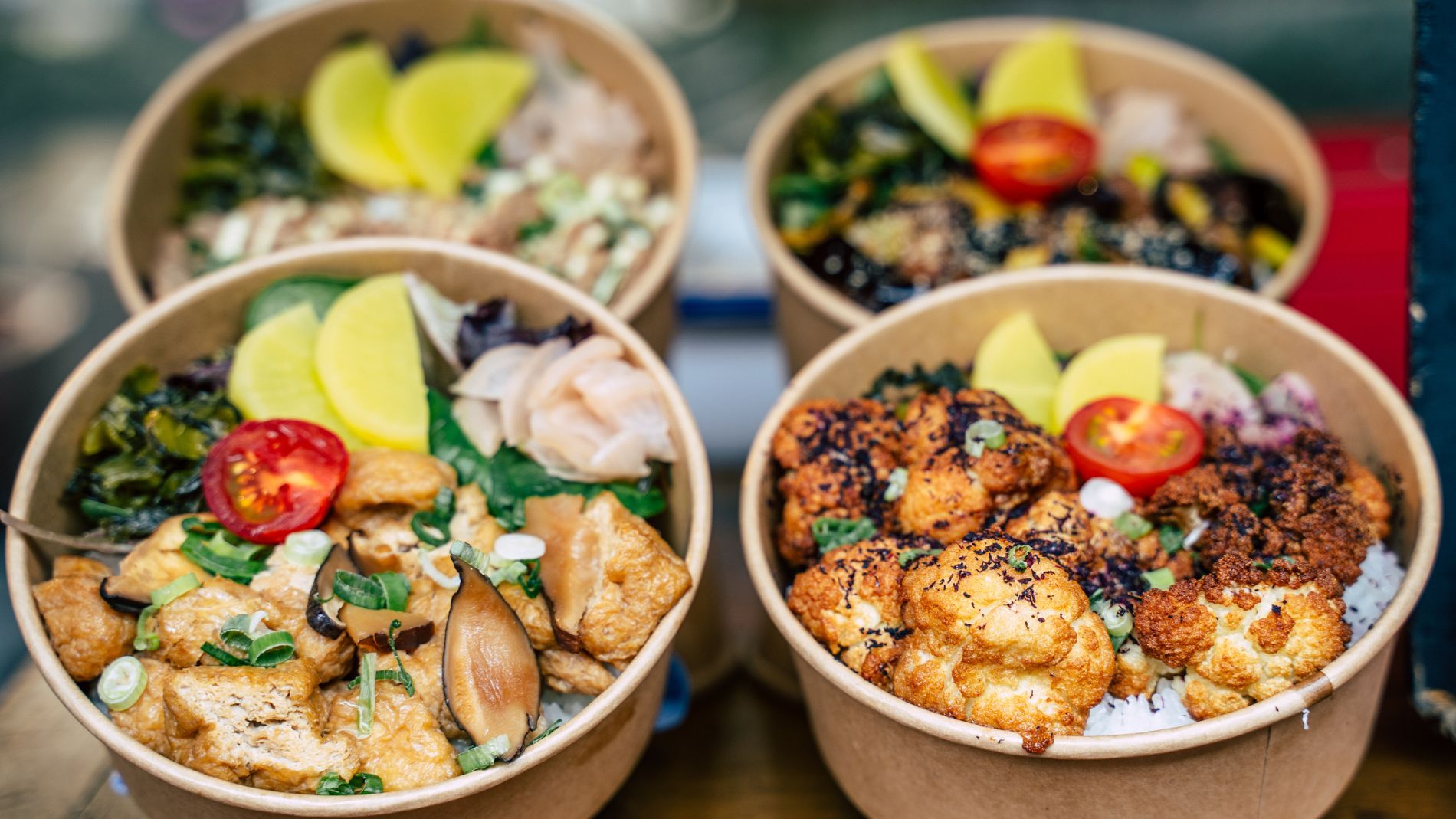
The publication examines how the 50 largest foodservice management companies in the United States implement sustainability targets relating to protein. Rather than assessing individual products, it focuses on the extent to which companies set measurable targets for plant-based offerings, document their progress and provide evidence of concrete implementation measures.
A central theme of the study is the distinction between stated sustainability ambitions and demonstrable results. Humane World for Animals assesses companies against three main criteria: menu transparency, the quality and strength of their targets, and concrete implementation measures.
Key findings
Significant differences between companies
One of the scorecard’s central findings is the wide variation in companies’ strategies and implementation. According to the report, 19 of the 50 companies assessed have specific targets for expanding their plant-based offerings, while only eight have also set targets for reducing the amount of animal protein they serve.
At the same time, the assessment shows that numerous companies either did not report any data or did not participate in the survey at all. The study therefore places particular emphasis on the transparency and traceability of sustainability commitments.
Progress is becoming increasingly measurable
Several companies achieved or exceeded their own targets. Guckenheimer reported that plant-based meals accounted for 56% of its offering in 2025, exceeding its target of 55%. Metz Culinary Management also achieved its target of 50% plant-based meals, while Elior North America met both its company-wide and segment-specific targets.
The publication therefore shows that sustainability targets relating to protein are increasingly tracked using specific metrics rather than remaining solely statements of intent.
From setting targets to implementation
The report places particular emphasis on how companies translate their targets into day-to-day operations. Its assessment covers internal standards, training, the development of new recipes, marketing activities and what it calls “glidepaths” – incremental annual targets for implementing long-term strategies.
The study therefore focuses less on the target figures themselves and more on the processes behind them. It shows which tools companies use to manage changes in procurement, menu design and communication systematically.
Transparency as a key assessment criterion
Another area of focus is the quality of reporting. Companies that do not provide data or cannot substantiate their information lose significant points in the scoring system. The authors argue that robust evidence is necessary to make progress traceable and avoid accusations of greenwashing.
The scorecard therefore serves not only as a tool for assessing measures, but also for evaluating corporate disclosure.
Why is the publication worth reading?
The study provides insights into how major US foodservice companies operationalise and measure sustainability targets relating to protein. It shows which metrics are used, how companies document progress and what role transparency, target-setting systems and implementation plans play in institutional catering.
At the same time, the report provides an overview of the strategies pursued by leading providers and highlights where substantial gaps between ambition and implementation remain across the sector. For readers seeking to track the development of protein strategies in institutional foodservice, the publication offers numerous starting points for a more detailed examination of the original report.
Read the full report here:
* Transparency Notice: The publications featured on Foodtech Now! are selected and curated by the editorial team based on their relevance to the international protein industry. The analysis of the original publication and the preparation of this article were carried out with the support of artificial intelligence. This article is intended as an overview and does not replace reading the full original publication. The original source remains the authoritative reference for all content and statements.
Header image: Humane World for Animals | Valentina Cordero: Food Service Industry. Protein Sustainability Scorecard, April 2026