
Reading time: 4 minutes
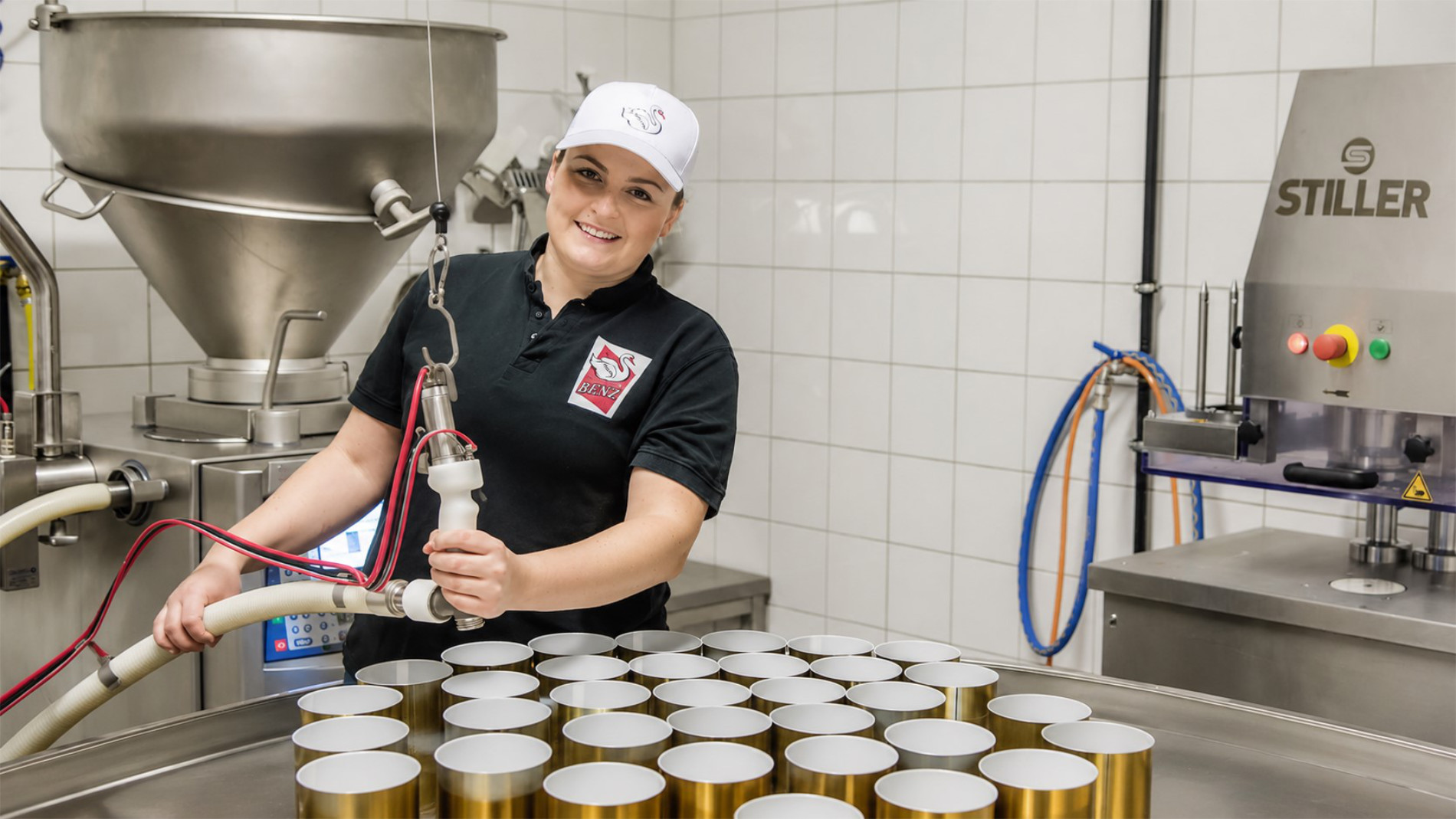
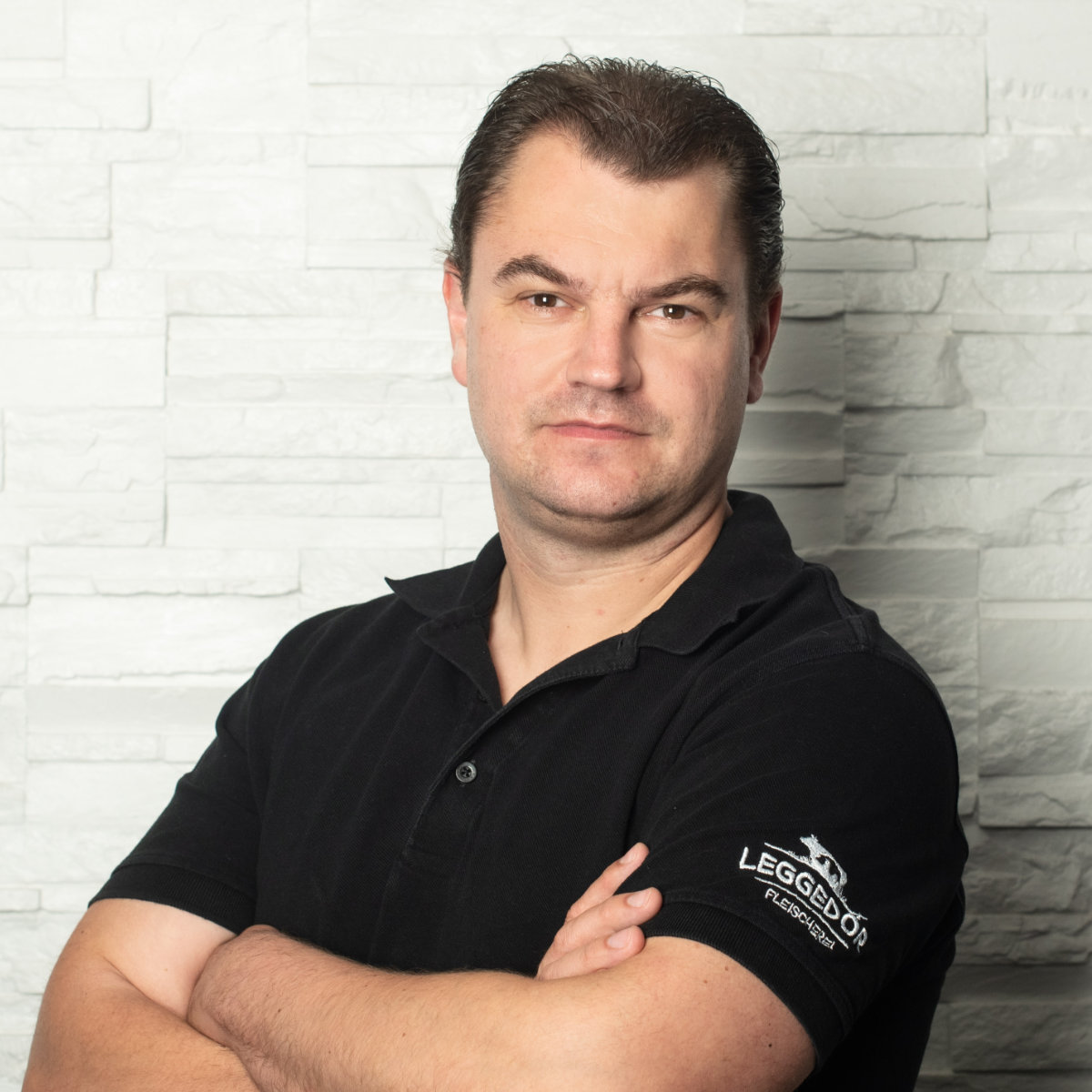
In 2018, when Gina Benz from the town of Köngen, a community of 10,000 in Stuttgart’s affluent suburbs, founded her own start-up under the name ‘Feinkostmanufaktur’ (artisan fine food company), she had no idea it would grow into a thriving artisan business with three business divisions and a team of 30 employees.
Now 32, Benz had always wanted to channel her energy into building her own company rather than working for someone else. After completing her A-levels and earning a Bachelor's degree in Food Management from Baden-Württemberg Cooperative State University in Heilbronn, she decided to join her family's butcher's business. It did not take long for her to realise she had made the right decision: "At university, I gained an understanding of the full spectrum of food products, but it was largely theoretical and offered very little practical experience."
She learned the practical skills of mincing, boning and sausage making during an apprenticeship as a butcher under the guidance of her father, Daniel Benz. Graduating top of her class, she went on to complete her Master Butcher qualification at the Butchers' Training Centre in Augsburg in spring 2019. The qualification was an essential prerequisite for establishing her own business.
From Start-up to In-house Production
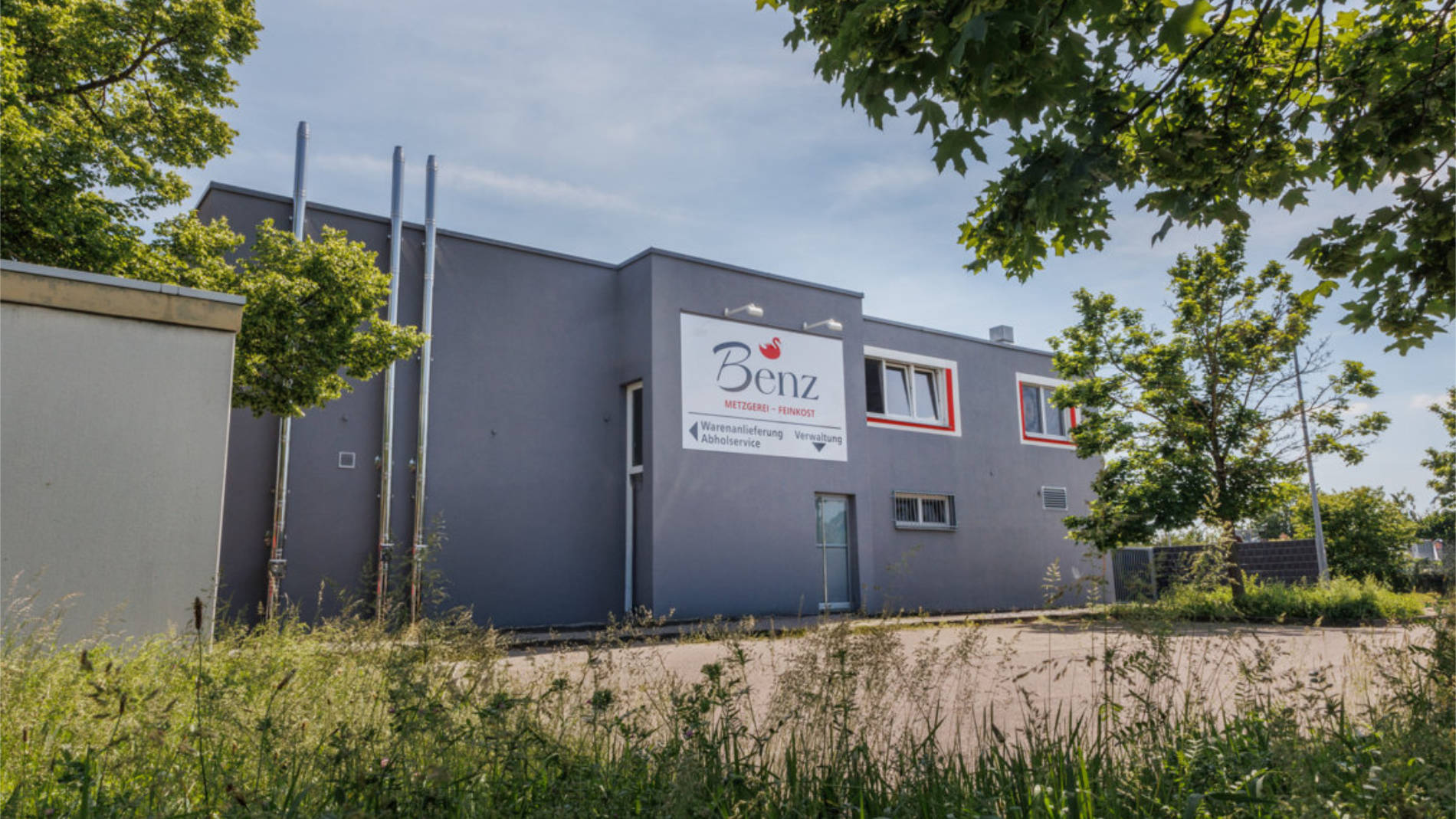
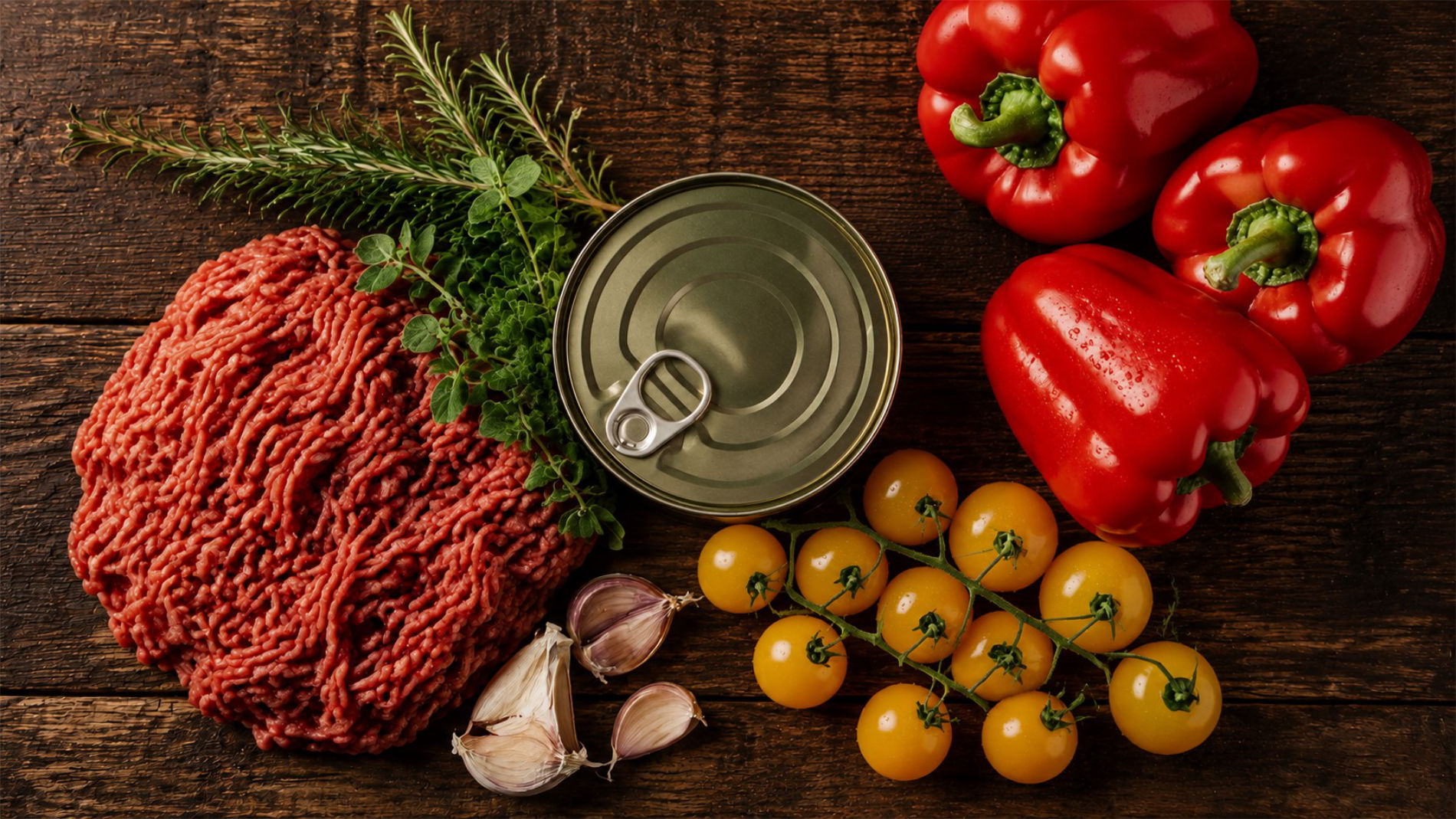
In the early years of the business, Benz focused on producing ready meals in cans alongside traditional Swabian favourites as fresh convenience products. The artisan fine food company’s product range included beef roulades, marinated pot roast (Sauerbraten), tripe in sour sauce, kidneys, sliced turkey and pork in creamy sauces, Bolognese sauce, soups and sauces packed in sterile casings, as well as homemade bread dumplings, potato, spinach and liver dumplings in convenient packaging. Alongside canned products, Benz also built up a party service and catering business.
The turning point came in 2021 with the COVID-19 pandemic. "For a business like ours, with several business divisions, it was both a blessing and a curse," the young entrepreneur recalls. While the party service business came to a complete standstill, demand for the canned product range soared. "Many new customers discovered our products, and we established a strong position in the market."
The pandemic also brought major changes in Benz's personal life. Together with her partner, Max Wörner, also a master butcher who runs two butcher's shops near Herrenberg, she began planning their entrepreneurial future. As demand for their canned products continued to grow, the couple expanded their production facilities by adding a completely new sausage production unit.
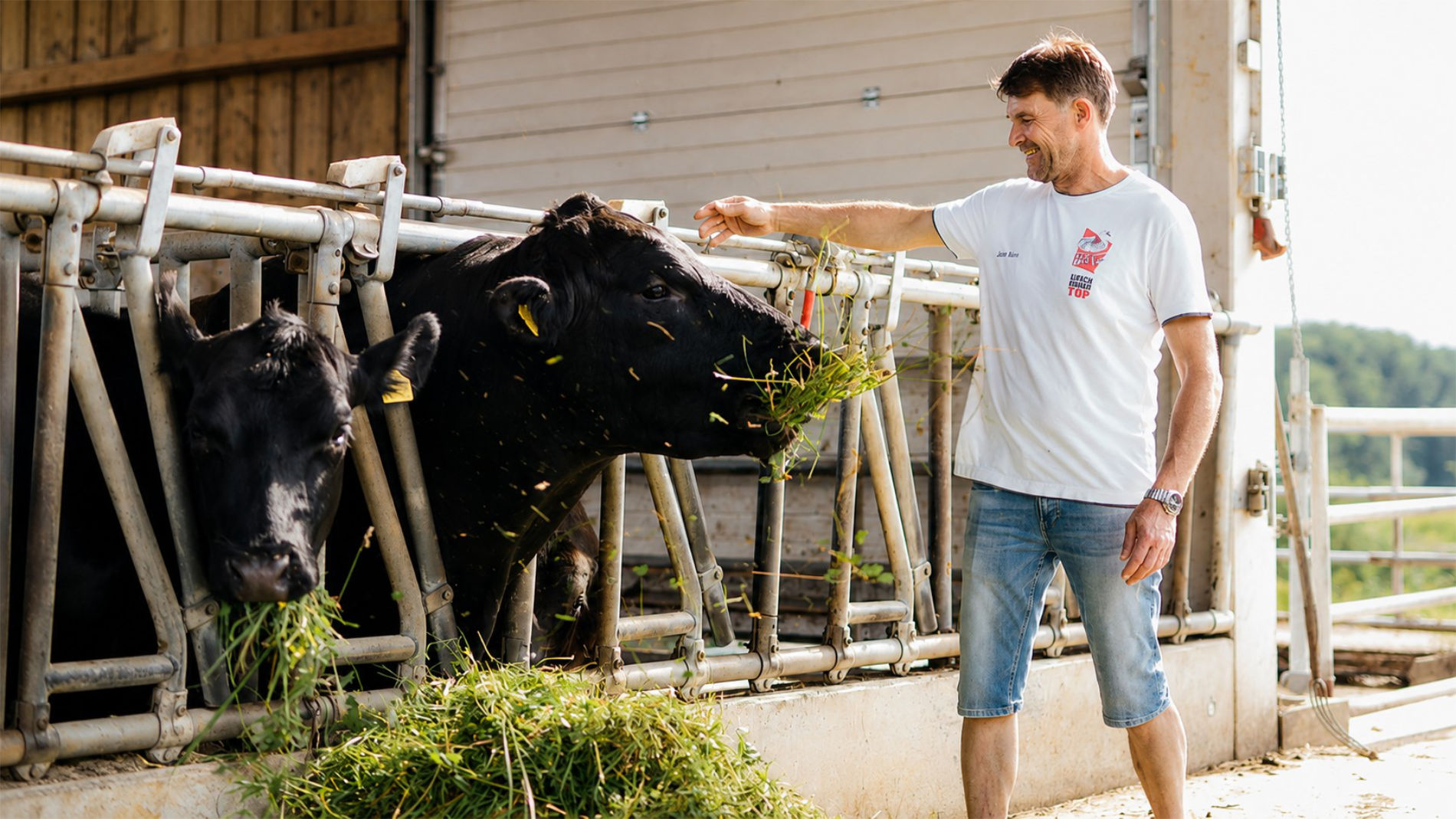
The new facility is located on the industrial estate in Köngen, where its direct motorway access offers clear logistical advantages. Today, it produces the canned specialities as well as the traditional meat and sausage products supplied to Wörner's two butcher's shops and the original Benz family shop in Köngen.
In 2024, Gina Benz acquired her parents' business from Daniel and Monika Benz. Explaining the decision, she says: "To reduce costs and make better use of synergies, we merged the butcher's shop with my successful start-up to form a single company: Benz Metzgerei und Feinkost GmbH." As Managing Director, she oversees the business together with three members of the office team. Her father, Daniel Benz, and Max Wörner both hold authorised signatory status.
Growth driven by Decisive Choices
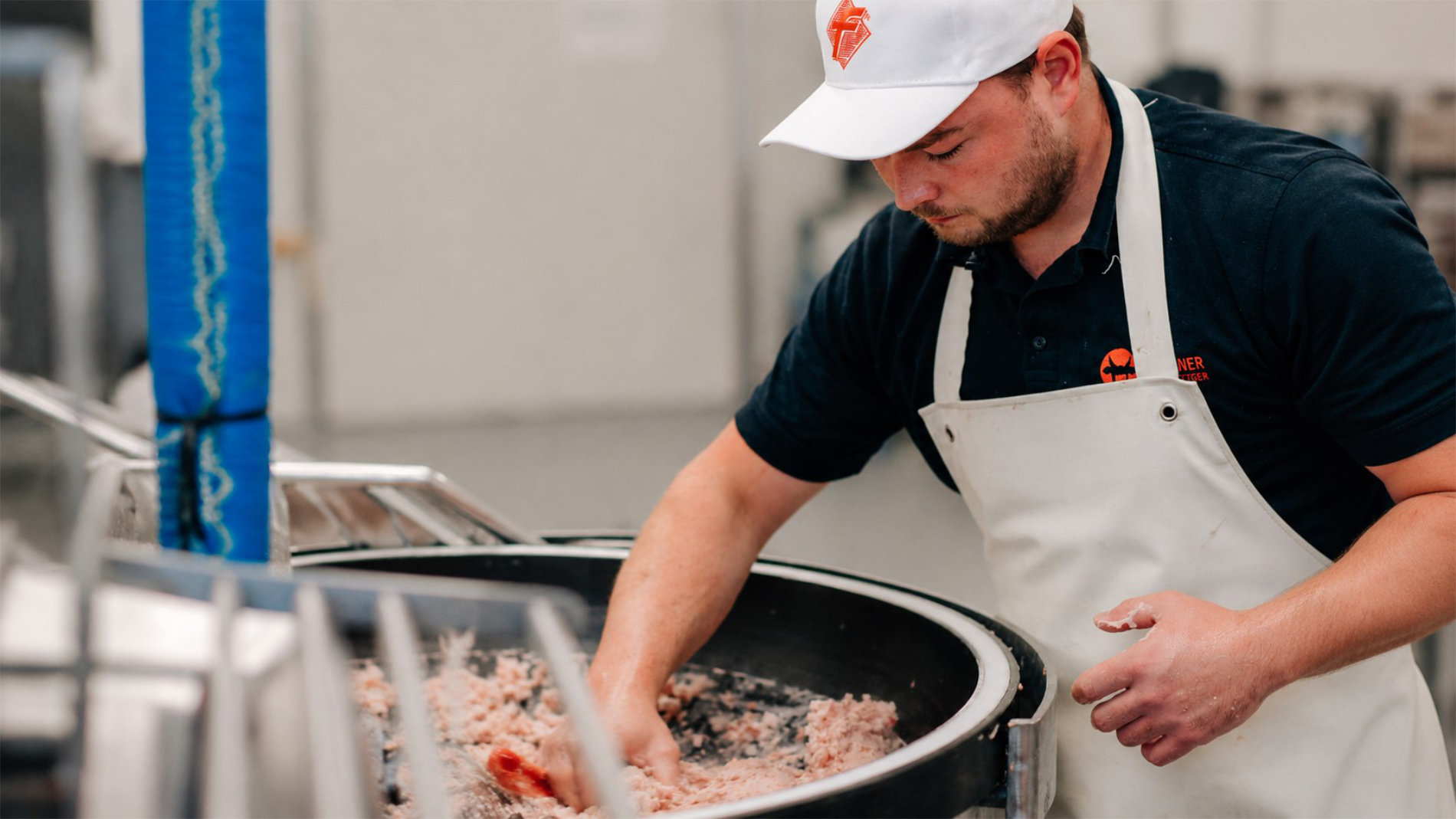
Despite being on the “home straight” towards retirement, Daniel Benz continues to support his daughter with staff management, quality control and the day-to-day administration. Her partner, Max Wörner, works in the shop every Saturday and joins the production team each day alongside three fellow master butchers, one skilled butcher and three apprentices. The average age of the employees in the sausage production team is just 31. "That's remarkably young," says Gina Benz.
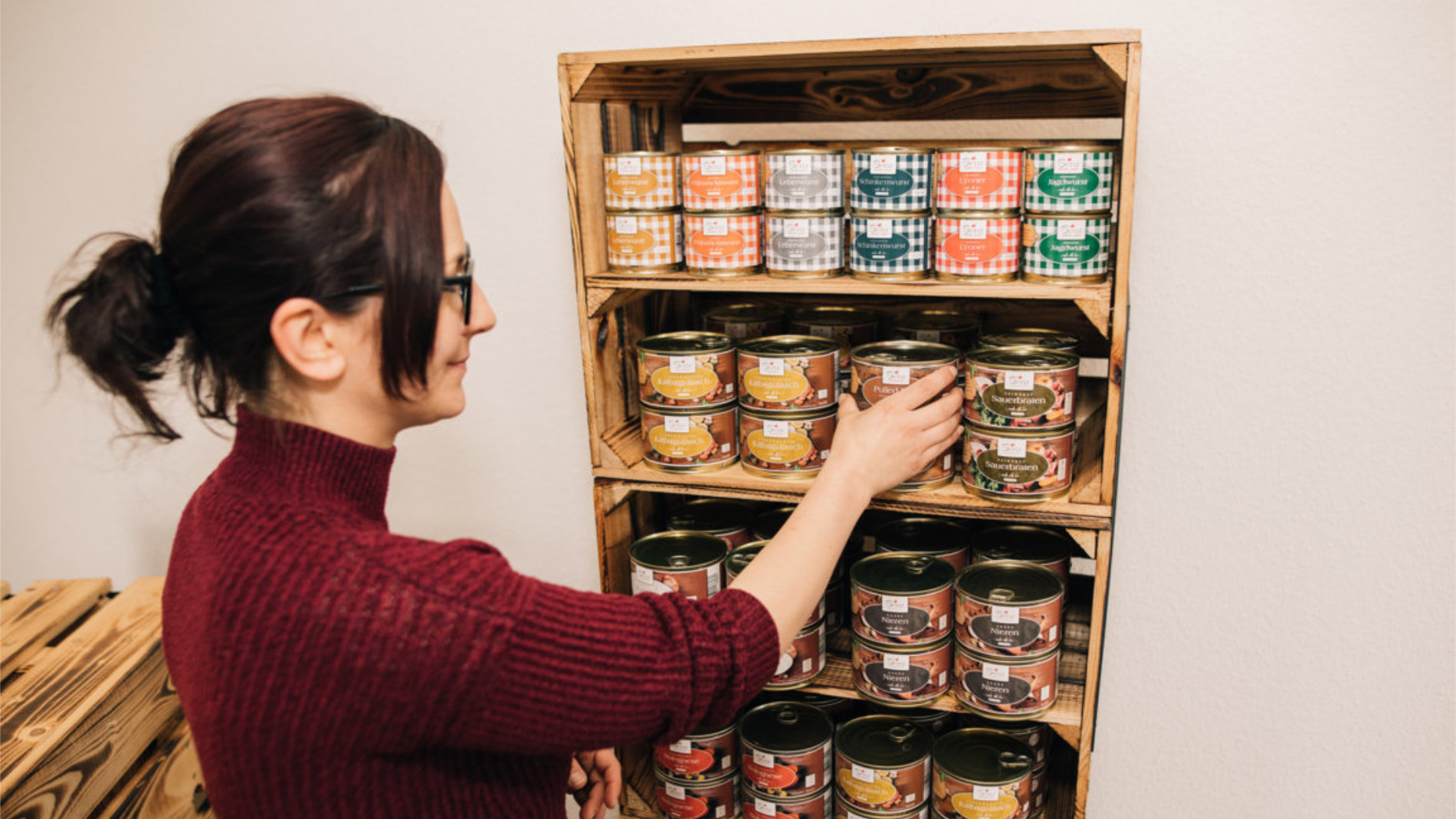
There is no shortage of work. Looking back with pride, Benz explains: "When my artisan fine food company was still in its infancy, I supplied only a handful of local retailers. Today, our products are centrally listed by Edeka and REWE across south-west Germany, and we are currently establishing ourselves with Kaufland."
To improve efficiency and create the production capacity needed for further growth, she streamlined the product range considerably. Slow-selling ready meals were discontinued, as were the vegetarian products, which failed to gain traction, and items with margins that were simply too low. Instead, she expanded the highly successful range of canned sausages to almost 20 varieties, available in sizes from 125 to 390 grams.
Working with major retail chains has brought significant advantages. "I no longer have to spend my time knocking on doors to win new customers," says Benz. Today, she employs a field sales team that acquires new retail partners and supports existing listings in stores. The company's stronger purchasing power has also improved its position when sourcing meat, spices, casings and packaging. "We now buy in volumes that allow us to negotiate much better prices." For example, the regional turkey meat she uses is now sourced directly from the slaughterhouse rather than through the more expensive wholesale trade.
Benz believes that many small businesses fail to take advantage of opportunities for collaboration, even when clear synergies exist. One example is supplying fellow butcher's shops, an area she would like to expand. "It only works to a certain extent because people in Swabia are rather set in their ways. Everyone believes they make the best sausage themselves." Yet producing canned products requires expensive investments in equipment such as autoclaves and can-seaming machines. In her view, many businesses would benefit from sourcing specialist products such as canned goods instead of producing them in-house, but this advice often falls on deaf ears.
The road ahead
The question of company size remains a regular topic of discussion between Benz and Wörner. They often consider whether returning to the scale of a traditional family business or pursuing further growth is the right long-term strategy. An important factor is their shared ambition to work a Monday-to-Friday week – a wish echoed by many of their employees. The couple would also like to spend weekends with their three-year-old daughter.
"The more we develop into a specialised producer of canned foods, the closer we come to achieving that goal," says Benz. She points out that Saturdays have long since ceased to be the busiest trading day for the butcher's shop. The party service business, already highly seasonal, has also been scaled back. The company still accepts bookings for Saturday celebrations, while Sunday catering is now limited to events with at least 50 guests.
Header image: Generated by AI
People in the Butchery Trade

The people who work with meat and sell meat products are just as diverse as the tasks involved in the butchery trade.
Our global series profiles creative and skilled individuals, from traditional butchers to those who have switched careers.